

Whole grains may improve several heart risk factors at once

Light exposure at night may raise risk for heart disease

Children of centenarians may stay healthier and live longer too, study finds

A lumbar belt may help ease low back pain

Signs of pneumonia: Sometimes vague and unexpected

The surprising link between ovarian cancer and the fallopian tubes

Using a vibration plate: What it can — and can't — do for your body

People who walk more or walk faster live longer, study finds

Rosacea treatments: What works?

For sleep apnea, a dental device may be as effective as CPAP
Mental Health Archive
Articles
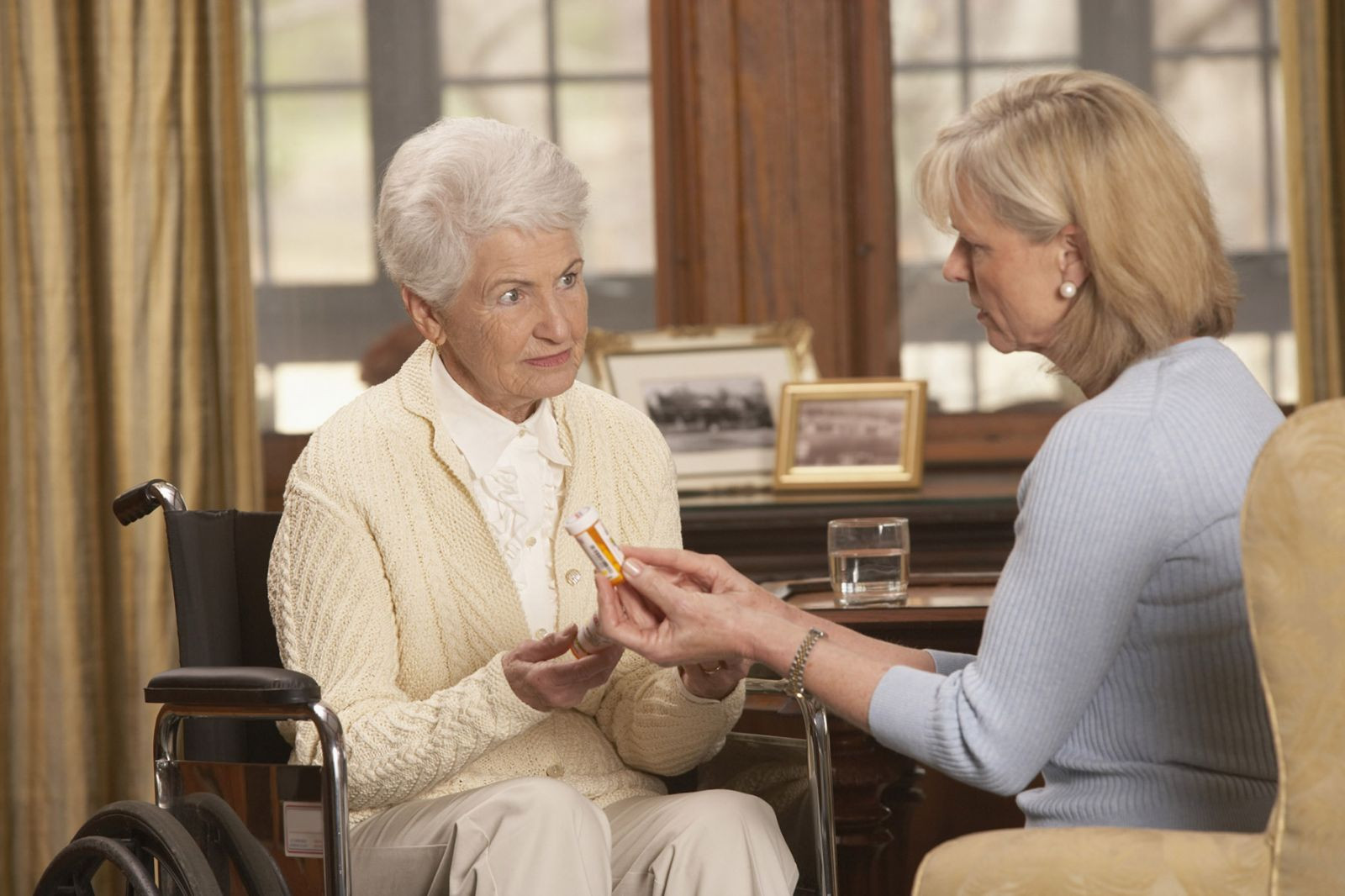
Prescription pain pills: Worth the risks?
Thorough risk assessment and family assistance may help you take them more safely.
Prescription pain pills such as oxycodone (Oxycontin) and hydrocodone (Vicodin) are in a class of drugs known as opioids. They're typically used to treat severe pain after surgery, and sometimes to treat chronic pain. But these drugs come with many risks, including addiction. Does that put you at risk if you take opioids? "You have to look at it on a case-by-case basis," says Dr. Hilary Connery, an addiction psychiatrist at Harvard-affiliated McLean Hospital.
Risks and benefits
Opioids are powerful painkillers that block messages of pain to the brain and decrease the body's perception of discomfort. They may also create a feeling of euphoria. Opioids are especially useful in the short term, such as the initial weeks following joint replacement. Common side effects include nausea, itching, drowsiness, or constipation.
Why conquering stress can help your heart
Learning to deal with stress can lower your risk for anxiety, depression, and cardiovascular disease.
The more we learn about women's hearts, the more we realize that they are different from men's. One of the most dramatic differences is a rare heart condition called takotsubo cardiomyopathy, or broken-heart syndrome, that is nine times more common in women than in men. It has been cited as evidence that sudden emotional stress can actually cause death in some women.
Like a heart attack, takotsubo cardiomyopathy strikes suddenly with symptoms such as chest pain and shortness of breath; however, it does not involve clogged arteries. Takotsubo cardiomyopathy is brought on by a surge of stress hormones that literally bend the heart out of shape. As a result, when the main pumping chamber of the heart (the left ventricle) contracts, it balloons out, so it can't eject blood into the arteries effectively.
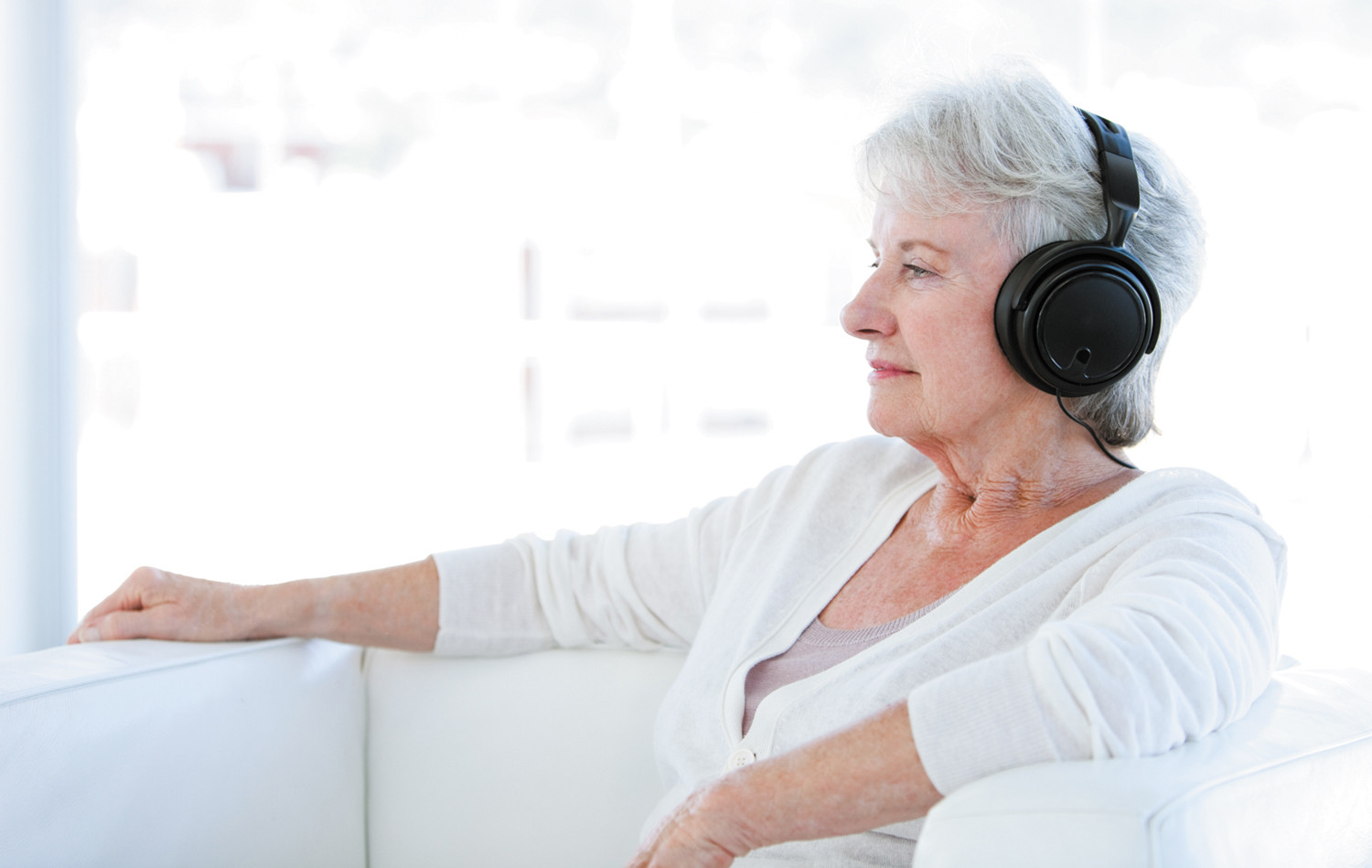
How music can help you heal
Music therapy can calm anxiety, ease pain, and provide a pleasant diversion during chemotherapy or a hospital stay.
It's almost impossible to find someone who doesn't feel a strong connection to music. Even if you can't carry a tune or play an instrument, you can probably reel off a list of songs that evoke happy memories and raise your spirits. Surgeons have long played their favorite music to relieve stress in the operating room, and extending music to patients has been linked to improved surgical outcomes. In the past few decades, music therapy has played an increasing role in all facets of healing.
What is music therapy?
Music therapy is a burgeoning field. People who become certified music therapists are usually accomplished musicians who have deep knowledge of how music can evoke emotional responses to relax or stimulate people or help them heal. They combine this knowledge with their familiarity with a wide variety of musical styles to find the specific kind that can get you through a challenging physical rehab session or guide you into meditation. And they can find that music in your favorite genre, be it electropop or grand opera.

Happiness may not extend life
Although poor health can lead to unhappiness and a shorter life, unhappiness alone is not associated with a shorter life span, according to a recent report from the Million Woman Study. That investigation has followed hundreds of thousands of women throughout the United Kingdom beginning in 1996 and has tracked deaths among the participants.
In the third year of the study, the women were asked to rate their health, happiness, stress, feelings of control, and whether they felt relaxed. When the researchers looked at data from 720,000 women with a median age of 59, they found that 83% reported being generally happy and 17% said they were unhappy. During 10 years of follow-up, 4% of participants died. When the researchers factored out poor health, which was strongly associated with unhappiness, they found that the risk of dying was essentially the same for happy and unhappy women. The study was published online Dec. 6, 2015, by The Lancet.



New depression screening guidelines outline very helpful, yet achievable goals
The U.S. Preventive Services Task Force recently updated their guidelines on screening for depression. This time around, they recommended widespread screening through primary care practices, plus gave special attention to women who are pregnant or recently gave birth. These matter-of-fact, achievable guidelines and goals have the potential to reap enormous health benefits.
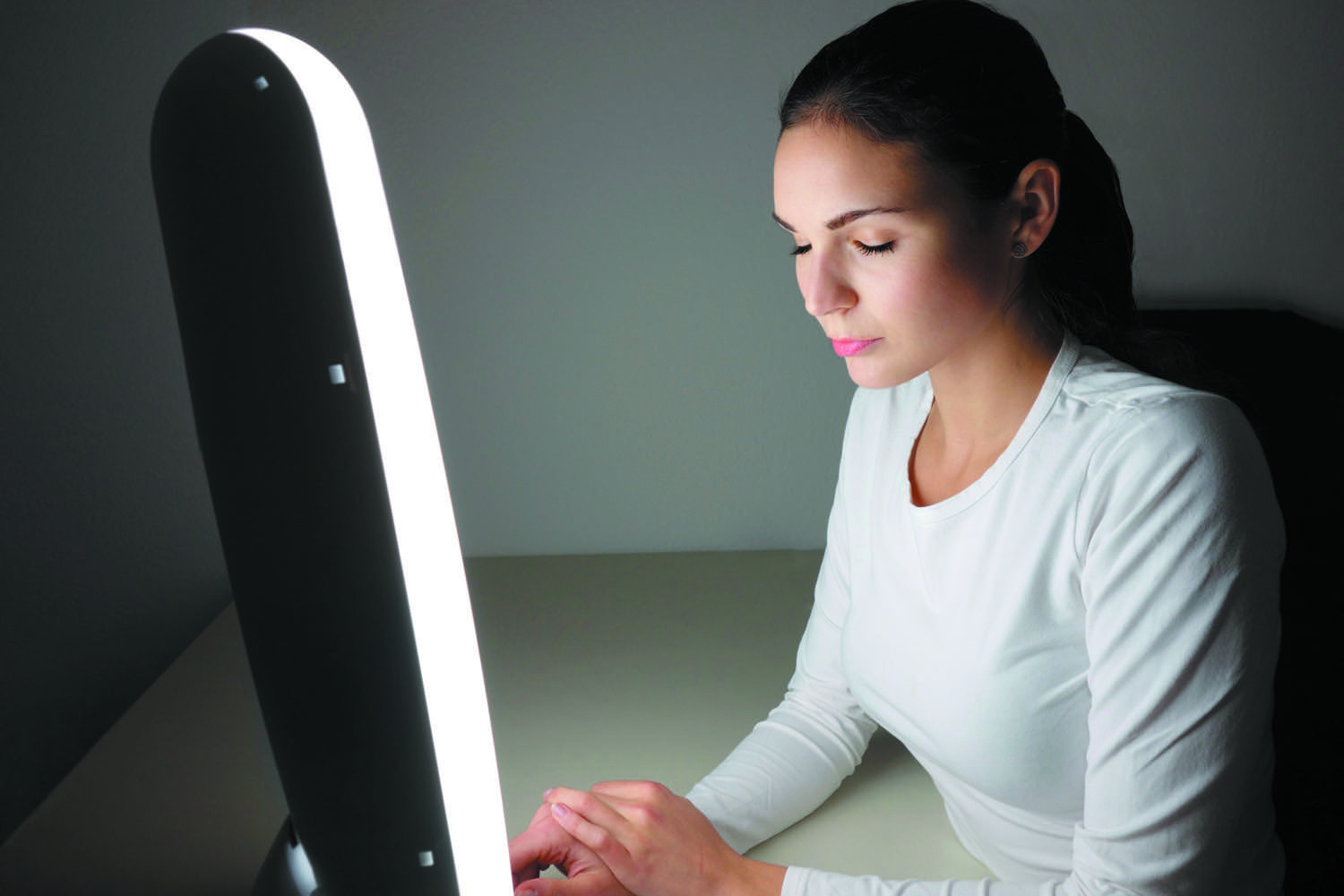
Bright light helps depression
Light therapy, either alone or in combination with an antidepressant, can alleviate major depression.

Why are doctors writing opioid prescriptions — even after an overdose?
A recent study of nearly 3,000 patients who had an overdose during long-term opioid treatment found that more than 90% of these patients continued to receive opioids — even after their overdose. Poor communication between emergency rooms and prescribing doctors is likely the culprit. What’s more, doctors receive little training in recognizing patients at high risk for overdose, or in treating addiction when they do spot it. An important strategy to address the current opioid crisis is to improve how doctors are educated about opioids.
Whole grains may improve several heart risk factors at once
Light exposure at night may raise risk for heart disease
Children of centenarians may stay healthier and live longer too, study finds
A lumbar belt may help ease low back pain
Signs of pneumonia: Sometimes vague and unexpected
The surprising link between ovarian cancer and the fallopian tubes
Using a vibration plate: What it can — and can't — do for your body
People who walk more or walk faster live longer, study finds
Rosacea treatments: What works?
For sleep apnea, a dental device may be as effective as CPAP
Free Healthbeat Signup
Get the latest in health news delivered to your inbox!
Sign Up
