

Whole grains may improve several heart risk factors at once

Light exposure at night may raise risk for heart disease

Children of centenarians may stay healthier and live longer too, study finds

A lumbar belt may help ease low back pain

Signs of pneumonia: Sometimes vague and unexpected

The surprising link between ovarian cancer and the fallopian tubes

Using a vibration plate: What it can — and can't — do for your body

People who walk more or walk faster live longer, study finds

Rosacea treatments: What works?

For sleep apnea, a dental device may be as effective as CPAP
Mental Health Archive
Articles

The latest dangerous “addiction” parents need to worry about: Mobile devices
If you’ve looked up from your phone recently — or even if you haven’t! — you may have noticed that many children and teens are glued to their devices. While experts aren’t quite ready to call this an “addiction,” a new survey of parents and teens confirms that many of them suspect they’re too dependent on their devices. We’ve discussed the potential implications of this, plus suggested some “ground rules” for when to ignore those devices.

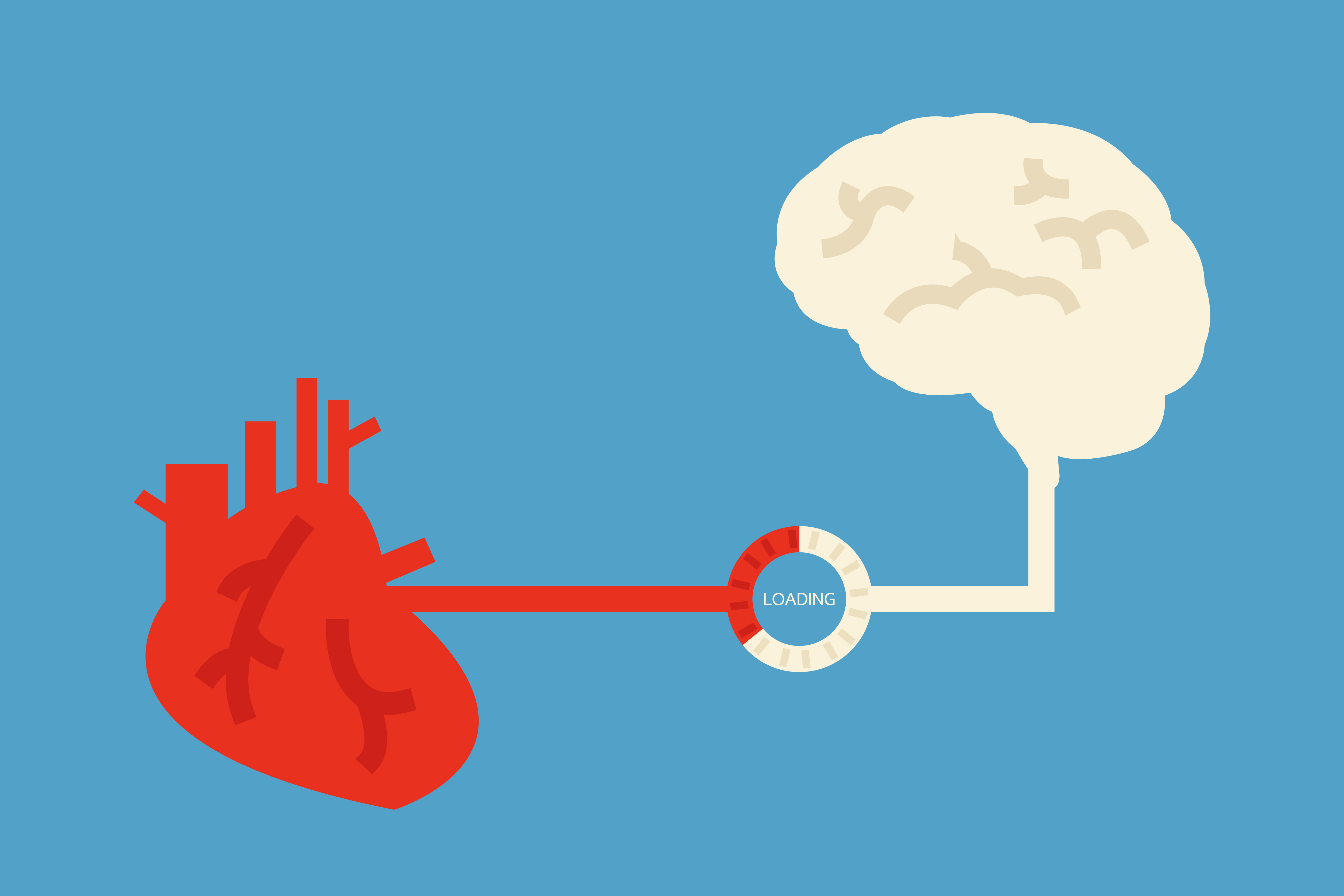
Cardiac rehab: Even better with stress reduction
Cardiac rehabilitation—a supervised program to help people recover after a heart attack or heart surgery—may be more helpful if it includes stress reduction training, according to a study published online March 21 in the journal Circulation.
Researchers compared three groups of heart patients: people who did cardiac rehab for 12 weeks, those who did cardiac rehab plus stress reduction, and those who chose not to participate in cardiac rehab. The stress reduction group engaged in weekly, 1.5 hour-long sessions that included small group discussions and training in stress reduction, coping skills, and relaxation techniques.

Lend a hand, help your heart?
People who do volunteer work may reap benefits beyond the satisfaction of helping others.
Doing volunteer work may give you a greater sense of purpose in life—a positive emotion that’s been linked to a lower risk of heart disease.
Image: monkeybusinessimages/Thinkstock
If you volunteer on a regular basis, perhaps you've experienced the emotional rewards of donating your time. What you might not realize, however, is that volunteering may offer some added advantages for your heart.
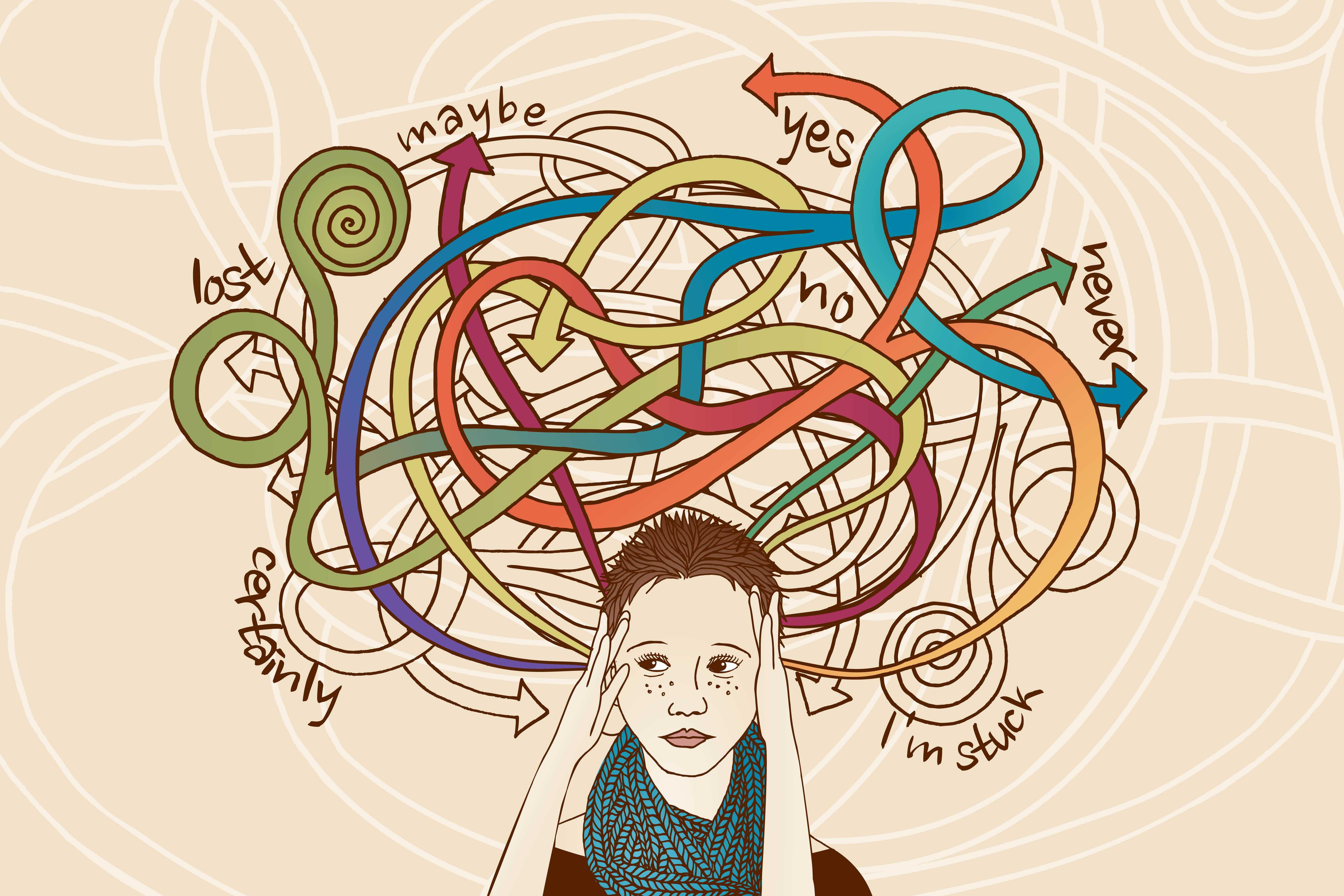
More than sad: Depression affects your ability to think
We often think of depression as making someone feel “down,” but it can sometimes show up as cognitive symptoms — for example, trouble with adapting to new information or thinking through a solution to a problem. Researchers recently determined that several common depression medications are not effective at relieving cognitive symptoms. But there are several things people with depression can try to help return themselves to their usual level of cognitive functioning.


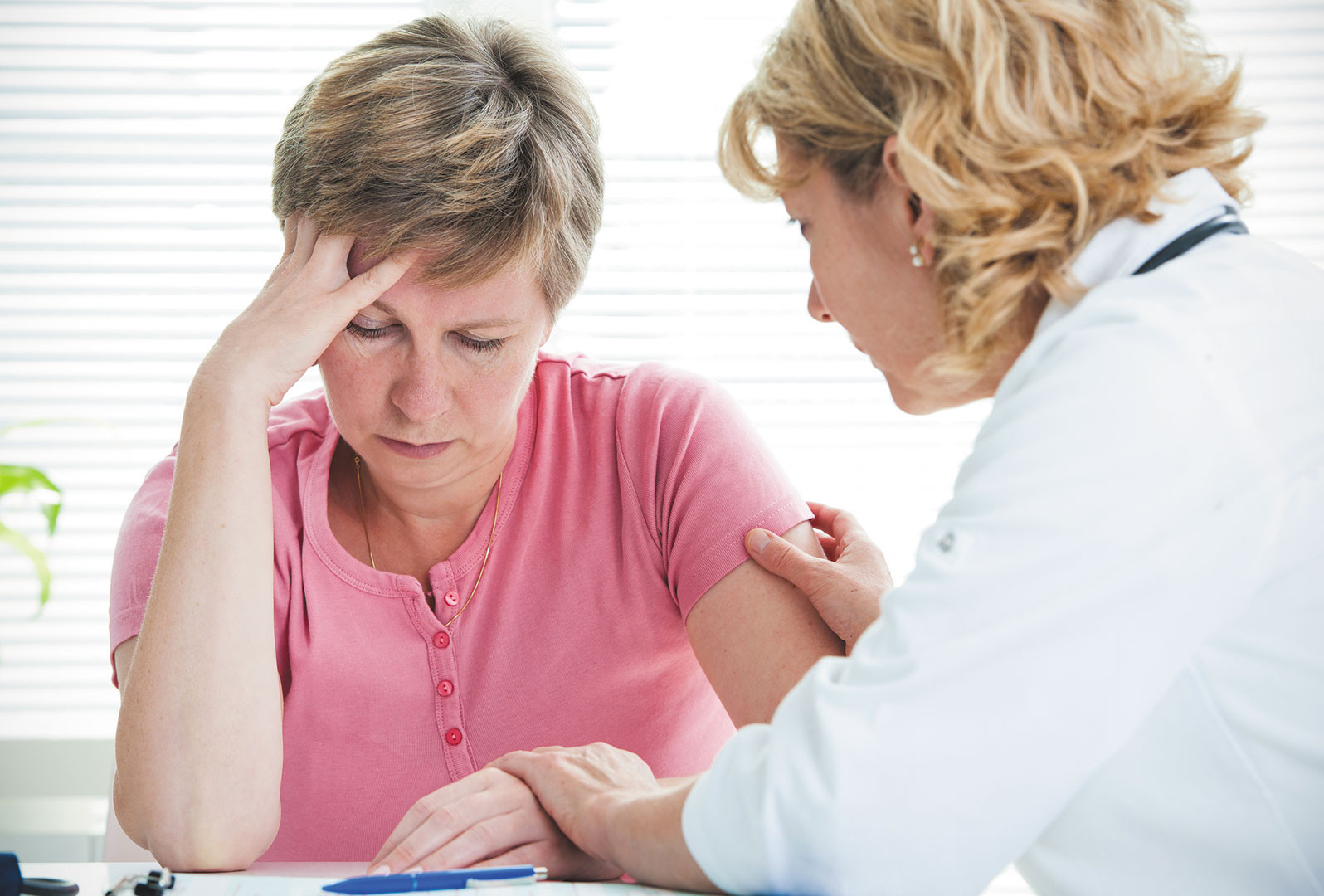
Do you need a depression screening?
News Briefs
Don't be surprised if your doctor screens you for depression at your next visit. An update to the U.S. Preventive Services Task Force recommendations for screenings, published Jan. 26, 2016, in The Journal of the American Medical Association, suggests that all adults 18 or older, including older adults, should be screened for depression when there are systems in place to ensure accurate diagnosis, effective treatment, and appropriate follow-up. The previous recommendations encouraged selective screening based on professional judgment and patient preferences. The new recommendation also includes pregnant and postpartum women for the first time. "Older adults often struggle with chronic disease, or the loss of a loved one, which may lead to depression," says Dr. Michael Craig Miller, an assistant professor of psychiatry at Harvard Medical School. "Screening is just a way to open the door for people who might otherwise not get the help they need." Dr. Miller says screening can simply be asking if, over a two-week period, you have either had little interest or pleasure in doing things or felt depressed and hopeless.

Caregivers: Heavier load may take a bigger toll on health
Image: Attila Barabas/Thinkstock
News Briefs
Caring for an elderly family member with disability, dementia, or both is a tough job. And those with the heaviest responsibilities suffer the most consequences, finds a study published Feb. 15, 2016, in JAMA Internal Medicine.
Researchers looked at information from two large national surveys of older adults and their family caregivers. They noted that about 15 million family caregivers are assisting almost eight million adults 65 or older, and 44% of caregivers are providing substantial care—about 28 hours per week—by helping with medication management, doctor visits, and transportation. Researchers found that people providing substantial care are more likely to live with the person they care for and are more likely to experience significant emotional, physical, and financial difficulty compared with caregivers who don't provide substantial help. Researchers also said people providing substantial care are more than five times as likely to miss out on activities they value and three times as likely to be less productive at work, compared with those who don't have such a heavy caregiving load.

5 key questions to help you develop a caregiving plan
If you're taking on the role of caregiver for the first time, you probably have many questions: What exactly will it entail? Where can you find help? How do you even start?
When faced with this kind of uncertainty, the best thing you can do for your loved one — and yourself — is to make a caregiving plan. Of course, your loved one's needs may change over time, and you can never plan for every last detail or eventuality. But if you begin by covering the basics, you will have an important foundation to build on later.
Whole grains may improve several heart risk factors at once
Light exposure at night may raise risk for heart disease
Children of centenarians may stay healthier and live longer too, study finds
A lumbar belt may help ease low back pain
Signs of pneumonia: Sometimes vague and unexpected
The surprising link between ovarian cancer and the fallopian tubes
Using a vibration plate: What it can — and can't — do for your body
People who walk more or walk faster live longer, study finds
Rosacea treatments: What works?
For sleep apnea, a dental device may be as effective as CPAP
Free Healthbeat Signup
Get the latest in health news delivered to your inbox!
Sign Up
