

Whole grains may improve several heart risk factors at once

Light exposure at night may raise risk for heart disease

Children of centenarians may stay healthier and live longer too, study finds

A lumbar belt may help ease low back pain

Signs of pneumonia: Sometimes vague and unexpected

The surprising link between ovarian cancer and the fallopian tubes

Using a vibration plate: What it can — and can't — do for your body

People who walk more or walk faster live longer, study finds

Rosacea treatments: What works?

For sleep apnea, a dental device may be as effective as CPAP
Mental Health Archive
Articles


At what age is alcohol use unsafe?
When older adults drink alcohol, they may be increasing their risk of falls. Otherwise, drinking alcohol in the older years poses the same risks as it does in the younger years.

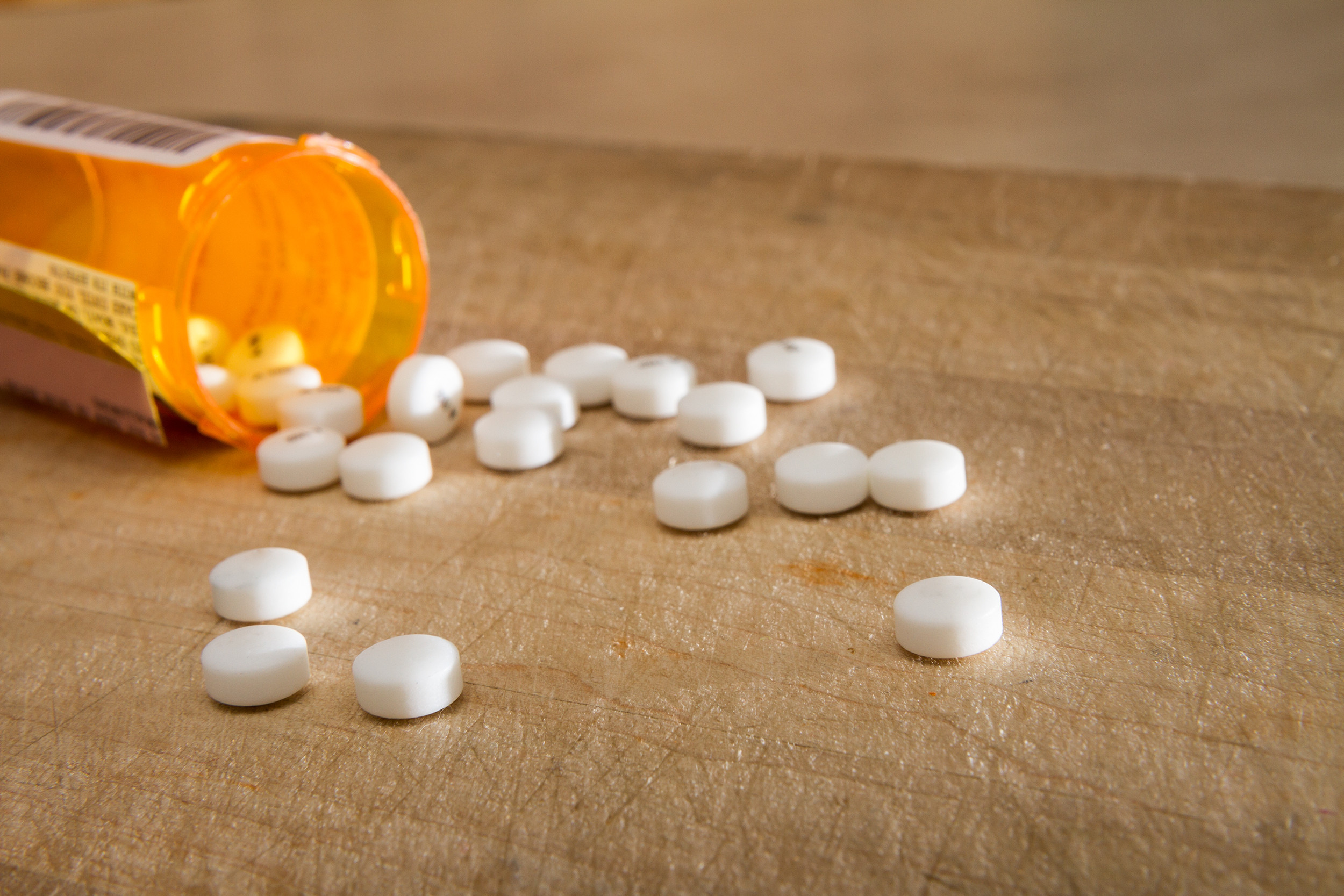
Fentanyl: The dangers of this potent “man-made” opioid
Fentanyl is a powerful synthetic opioid. It is far more potent — and potentially more dangerous — than heroin and morphine. Overdose deaths related to fentanyl are on the rise. The drug is cheaper than heroin and recently is being used to dilute heroin or substitute for it. Users may be unaware that they are taking this potent drug, or may even seek its intense high. People at risk from using fentanyl can be treated successfully with therapies used for other opioid use disorders, but taking steps to prevent overdose are critical until a person is ready to seek care.

E-cigarettes: Good news, bad news
While e-cigarettes do not produce the tar or toxic gases found in cigarette smoke, this doesn’t make them a healthy option. The e-liquid found in e-cigarettes still contains highly addictive nicotine that also increases your risk of insulin resistance and type 2 diabetes. Nicotine also increases the risk of addiction to other drugs and may impair brain development. Rather than rely on the perceived benefits of e-cigarettes, people should avoid smoking altogether.
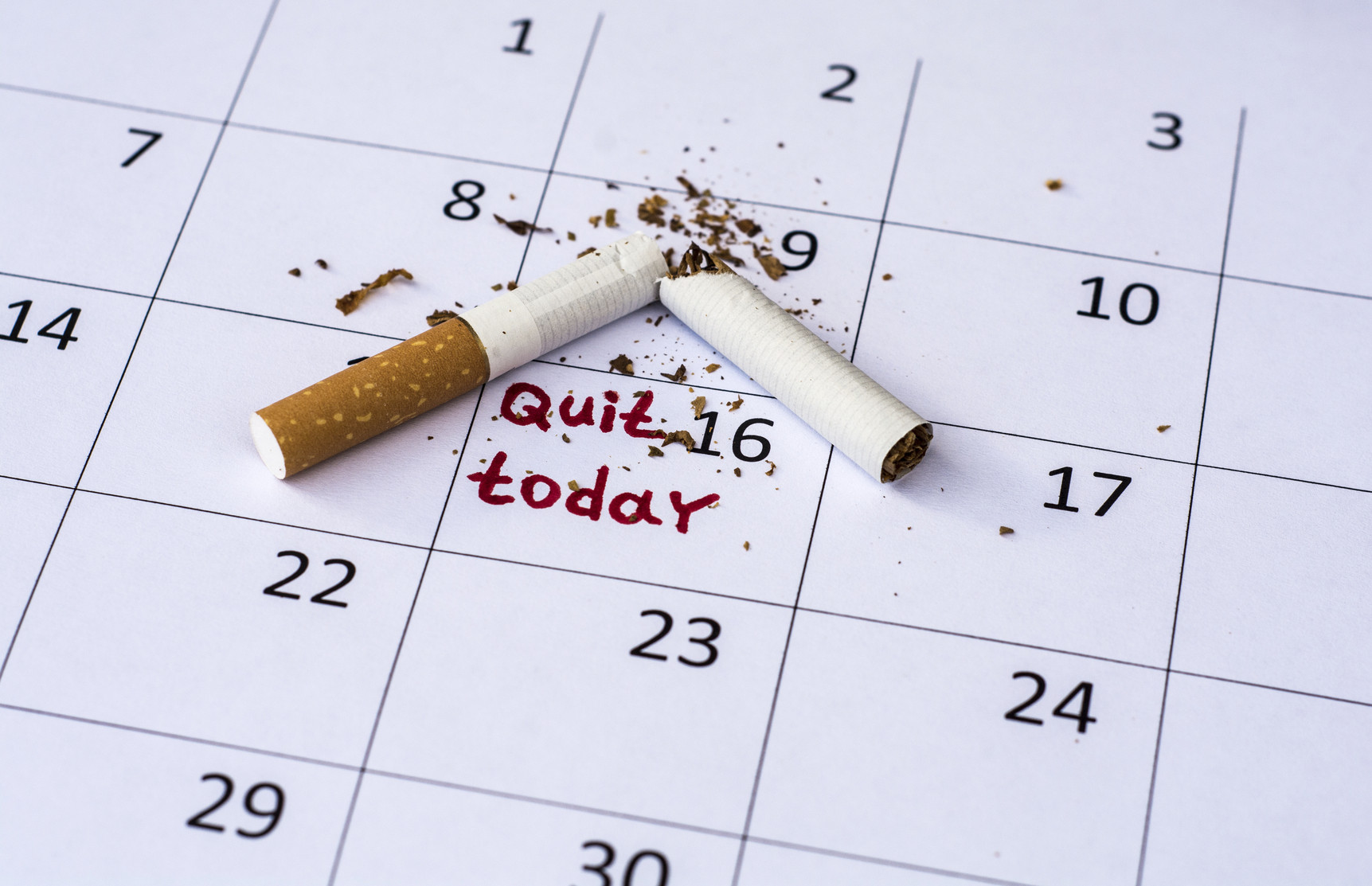
Quitting smoking during the second half of the menstrual cycle may help women kick the habit
Studies have shown that not only do women have a harder time quitting than men, but they also experience more severe health consequences from smoking. However, new research suggests that it may be easier for women to quit smoking during the second half of their menstrual cycle. During this time, the hormone progesterone is higher, and this appears to aid in quitting and avoiding relapse.

Unveiling post-traumatic stress disorder
Often considered an ailment of only military veterans, this condition also can affect many older men.
Image: Devoryou/Thinkstock
Mention post-traumatic stress disorder (PTSD), and most people immediately think of military veterans. While this group is highly susceptible to PTSD, research has shown that older adults, specifically men, are also vulnerable.
PTSD is a potentially debilitating condition that can occur in people who have experienced a natural disaster, war, terrorism, serious accident, violent personal assault, or similar traumatic event.
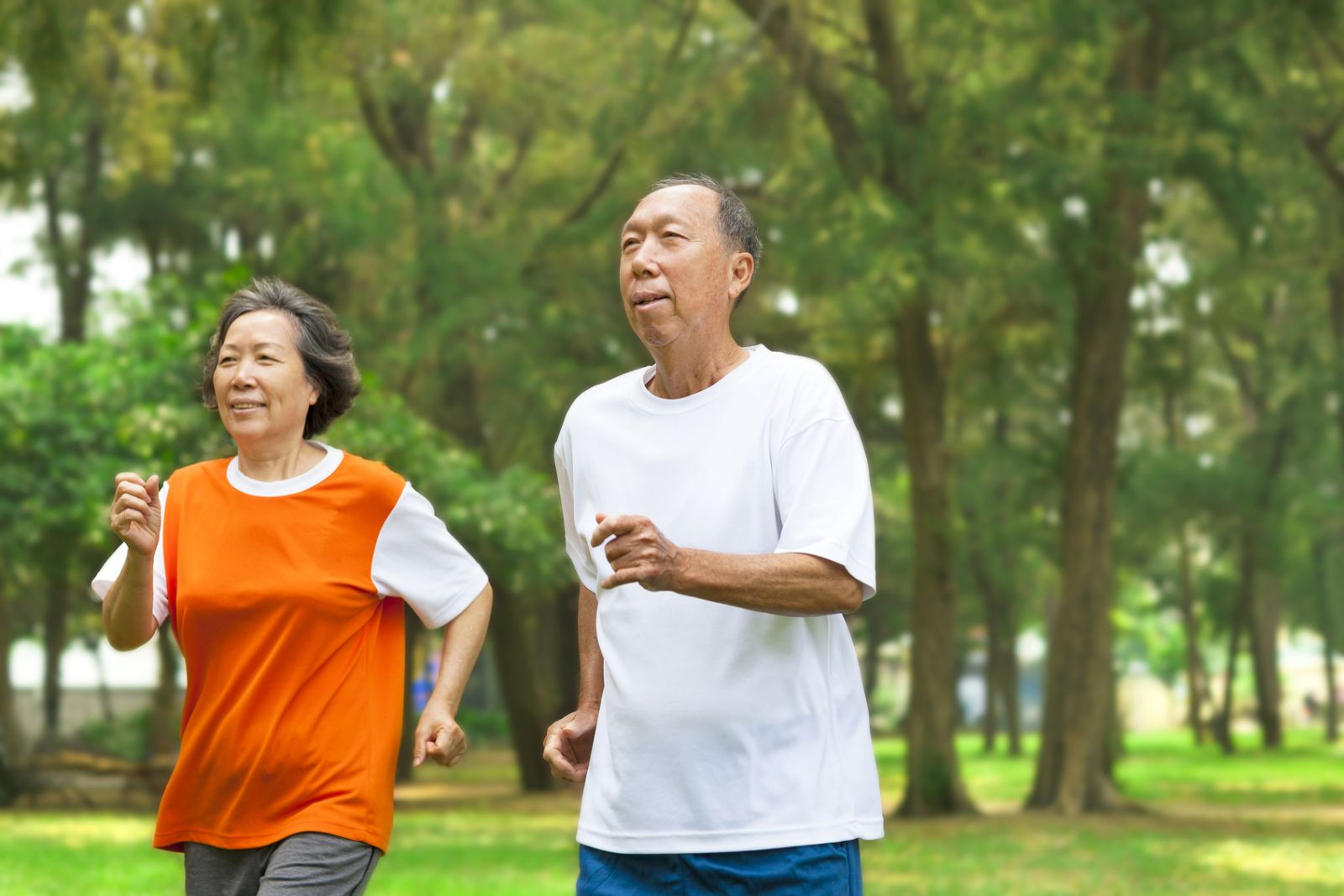
Need a quick brain boost? Take a walk
A brief bout of aerobic exercise can help if you need to stay focused on a task and solve problems more efficiently.
Image: Tomwang112/iStock
It's not news that exercise is good for your body. You can probably recite the litany of physical benefits of regular activity: Exercise helps control your weight, lowers your blood pressure, and dampens inflammation. It reduces the risk of having a heart attack or stroke or of developing diabetes or certain cancers.
But exercise is just as important for your mind. Not only is regular exercise associated with a reduced risk of depression and anxiety, there is mounting evidence that it slows cognitive decline and may reduce the risk of dementia. "There is good evidence that exercise behaves like medicine to improve brain health and thinking skills. There is a growing body of science behind this," says Dr. Scott McGinnis, assistant clinical professor of psychiatry at Harvard Medical School.

Attending religious services linked to longer lives, study shows
Attending religious services frequently has been linked to fewer deaths over 16 years among women in the Nurses’ Health Study.
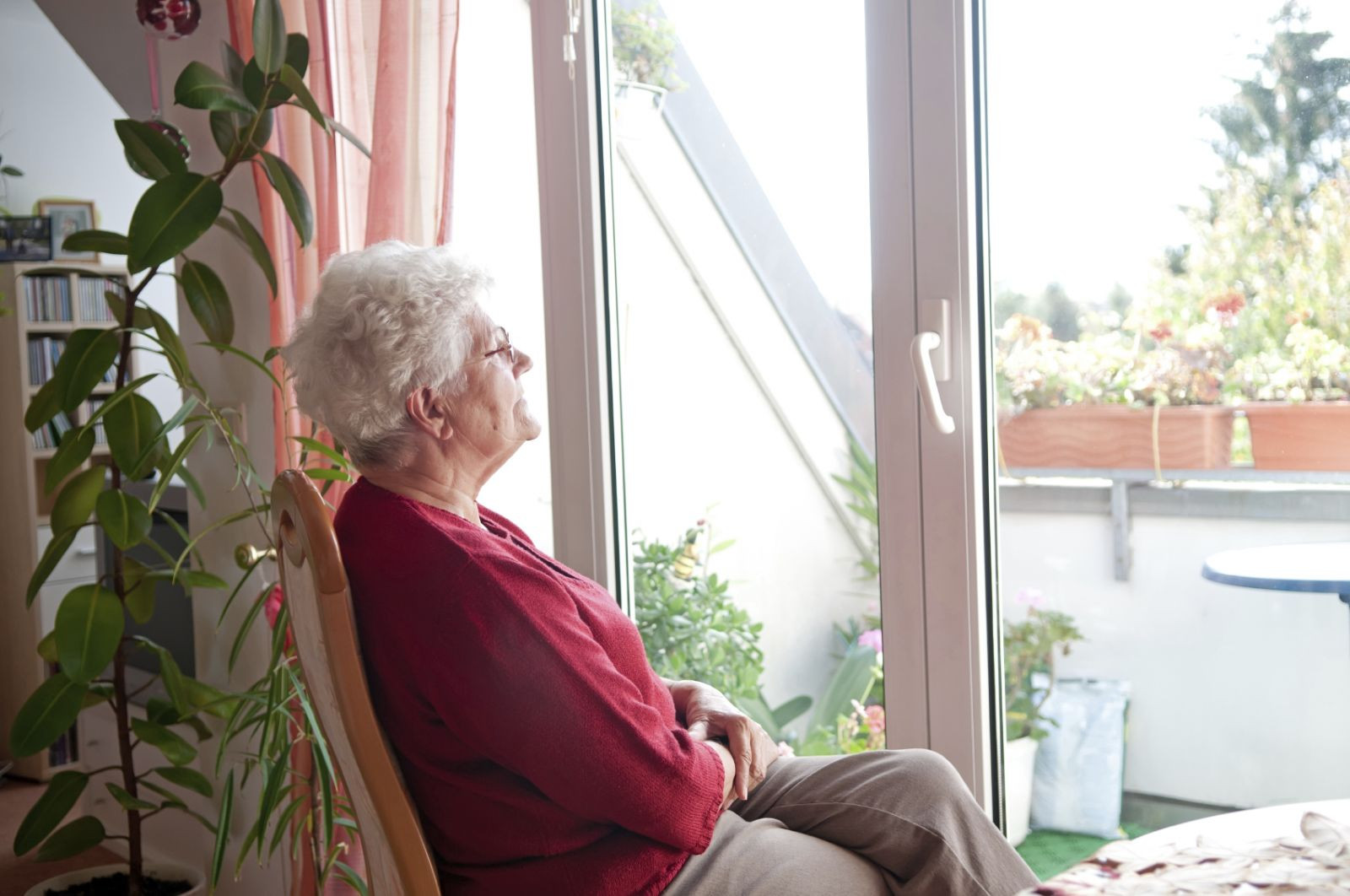
5 ways to fight loneliness and isolation
Act now to avoid potential dangers associated with solitary living, such as coronary artery disease, stroke, and thinking skills decline.
Image: iStock
One lovely picture of older age is of smiling seniors enjoying their golden years with partners, friends, and family. In reality, many seniors are isolated and lonely. The National Council on Aging reports that one in six adults ages 65 or older is isolated, either socially or geographically. And in a 2010 AARP survey, 25% of respondents ages 70 or older said they felt lonely.
Health risks
Simple steps to connect
Fighting back against loneliness and isolation takes planning and effort. Consider the following strategies.
1. Reach out to family and friends, even if it's just with a phone call or a video call (using a computer program or smartphone app to actually see the person you're talking with). "Virtual connections are still connections," says Dr. Miller. "Even a quick text or seeing someone's face on a screen can improve your well-being." Make contact with someone a regular part of your day, like taking medicine or exercising.
2. Have no transportation? Take advantage of driver services through a retirement center or a government-sponsored affordable ride program, so you can get out of your house. The U.S. Administration on Aging can refer you to transportation opportunities in your area. For more information, call 800-677-1116 or go to www.eldercare.gov.
3. Join a club that interests you (a book club, a jazz club, a collectors club), or a spiritual community (a church, mosque, or synagogue). Or become a volunteer at an organization you support.
"When you're alone, you focus too much on yourself and dwell on regrets or worries. When you're with other people, you turn your focus outward. When you're thinking less about yourself, you're worrying less about yourself," says Dr. Miller.
4. Get a pet, if you are physically and mentally able to care for it; pets make wonderful companions, and they provide many emotional and physical benefits.
5. Sign up for visits by volunteers from senior centers or for Meals on Wheels, which also has a visitors program. "Simply having conversations with people will stimulate your brain and make you feel better," says Dr. Miller.
Are you at risk for loneliness or isolation?Isolation is a risk factor for loneliness. "There's no hard-and-fast rule that everyone needs to be involved with others all the time, but we tend to feel better when we're with others, and we may feel worse if we're often alone," says Dr. Michael Craig Miller, a Harvard Medical School assistant professor of psychiatry. What causes isolation? Risk factors include living alone, without family support; having a disability; struggling with language barriers; and facing geographical challenges—such as living in a rural area or not having transportation—that keep you from accessing benefits. |
Whole grains may improve several heart risk factors at once
Light exposure at night may raise risk for heart disease
Children of centenarians may stay healthier and live longer too, study finds
A lumbar belt may help ease low back pain
Signs of pneumonia: Sometimes vague and unexpected
The surprising link between ovarian cancer and the fallopian tubes
Using a vibration plate: What it can — and can't — do for your body
People who walk more or walk faster live longer, study finds
Rosacea treatments: What works?
For sleep apnea, a dental device may be as effective as CPAP
Free Healthbeat Signup
Get the latest in health news delivered to your inbox!
Sign Up
