

Healing after food poisoning

What is tempeh? Benefits, nutrition, and how to use it

Light exposure at night may raise risk for heart disease

Whole grains may improve several heart risk factors at once

A lumbar belt may help ease low back pain

Children of centenarians may stay healthier and live longer too, study finds

Signs of pneumonia: Sometimes vague and unexpected

The surprising link between ovarian cancer and the fallopian tubes

Using a vibration plate: What it can — and can't — do for your body

People who walk more or walk faster live longer, study finds
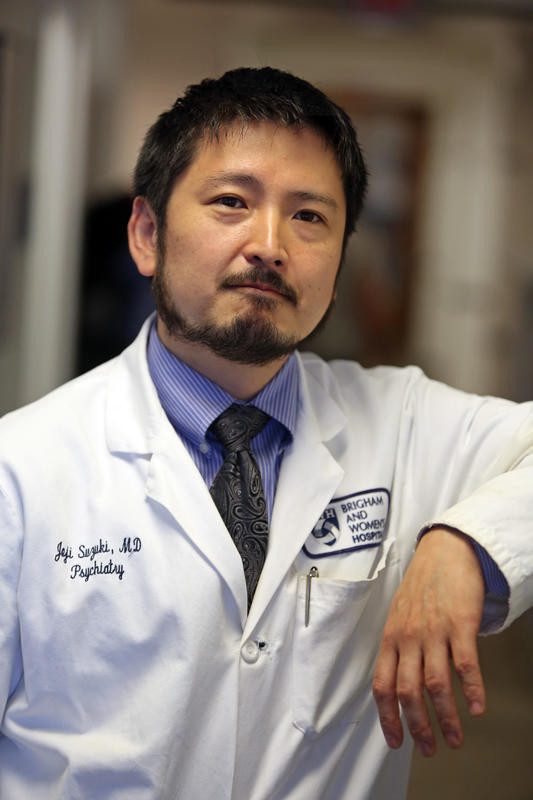
Joji Suzuki, MD
Dr. Suzuki is the Director of the Division of Addiction Psychiatry and Director of Addictions Education in the Department of Psychiatry, Brigham and Women’s Hospital, and an Assistant Professor of Psychiatry at Harvard Medical School. His areas of clinical and research interests are the assessment and management of substance use disorders and related conditions in general medical settings, motivational interviewing, office-based opioid treatment, implementation of collaborative models of care, and medical education. He is the site director for the Partners Addiction Psychiatry Fellowship, and is involved with teaching medical students, residents, and allied health professionals. He has authored over 30 peer-reviewed manuscripts and book chapters related to addiction psychiatry.
Posts by Joji Suzuki, MD

Healing after food poisoning
What is tempeh? Benefits, nutrition, and how to use it
Light exposure at night may raise risk for heart disease
Whole grains may improve several heart risk factors at once
A lumbar belt may help ease low back pain
Children of centenarians may stay healthier and live longer too, study finds
Signs of pneumonia: Sometimes vague and unexpected
The surprising link between ovarian cancer and the fallopian tubes
Using a vibration plate: What it can — and can't — do for your body
People who walk more or walk faster live longer, study finds

