

Signs of pneumonia: Sometimes vague and unexpected

Using a vibration plate: What it can — and can't — do for your body

The surprising link between ovarian cancer and the fallopian tubes

People who walk more or walk faster live longer, study finds

For sleep apnea, a dental device may be as effective as CPAP

Rosacea treatments: What works?

Carb cycling: What is it, and does it work?

Salmonella, E. coli, Cyclospora, and other germs that cause food poisoning: What you need to know

Melatonin or magnesium: Can either supplement help you sleep?

Understanding orthorexia: Have your healthy eating goals gone too far?
Healthy Eating Archive
Articles
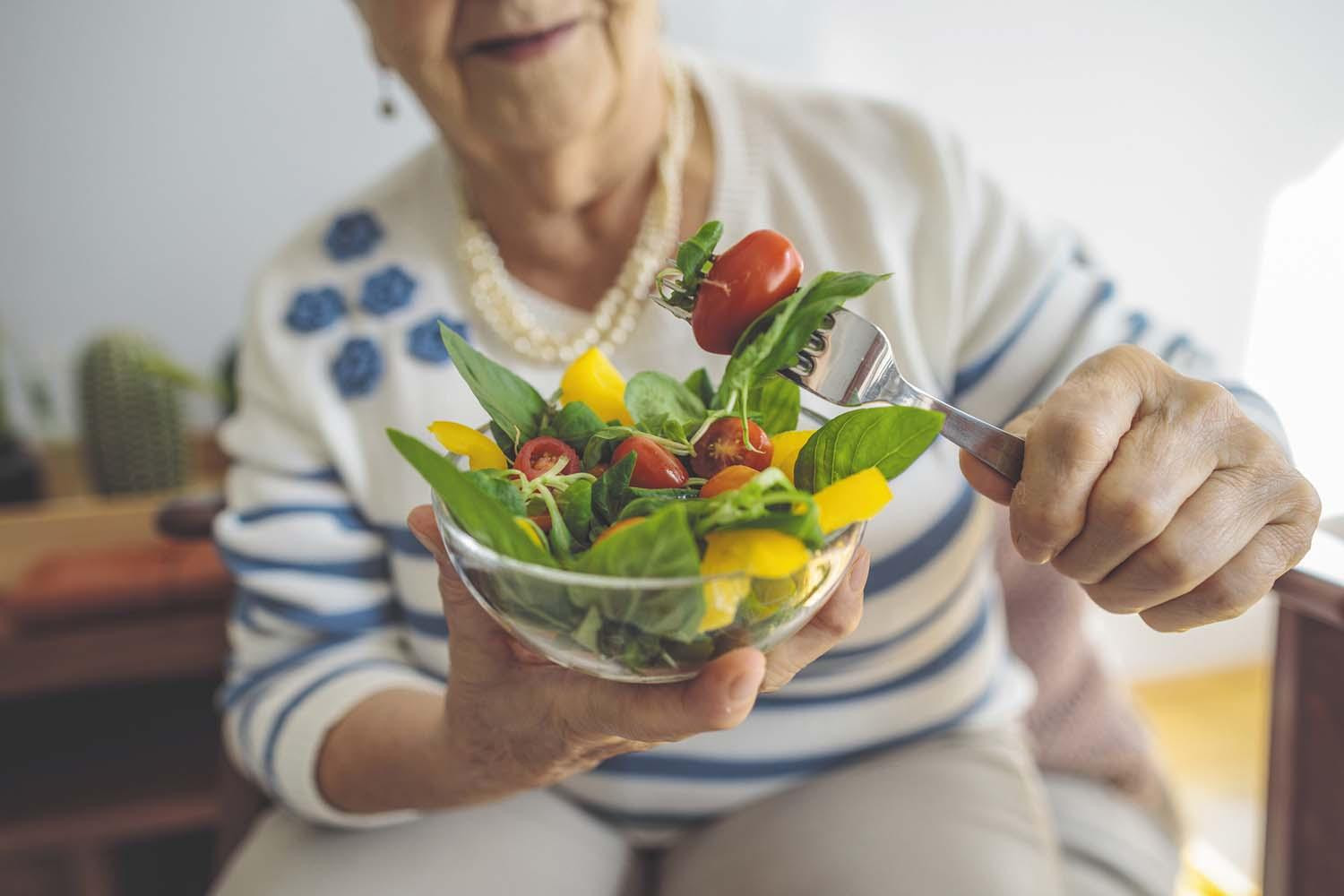
Eat a healthy diet and banish a big belly to protect your mind
In a 2025 study, people with the healthiest diets and trimmest bellies at midlife had better brain connections and skills decades later, compared with people who ate the worst diets and had the most belly fat.
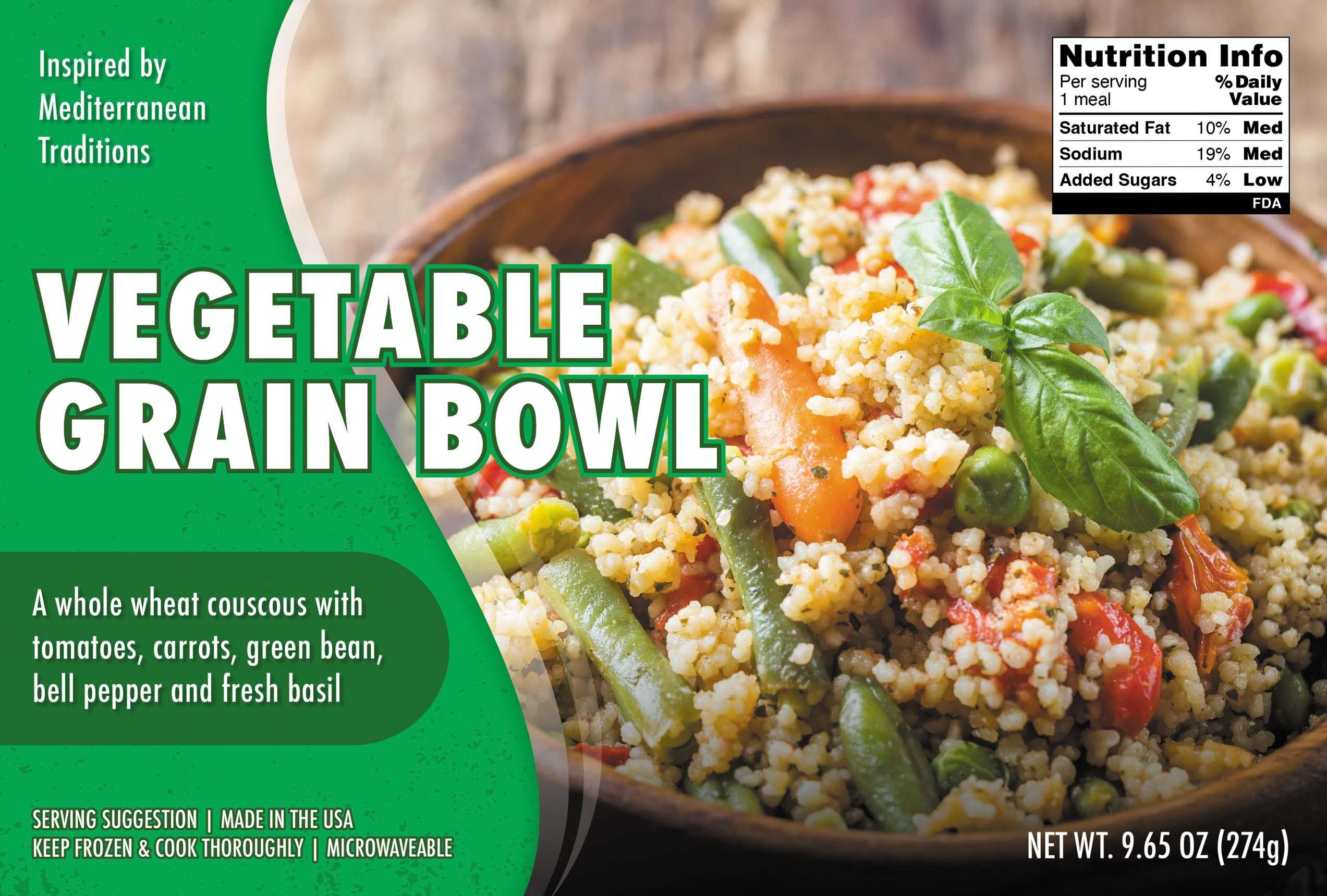
Food additives and heart health
Ultraprocessed packaged foods and drinks contain thickeners, preservatives, and other additives to improve their taste, texture, appearance, and shelf life. But the high amounts of salt, sugar, and fat in these products are probably more concerning for a person's health. Foods like sugary drinks and processed meats are the worst culprits. Eating a diet focused on whole, plant-based foods automatically lowers processed food intake and provides heart-protecting nutrients such as fiber, vitamins, and minerals.
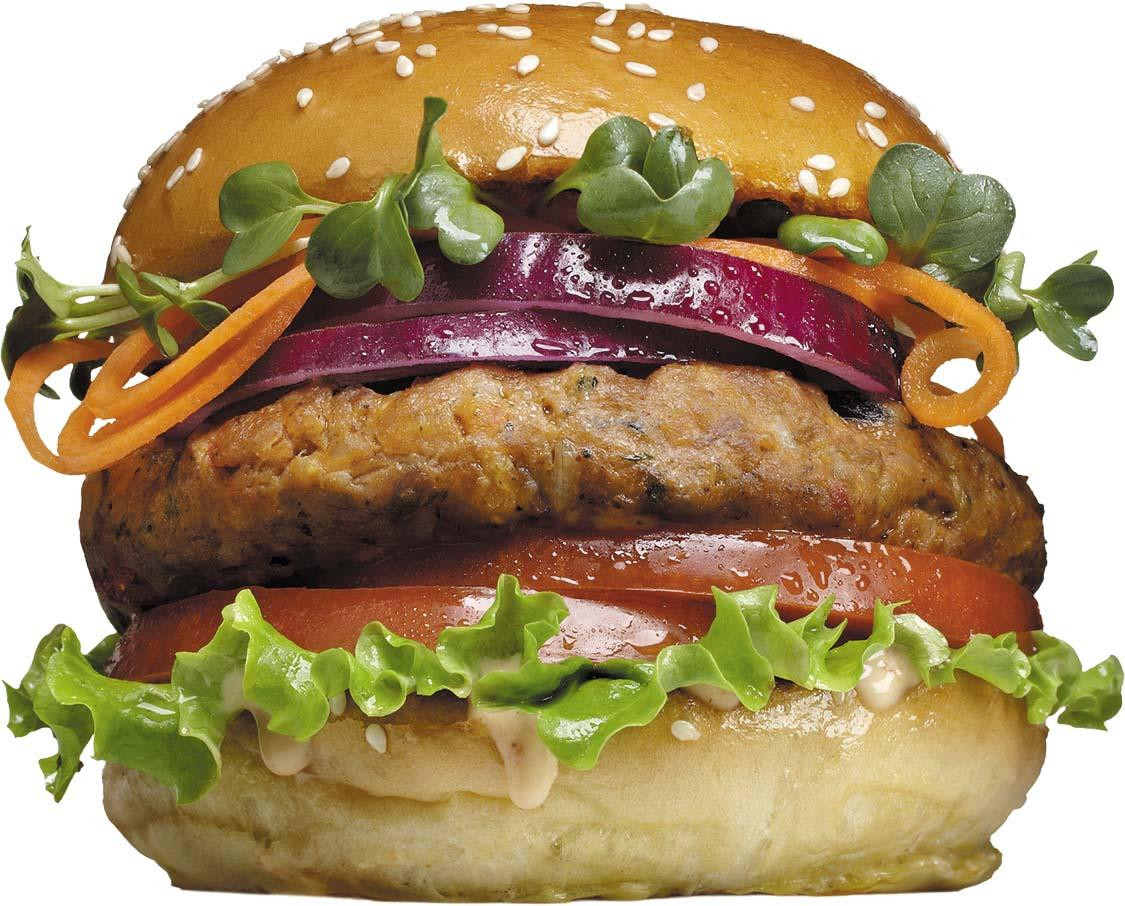
What type of burgers are the healthiest?
Meatless burgers-which include plant-based meat alternatives like Beyond Burger and Impossible Burger and veggie burgers-are healthy replacements for traditional hamburgers. Those with the lowest amounts of saturated fat and sodium are the best options.
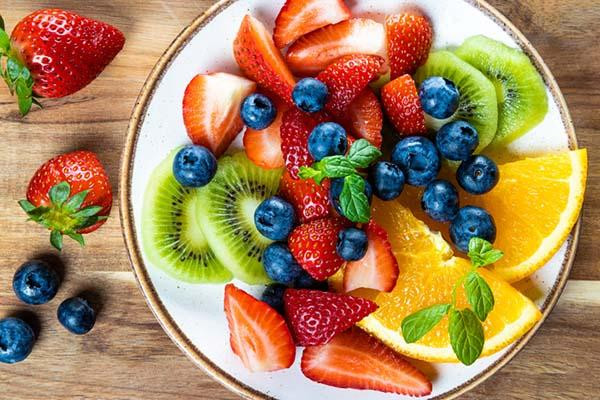


Popular no-calorie sweetener may increase hunger
In a 2025 study, researchers found that many people who drank water containing the no-calorie sweetener sucralose (Splenda) had increased appetite and cravings compared with those who drank water sweetened with table sugar or plain water.

Diets rich in plant-based foods linked to healthy aging
Following a mostly plant-based diet starting in middle age can boost a person's odds of healthy aging, defined as reaching age 70 free from chronic disease while also maintaining cognitive, physical, and mental health, according to a 2025 study.

Heart-healthy dinner ideas from Harvard doctors
A healthy diet is a proven and powerful way to lower your risk of heart disease. Since dinner is often the main meal of the day, it's a good time to feature foods that support cardiovascular health. Four Harvard physicians share their favorite healthy dinners, which focus on lean protein (such as tofu, fish, and chicken) and a variety of vegetables.
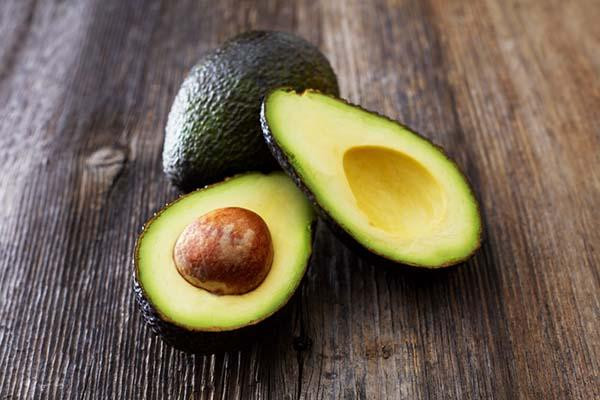

What can magnesium do for you and how much do you need?
Magnesium is a mineral the human body needs to function properly - especially for a healthy cardiovascular system, nerves, muscles, and bones - though the benefits of supplements are largely oversold. While most people get enough magnesium from their diet, in certain instances people should take a supplement.
Signs of pneumonia: Sometimes vague and unexpected
Using a vibration plate: What it can — and can't — do for your body
The surprising link between ovarian cancer and the fallopian tubes
People who walk more or walk faster live longer, study finds
For sleep apnea, a dental device may be as effective as CPAP
Rosacea treatments: What works?
Carb cycling: What is it, and does it work?
Salmonella, E. coli, Cyclospora, and other germs that cause food poisoning: What you need to know
Melatonin or magnesium: Can either supplement help you sleep?
Understanding orthorexia: Have your healthy eating goals gone too far?
Free Healthbeat Signup
Get the latest in health news delivered to your inbox!
Sign Up
