

Signs of pneumonia: Sometimes vague and unexpected

Using a vibration plate: What it can — and can't — do for your body

The surprising link between ovarian cancer and the fallopian tubes

People who walk more or walk faster live longer, study finds

For sleep apnea, a dental device may be as effective as CPAP

Rosacea treatments: What works?

Carb cycling: What is it, and does it work?

Salmonella, E. coli, Cyclospora, and other germs that cause food poisoning: What you need to know

Melatonin or magnesium: Can either supplement help you sleep?

Understanding orthorexia: Have your healthy eating goals gone too far?
Healthy Eating Archive
Articles

Do I need to rebalance my pH?
The body's pH level supports a variety of crucial functions. Certain health conditions can create a pH disturbance. People can support a healthy pH by eating a balanced diet featuring fruits, vegetables, whole grains, lean meat, and fish.
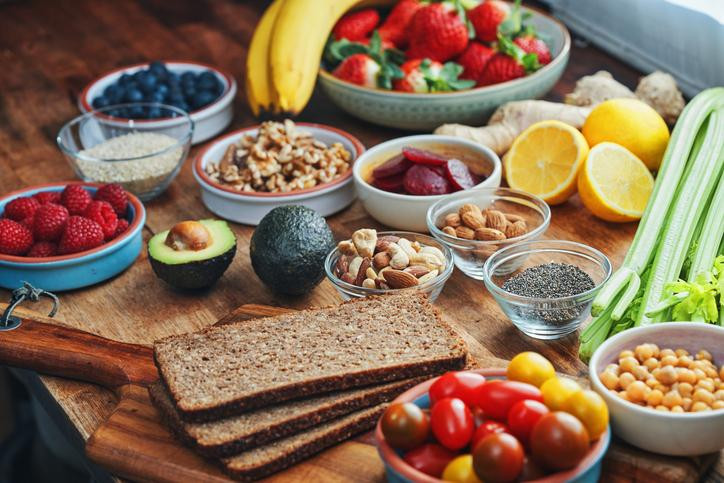
DASH diet tied to lower colorectal cancer risk
A 2025 research review found that adhering to the DASH diet-which emphasizes eating fruits, vegetables, lean protein, whole grains, nuts, and low-fat dairy products-is linked to a lower risk of developing colorectal cancer.
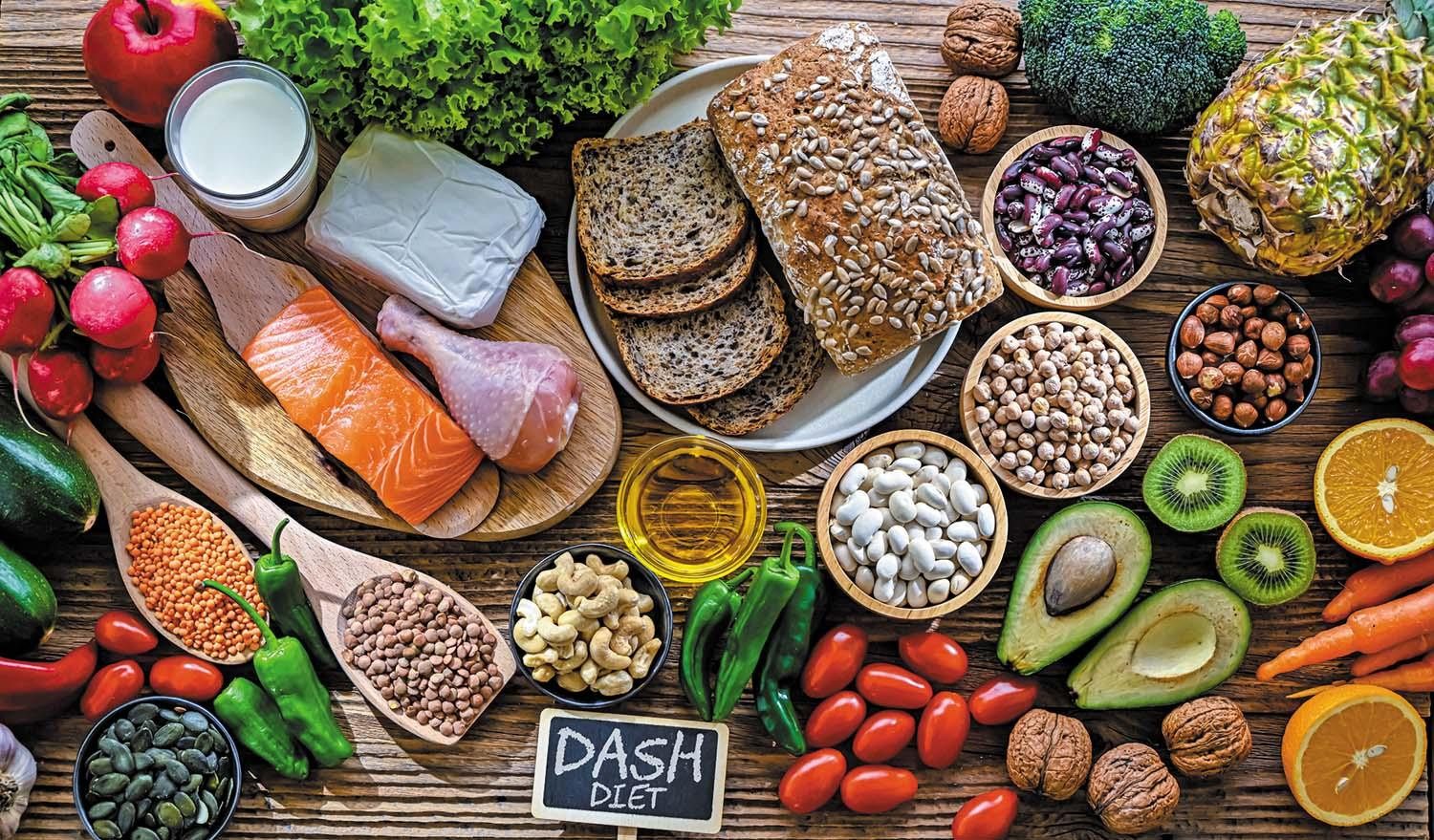
Modified DASH diet lowers blood pressure in people with diabetes
For people with diabetes, a modified version of the Dietary Approaches to Stop Hypertension (DASH) diet can lower their blood pressure. Called DASH4D, it has fewer carbohydrates, more unsaturated fat, and slightly reduced amounts of potassium.
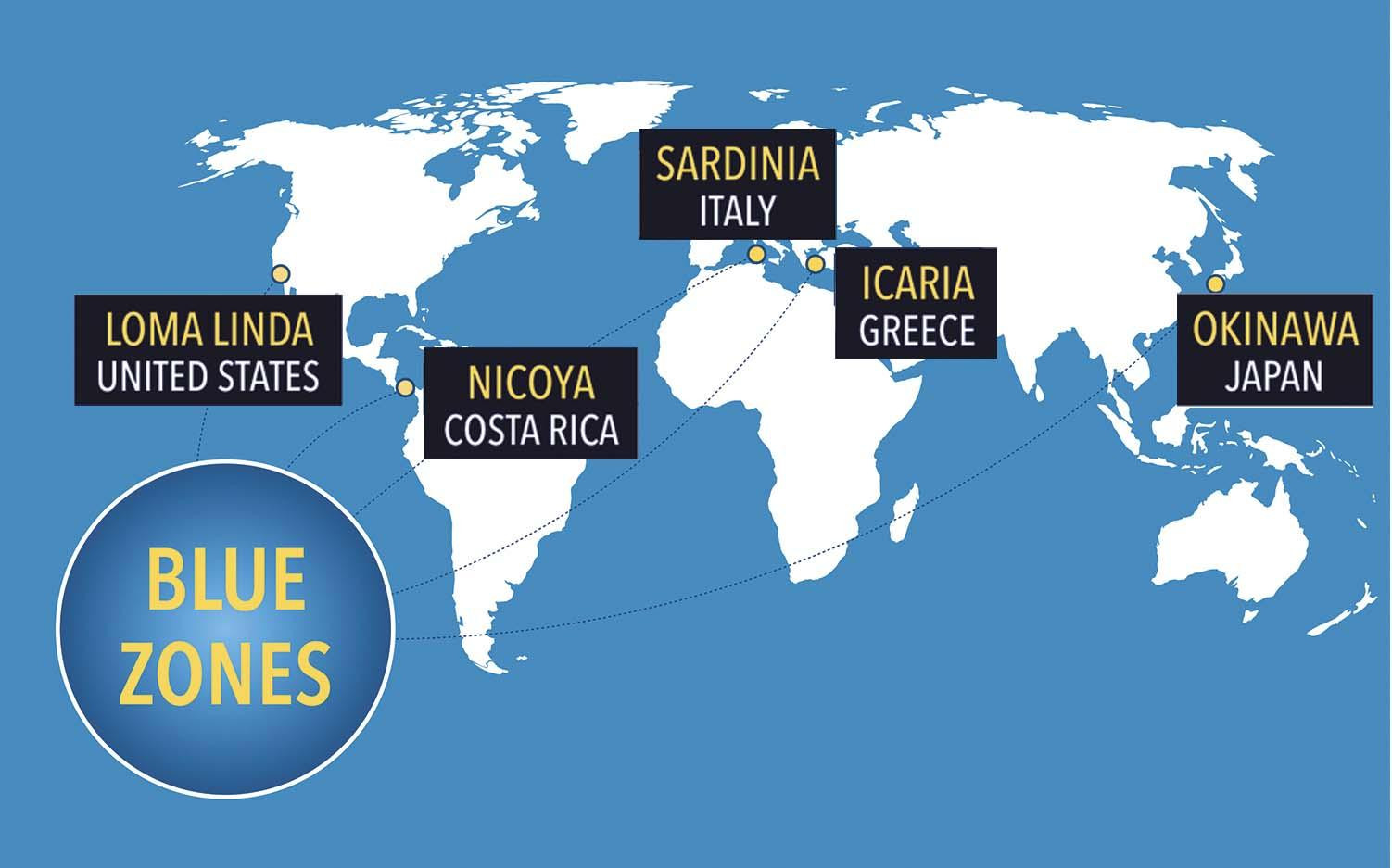
Living in the Blue Zone
The Blue Zones are locations in the world where people are regarded as being among the healthiest and longest-lived. They include Okinawa, Japan; Ikaria, Greece; Sardinia, Italy; Nicoya, Costa Rica; and Loma Linda, California. According to some research, most residents of Blue Zones live seven to 10 years longer than the average American and have lower rates of cancer, cardiovascular disease, diabetes, and dementia. These individuals follow certain healthy behaviors related to diet, exercise, and emotional well-being that people can adopt.
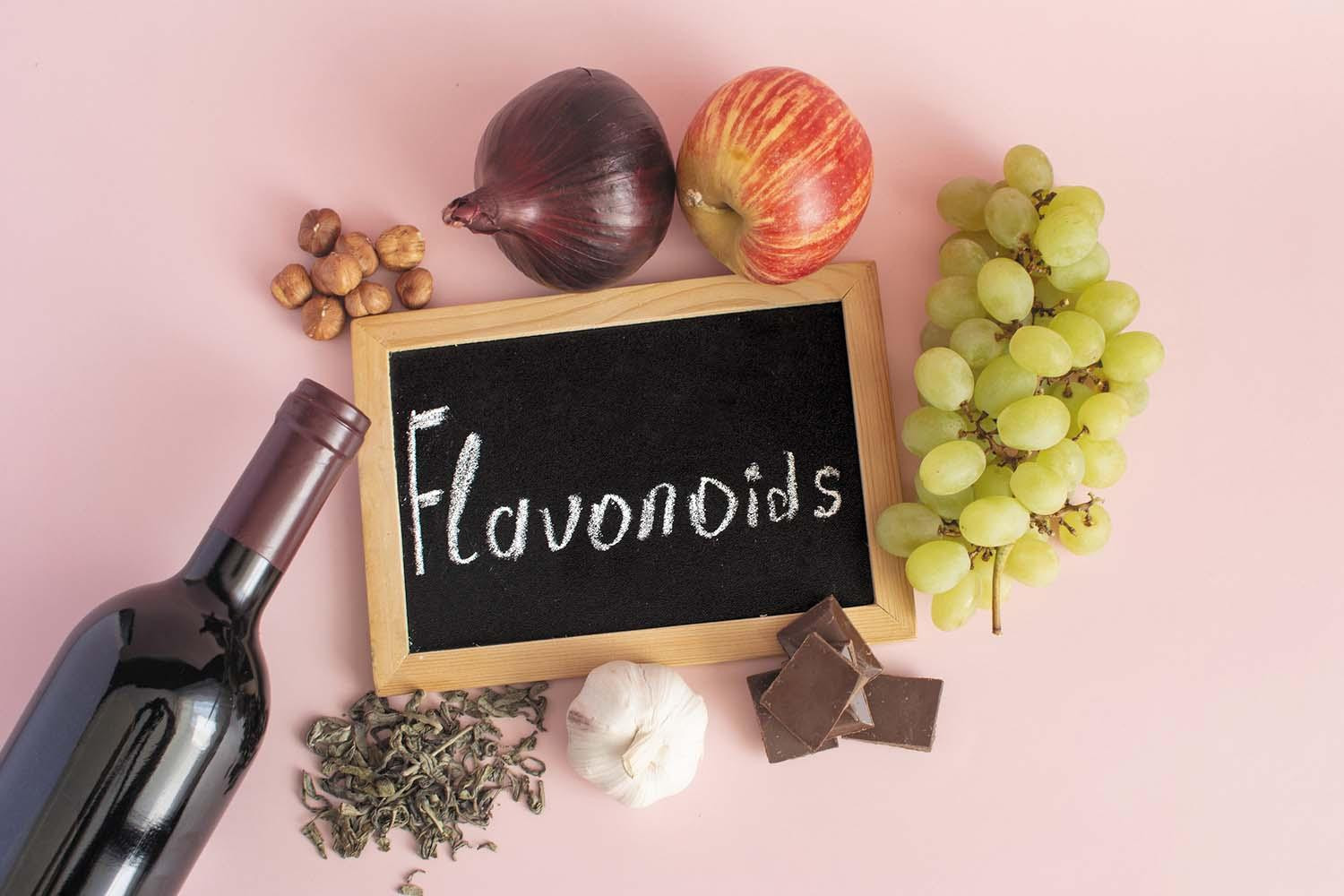
Eating diverse flavonoid foods may provide extra health protection
Eating a variety of flavonoid-rich foods may offer greater protection against cardiovascular disease and cancer than eating only a few high-flavonoid foods, according to a 2025 study.

Heart disease and depression: A two way street
A heart disease diagnosis may trigger a bout of depression. But having depression can also leave people more vulnerable to heart disease. Some of the overlap stems from shared lifestyle factors, such as inactivity and an unhealthy diet. In addition to addressing those issues, other safe and effective ways to ease depression include working with a therapist, using a light box, and taking medications.
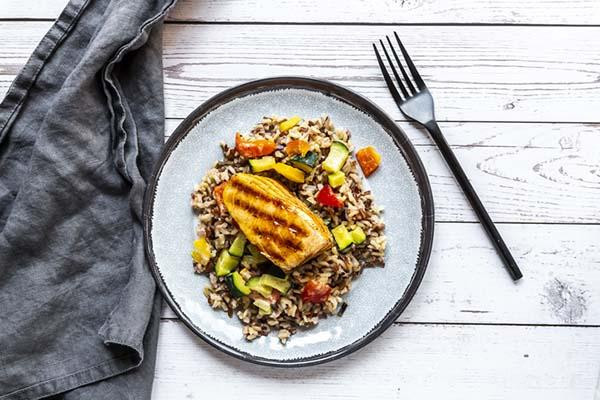
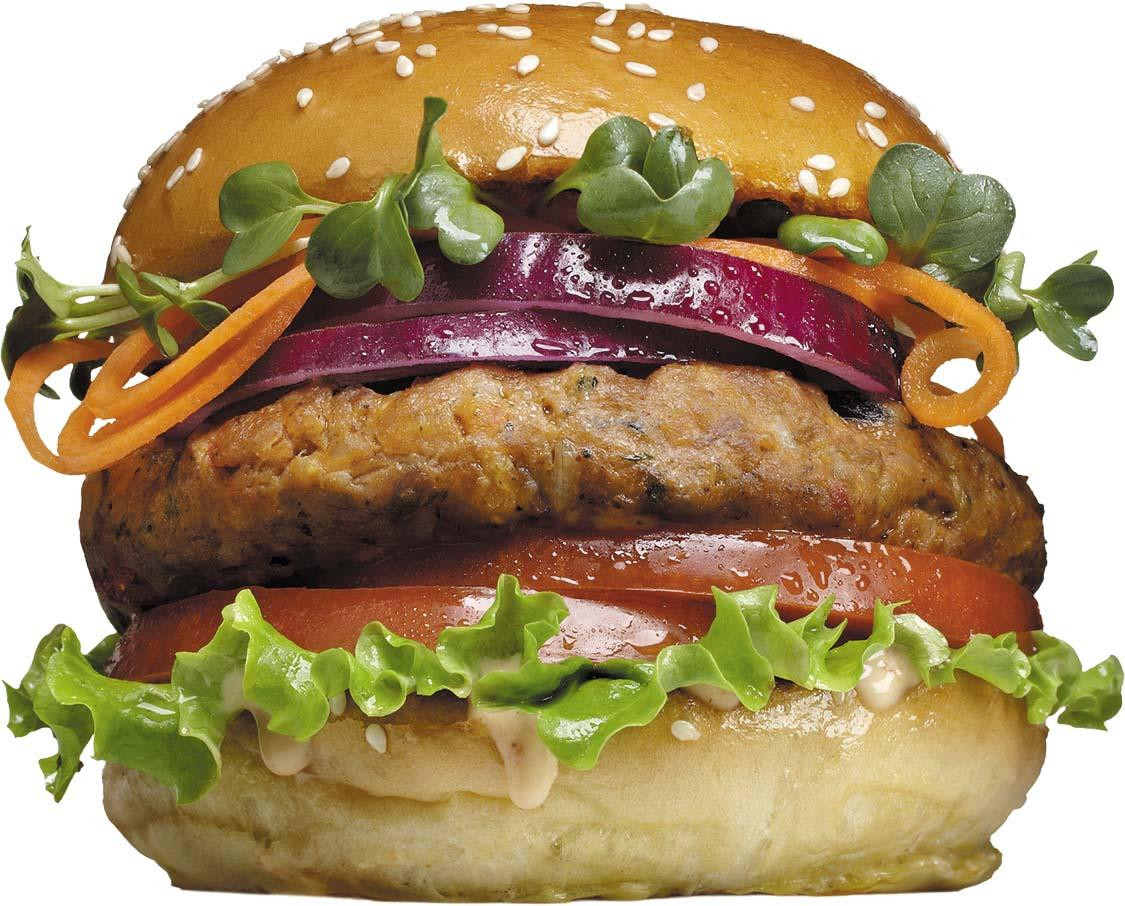
What type of burgers are the healthiest?
Meatless burgers-which include plant-based meat alternatives like Beyond Burger and Impossible Burger and veggie burgers-are healthy replacements for traditional hamburgers. Those with the lowest amounts of saturated fat and sodium are the best options.
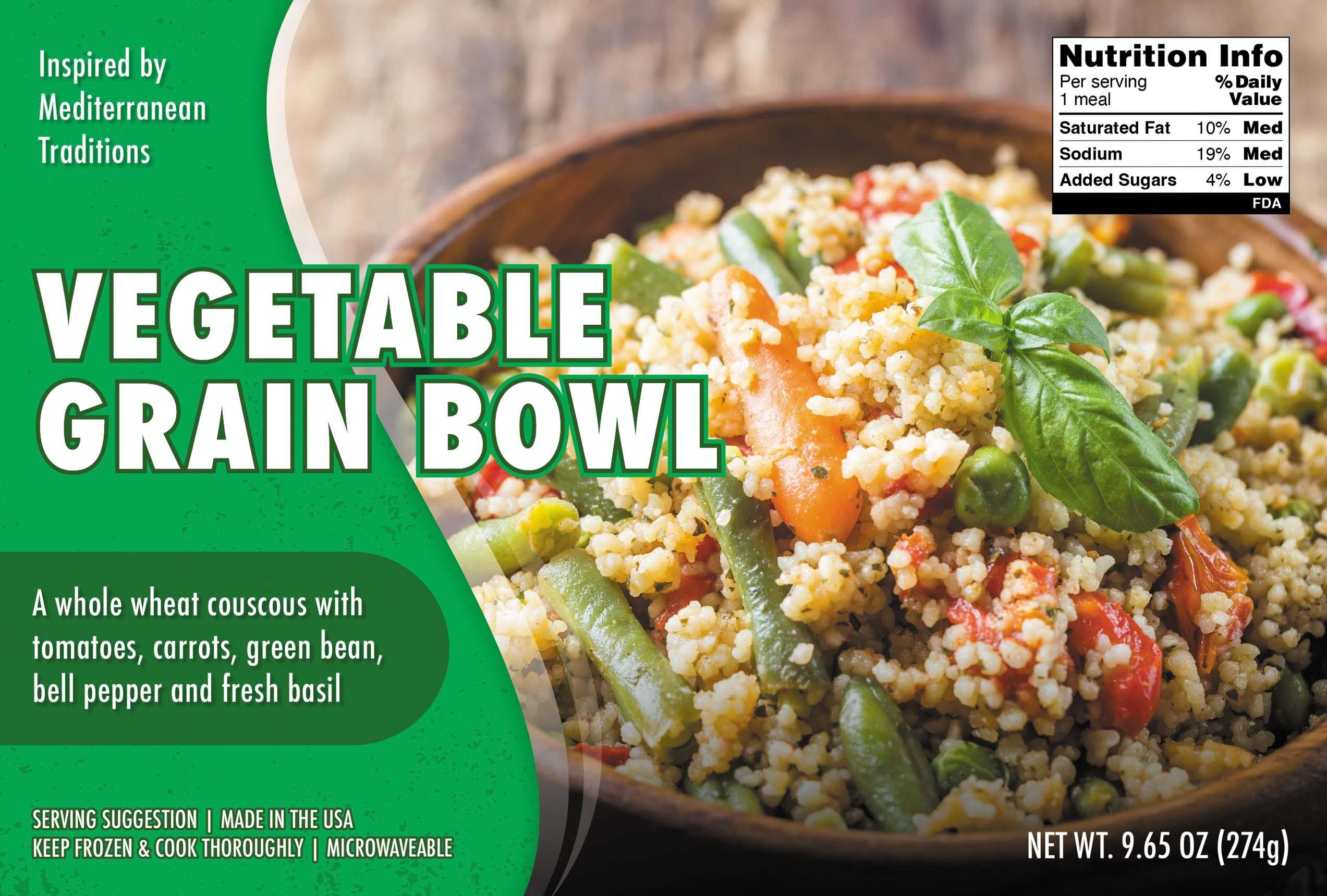
Food additives and heart health
Ultraprocessed packaged foods and drinks contain thickeners, preservatives, and other additives to improve their taste, texture, appearance, and shelf life. But the high amounts of salt, sugar, and fat in these products are probably more concerning for a person's health. Foods like sugary drinks and processed meats are the worst culprits. Eating a diet focused on whole, plant-based foods automatically lowers processed food intake and provides heart-protecting nutrients such as fiber, vitamins, and minerals.
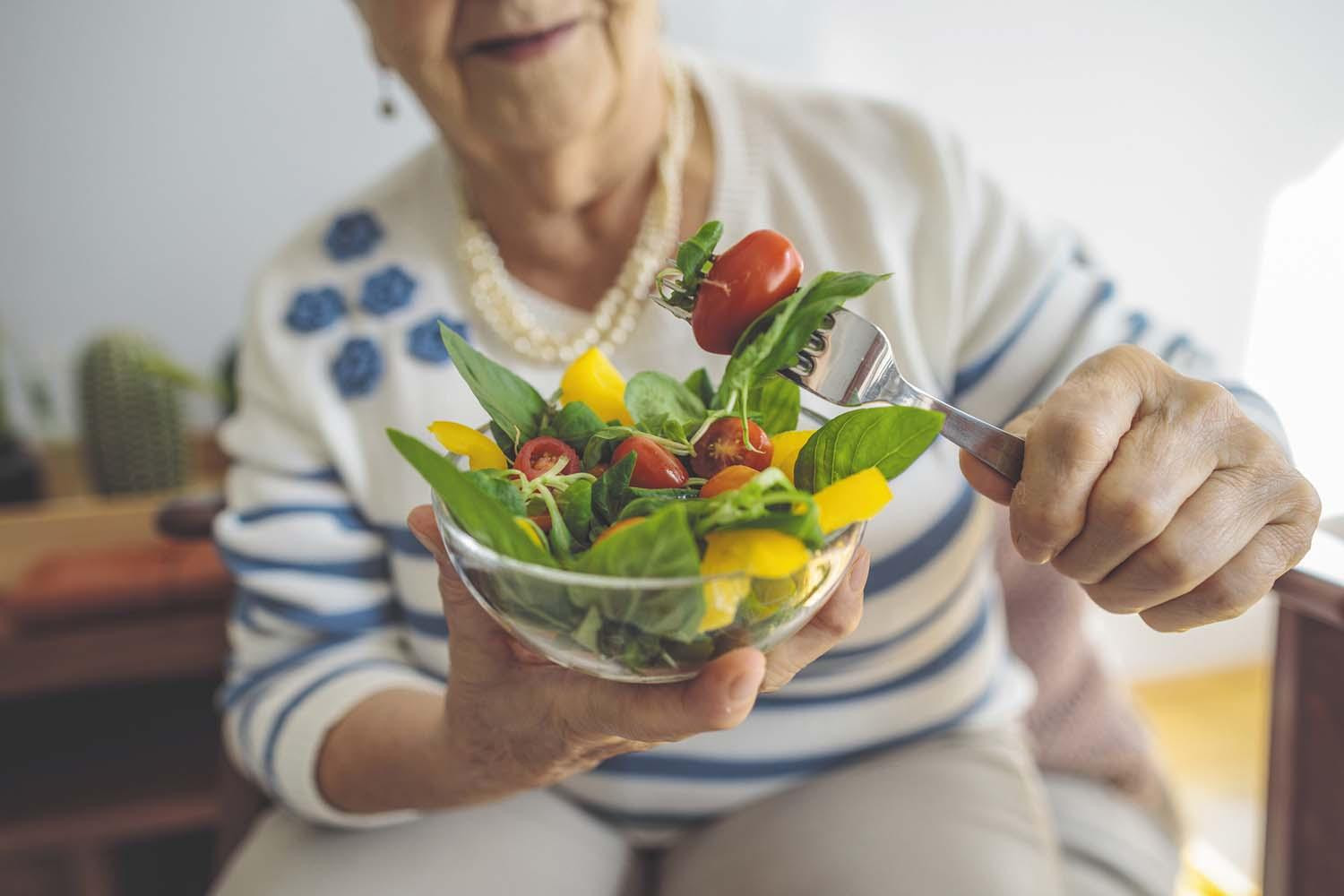
Eat a healthy diet and banish a big belly to protect your mind
In a 2025 study, people with the healthiest diets and trimmest bellies at midlife had better brain connections and skills decades later, compared with people who ate the worst diets and had the most belly fat.
Signs of pneumonia: Sometimes vague and unexpected
Using a vibration plate: What it can — and can't — do for your body
The surprising link between ovarian cancer and the fallopian tubes
People who walk more or walk faster live longer, study finds
For sleep apnea, a dental device may be as effective as CPAP
Rosacea treatments: What works?
Carb cycling: What is it, and does it work?
Salmonella, E. coli, Cyclospora, and other germs that cause food poisoning: What you need to know
Melatonin or magnesium: Can either supplement help you sleep?
Understanding orthorexia: Have your healthy eating goals gone too far?
Free Healthbeat Signup
Get the latest in health news delivered to your inbox!
Sign Up
