

Signs of pneumonia: Sometimes vague and unexpected

Using a vibration plate: What it can — and can't — do for your body

The surprising link between ovarian cancer and the fallopian tubes

People who walk more or walk faster live longer, study finds

For sleep apnea, a dental device may be as effective as CPAP

Rosacea treatments: What works?

Carb cycling: What is it, and does it work?

Salmonella, E. coli, Cyclospora, and other germs that cause food poisoning: What you need to know

Melatonin or magnesium: Can either supplement help you sleep?

Understanding orthorexia: Have your healthy eating goals gone too far?
Healthy Eating Archive
Articles
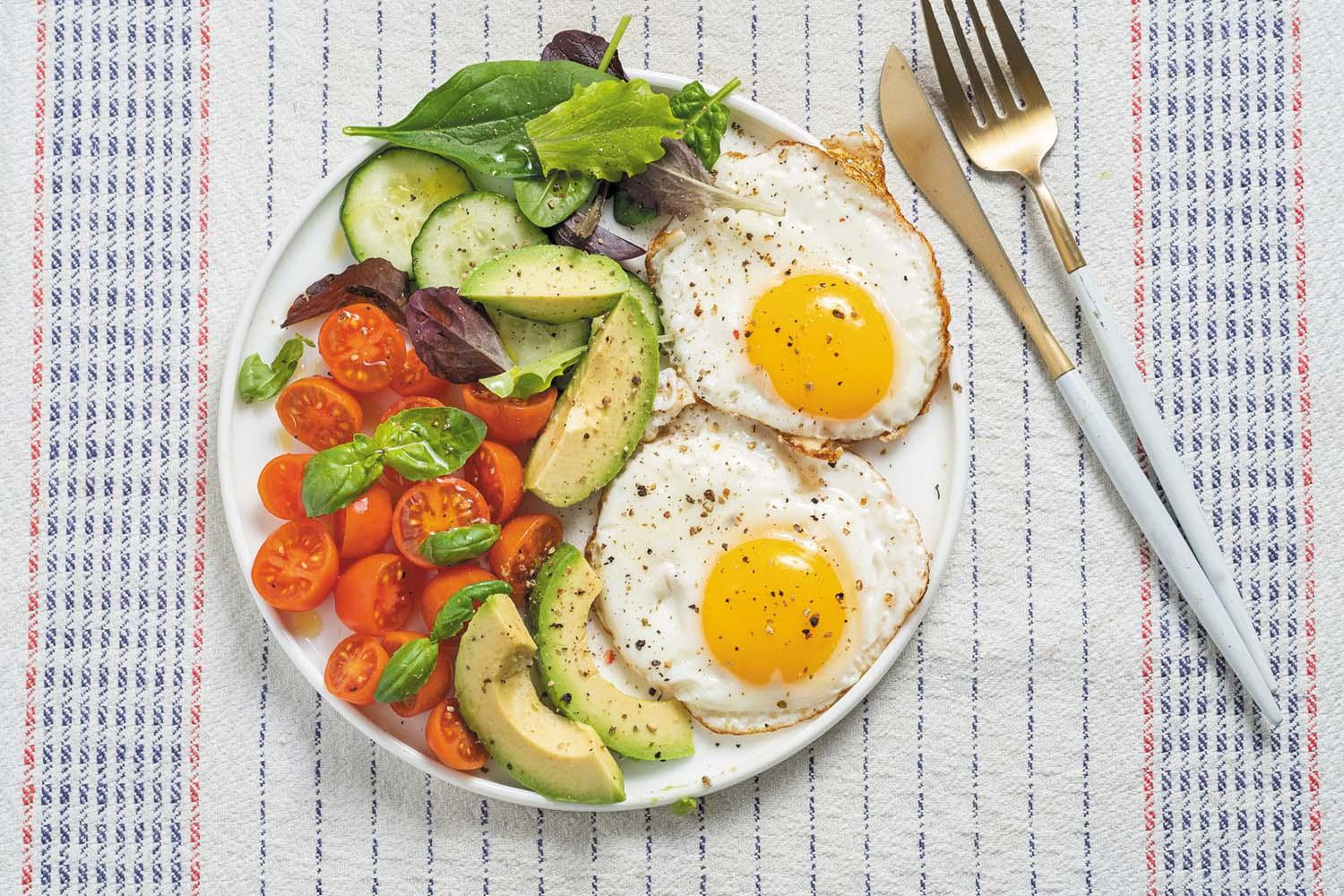
Enjoy eggs - just skip the bacon
Eating two eggs per day doesn't appear to raise harmful LDL cholesterol, as long as people follow a diet low in saturated fat. Although eggs are high in cholesterol, dietary cholesterol doesn't have much of an effect on the amount in a person's bloodstream. But excess dietary saturated fat does raise blood cholesterol, which is why people should limit their saturated fat to 7% of their daily calories.

Can you take a break from healthy eating?
While a healthy eating plan is crucial for health, bending the rules on occasion probably won't hurt most people. One strategy to try is the 90-10 rule-eating healthy foods 90% of the time and splurging on unhealthy foods 10% of the time. For example, if someone eats three meals a day for a week, for a total of 21 meals, the person would be able to splurge on 10% (about two) of the meals. Dietitians warn that applying the 90-10 rule to every meal can lead to trouble, such as weight gain.
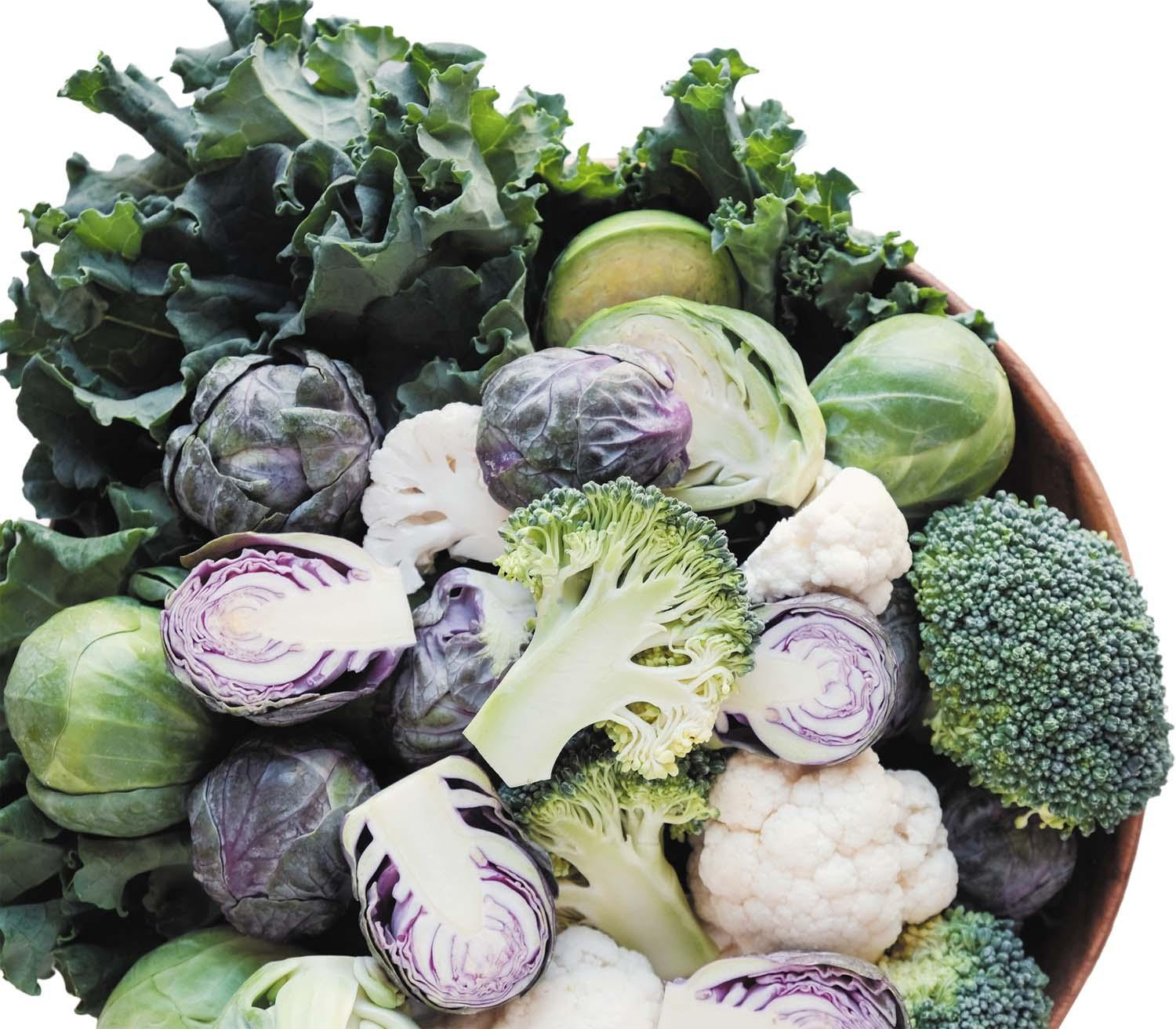
How many servings of cruciferous vegetables should you eat to fight colon cancer?
A 2025 study that included 97,000 people found that those who ate the most cruciferous vegetables-between 20 and 40 grams per day-had a 17% lower risk of developing colon cancer, compared with people who ate the least.

Spice up your holidays
Many spices inhibit damaging inflammation that can cause or worsen a variety of chronic diseases. Four beloved holiday spices-cinnamon, cloves, ginger, and turmeric-boast a variety of health benefits, but need to be used liberally to maximize the effects. People can challenge their palates to use more spices all year long by trying new recipes, testing spices in restaurant or ready-made meals, and bringing spice-laden dishes their ancestors once enjoyed to their own tables.
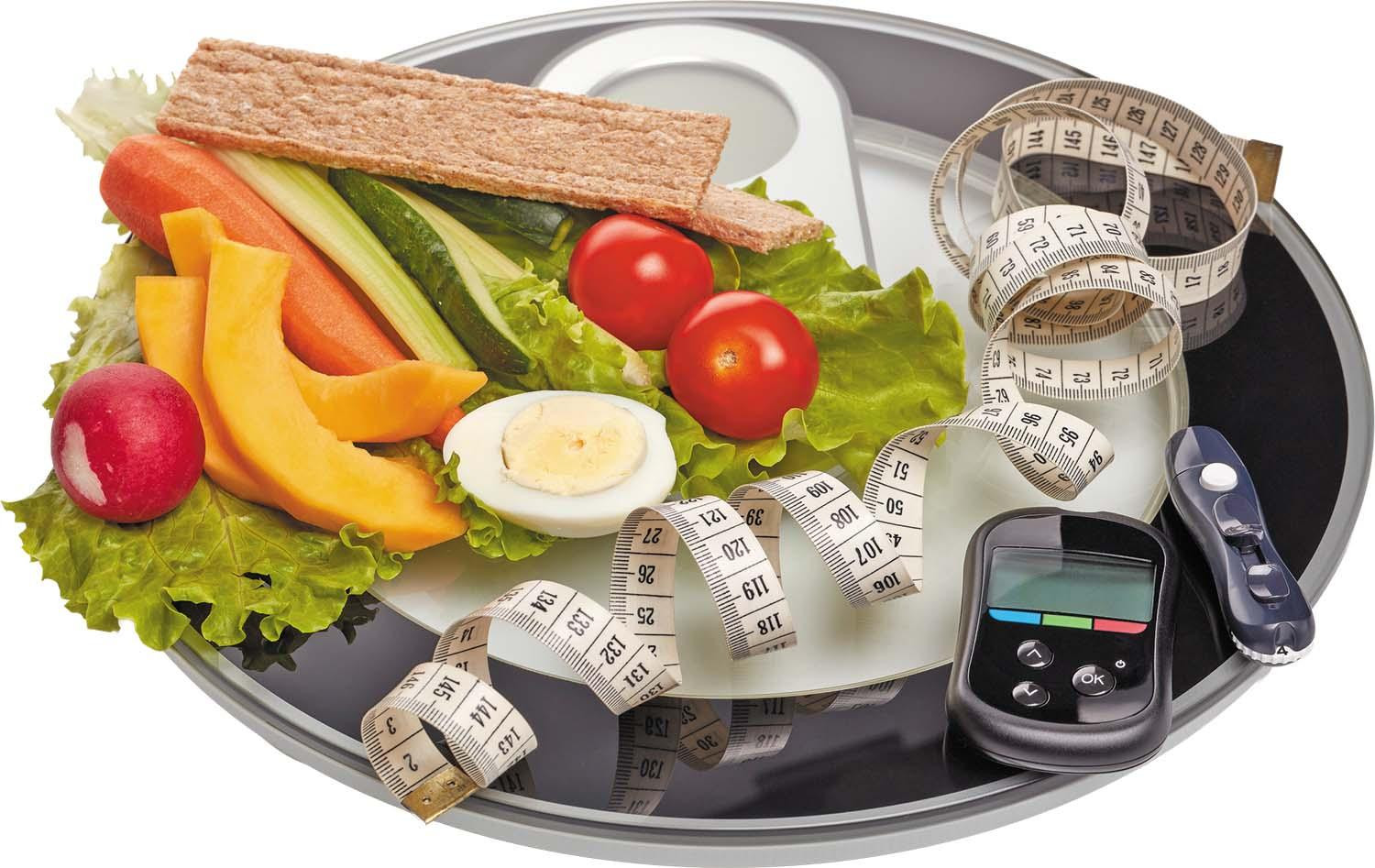
The case for watching your blood sugar
Being mindful of how various factors affect blood sugar levels can help people avoid fatigue, curb cravings, boost mood, and manage weight. Blood sugar spikes after people eat carbohydrate-heavy foods, soon dropping again. Eating balanced meals and snacks that include protein, fat, and carbohydrates can maintain more stable blood sugar levels. People can keep blood sugar levels consistent by timing meals, practicing portion control, prioritizing healthy foods, staying active, avoiding smoking, and keeping a food log.
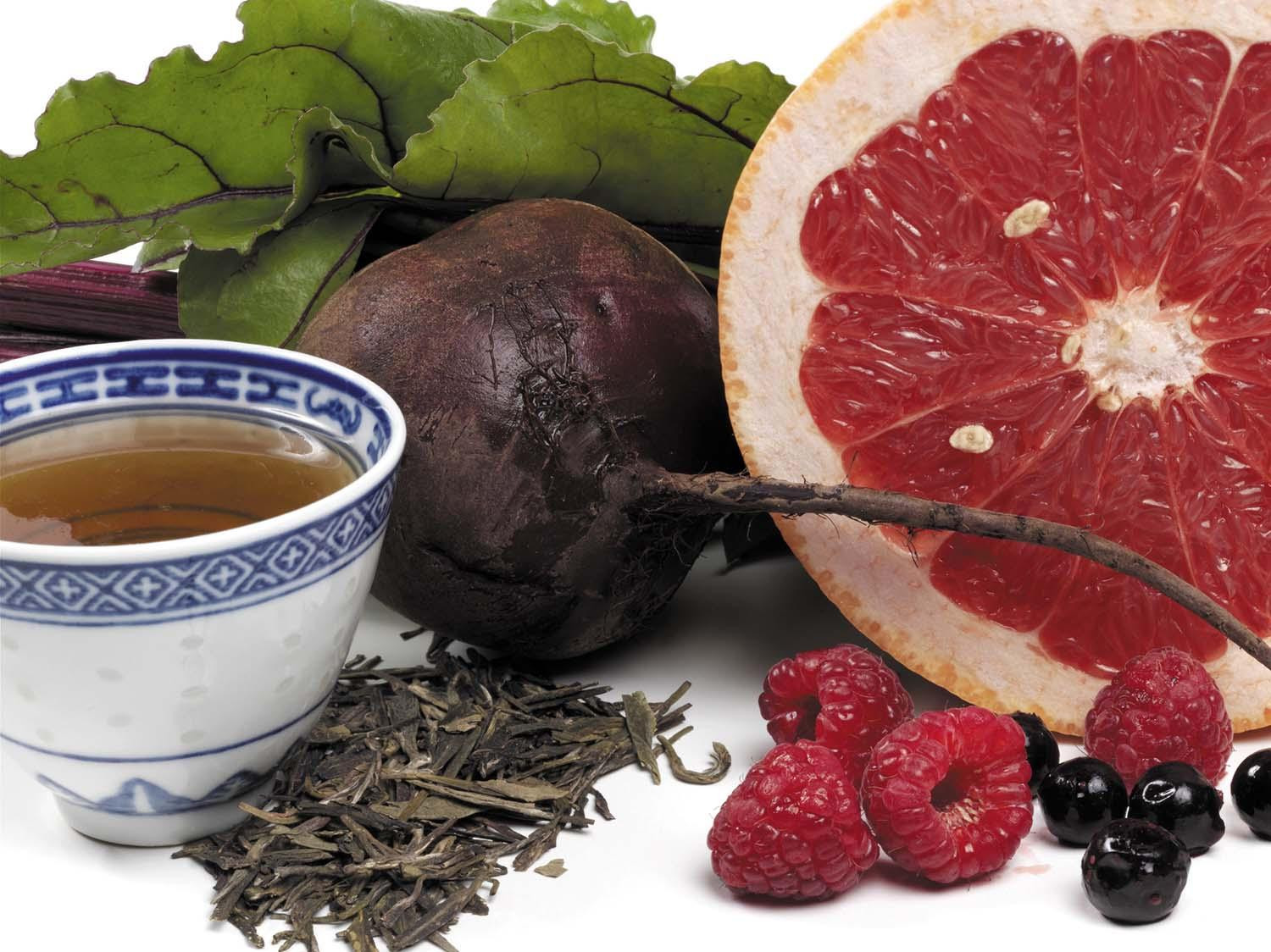
Flavonoid-rich foods may fuel healthier aging
A 2025 study suggests that consuming higher amounts of flavonoids such as berries, apples, oranges, and black tea may promote healthier aging, particularly in women.

Ultra-processed foods linked to poor health outcomes
A 2025 study suggests that eating higher amounts of ultra-processed foods such as chips, frozen pizza, cereal, and other prepackaged items high in unhealthy fats, sugar, and sodium is linked to a host of health problems.

Eggs have less effect than saturated fats on cholesterol levels
A 2025 study found that eating large amounts of saturated fat raised LDL (andamp;ldquo;bad") cholesterol levels in the body but dietary cholesterol from eggs did not.

How the body's internal clocks influence heart health
Circadian rhythms, which are hardwired into nearly every cell of the body, regulate the heart and blood vessels. Disruptions to this rhythm-from shift work, poor sleep, or unhealthy habits-can raise the risk of cardiovascular disease. For example, heart attacks are more likely to occur on Mondays than any other day of the week. That's because people tend to stay up later than usual and then sleep in the next day. On Monday morning, when they have to wake up early again for work, the change may cause subtle changes in blood pressure, hormone secretion, and metabolism that raise heart attack risk.
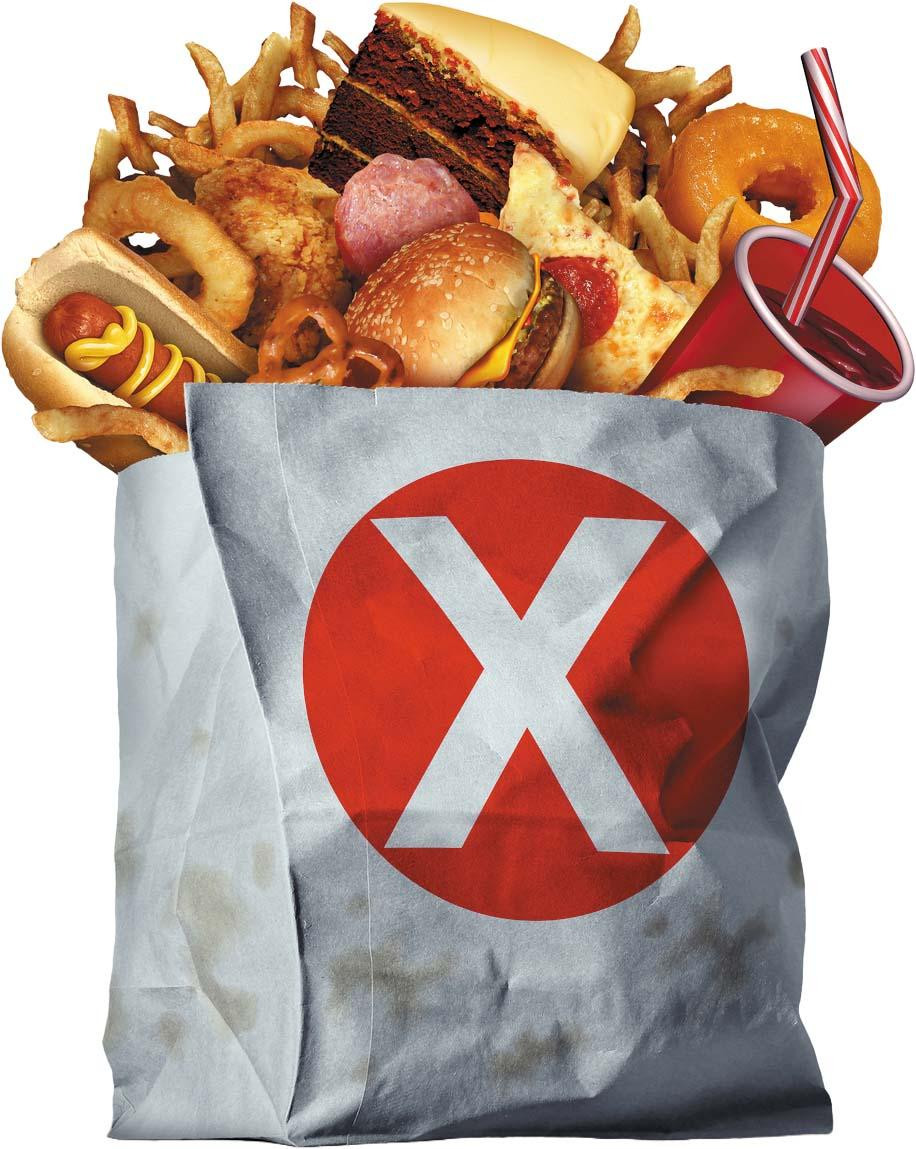
Ultra-processed foods linked to plaque buildup in neck arteries
A diet high in ultra-processed foods is linked to higher burden of fatty plaque in the carotid arteries, according to a 2025 study.
Signs of pneumonia: Sometimes vague and unexpected
Using a vibration plate: What it can — and can't — do for your body
The surprising link between ovarian cancer and the fallopian tubes
People who walk more or walk faster live longer, study finds
For sleep apnea, a dental device may be as effective as CPAP
Rosacea treatments: What works?
Carb cycling: What is it, and does it work?
Salmonella, E. coli, Cyclospora, and other germs that cause food poisoning: What you need to know
Melatonin or magnesium: Can either supplement help you sleep?
Understanding orthorexia: Have your healthy eating goals gone too far?
Free Healthbeat Signup
Get the latest in health news delivered to your inbox!
Sign Up
