

Signs of pneumonia: Sometimes vague and unexpected

Using a vibration plate: What it can — and can't — do for your body

The surprising link between ovarian cancer and the fallopian tubes

People who walk more or walk faster live longer, study finds

For sleep apnea, a dental device may be as effective as CPAP

Rosacea treatments: What works?

Carb cycling: What is it, and does it work?

Salmonella, E. coli, Cyclospora, and other germs that cause food poisoning: What you need to know

Melatonin or magnesium: Can either supplement help you sleep?

Understanding orthorexia: Have your healthy eating goals gone too far?
Healthy Eating Archive
Articles

Mind your heart for a longer, healthier life
Simple, proven strategies to live a longer, healthier life can help people become super-agers, defined as people who reach the age of 70 without any major diseases such as heart disease, cancer, or dementia. These habits include doing strength training to preserve muscle mass, eating a mostly vegetarian diet that provides many healthful nutrients, and prioritizing healthy sleep habits.

Extra-virgin olive oil may be healthier than regular olive oil
A 2025 study found that a high intake of extra-virgin olive oil (EVOO) was linked to a lower risk of heart-related problems, while intake of common olive oil was not. Higher levels of beneficial polyphenols in EVOO may explain the difference.

How ultra-processed foods are made linked to weight gain
A 2025 study suggests that the nature of ultra-processed foods, not the consumption of extra calories from these foods, is what contributes to their association with excess weight gain and a greater risk for obesity.
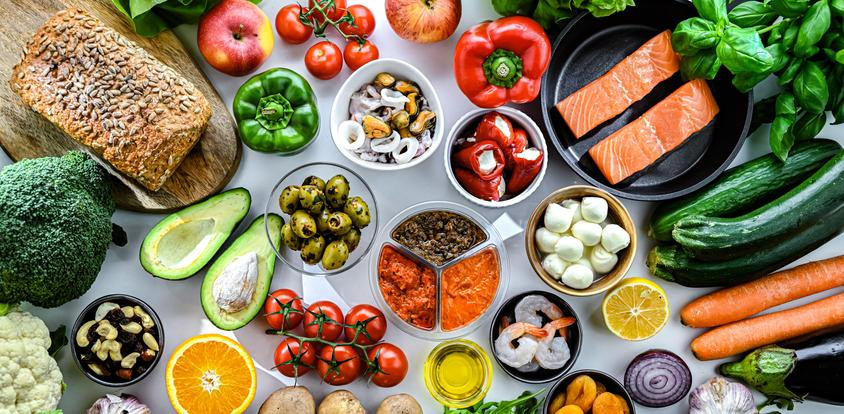
Combining Mediterranean diet with other lifestyle changes offers extra protection against diabetes
In a 2025 study, people who followed a Mediterranean diet, reduced their calorie intake, exercised at least 150 minutes a week, and received weight-loss support lowered their diabetes risk and lost more weight than those who only followed a Mediterranean diet.

How to feed your gut
The gut microbiota contains trillions of microbes, including both good and bad bacteria. Good bacteria help digest food and absorb nutrients, regulate appetite, synthesize vitamins, and support the immune system. When the gut microbiota becomes unbalanced because of an increasing number of bad bacteria, problems can arise. Keeping the gut balanced and healthy involves eating more probiotics (foods containing good bacteria) and prebiotics (foods that help existing good bacteria grow).

Can nasal irrigation help with winter colds and congestion?
Daily nasal irrigation (also called nasal rinses) may reduce symptom severity and the duration of a cold. It can also relieve the congestion caused by sinus infections and allergies. It is unclear whether it can prevent colds. By means of a squeeze bottle, neti pot, or battery-powered system, saline (salt water) is inserted into one nostril and flows out the other. It's important to always use sterile water, meaning distilled or cooled boiled water. The rinse helps wash away mucus and some inflammatory chemicals, reducing the swelling that's responsible for congestion.
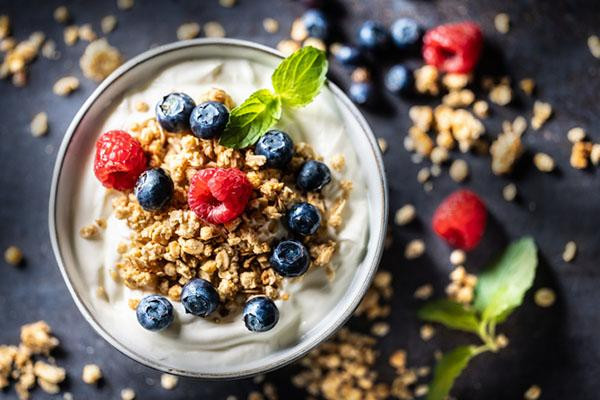
Skipping breakfast may increase risk for metabolic syndrome
In a 2025 study, skipping breakfast was associated with a 10% increased risk for metabolic syndrome, a disorder defined by having three or more of the following: abdominal obesity, high blood pressure, high blood sugar, high triglycerides, and low HDL cholesterol.
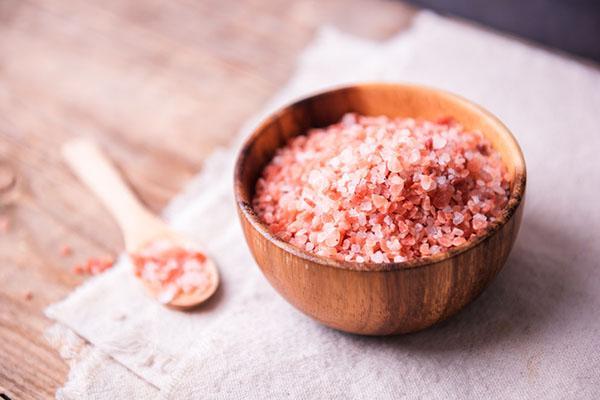
The salts of the earth
Culinary salts such as Himalayan pink salt, kosher salt, fleur de sel, and flaky sea salt can lend a delightful crunch or flavor to foods. However, they consist largely of sodium chloride, just like table salt, and are no healthier. Consuming too much sodium is tied to increased risks for damage to the heart, kidneys, and brain. Dietitians advise using only a small pinch of a fancy salt, perhaps as a garnish or condiment, to satisfy taste buds without going overboard with the salt shaker.
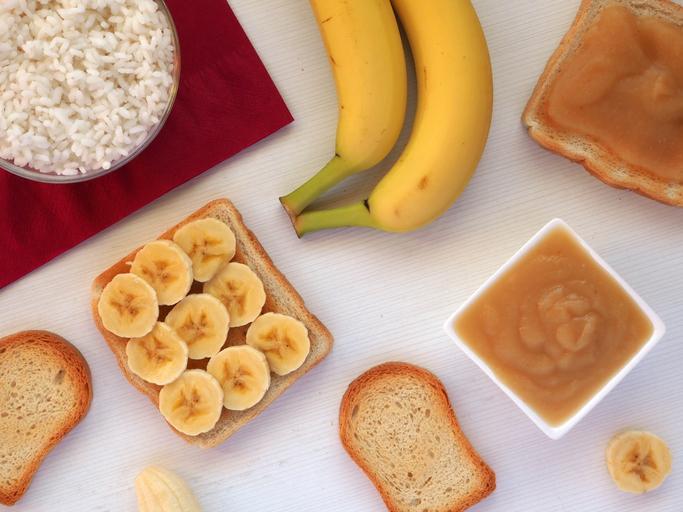
Is the BRAT diet the best choice for an upset stomach?
The BRAT diet - which stands for bananas, rice, applesauce, and toast - has long been recommended for people coping with diarrhea and vomiting. But adding oatmeal, cooked carrots, skinless chicken, and other bland foods is fine and provides nutrients needed to help people recover. People who have an upset stomach should avoid alcohol, caffeine, dairy products, sugary foods, and foods that are deep-fried, acidic, spicy, or high in fiber. They should also be sure to stay hydrated by drinking water, broth, diluted fruit juice, or weak, decaffeinated tea.
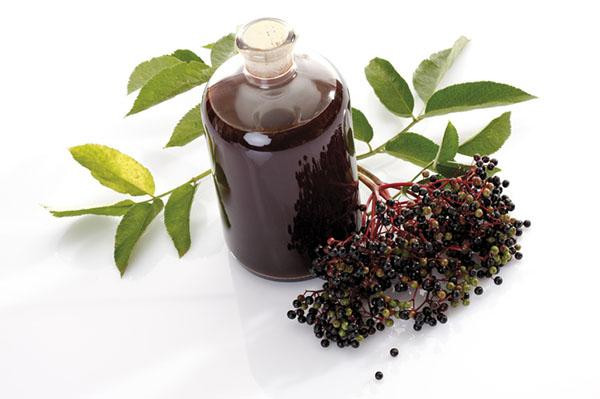
What are the health benefits of elderberry?
Elderberry syrup or tea may help reduce the duration and severity of cold and flu symptoms. But the evidence for these benefits is uncertain, since the studies are small and most did not compare elderberry to standard treatments. Claims that elderberry products can prevent viral infections or boost immunity are unproven. Elderberry supplements appear to be relatively safe; in clinical trials, effects such as nausea, vomiting, or diarrhea were mild and rare.
Signs of pneumonia: Sometimes vague and unexpected
Using a vibration plate: What it can — and can't — do for your body
The surprising link between ovarian cancer and the fallopian tubes
People who walk more or walk faster live longer, study finds
For sleep apnea, a dental device may be as effective as CPAP
Rosacea treatments: What works?
Carb cycling: What is it, and does it work?
Salmonella, E. coli, Cyclospora, and other germs that cause food poisoning: What you need to know
Melatonin or magnesium: Can either supplement help you sleep?
Understanding orthorexia: Have your healthy eating goals gone too far?
Free Healthbeat Signup
Get the latest in health news delivered to your inbox!
Sign Up
