

Signs of pneumonia: Sometimes vague and unexpected

Using a vibration plate: What it can — and can't — do for your body

The surprising link between ovarian cancer and the fallopian tubes

People who walk more or walk faster live longer, study finds

For sleep apnea, a dental device may be as effective as CPAP

Rosacea treatments: What works?

Carb cycling: What is it, and does it work?

Salmonella, E. coli, Cyclospora, and other germs that cause food poisoning: What you need to know

Melatonin or magnesium: Can either supplement help you sleep?

Understanding orthorexia: Have your healthy eating goals gone too far?
Healthy Eating Archive
Articles

Debunking common wellness myths
Many common wellness myths contain a grain of truth but are misleading over all. One wellness myth holds that being thin equates to being healthy, but people who are think can still be unhealthy. Another myth posits that detoxes and cleanses can help people be healthier, but these products don't help and can even be dangerous for some people. Another myth is that eating before bedtime leads to weight gain, but food choice matters more than timing.
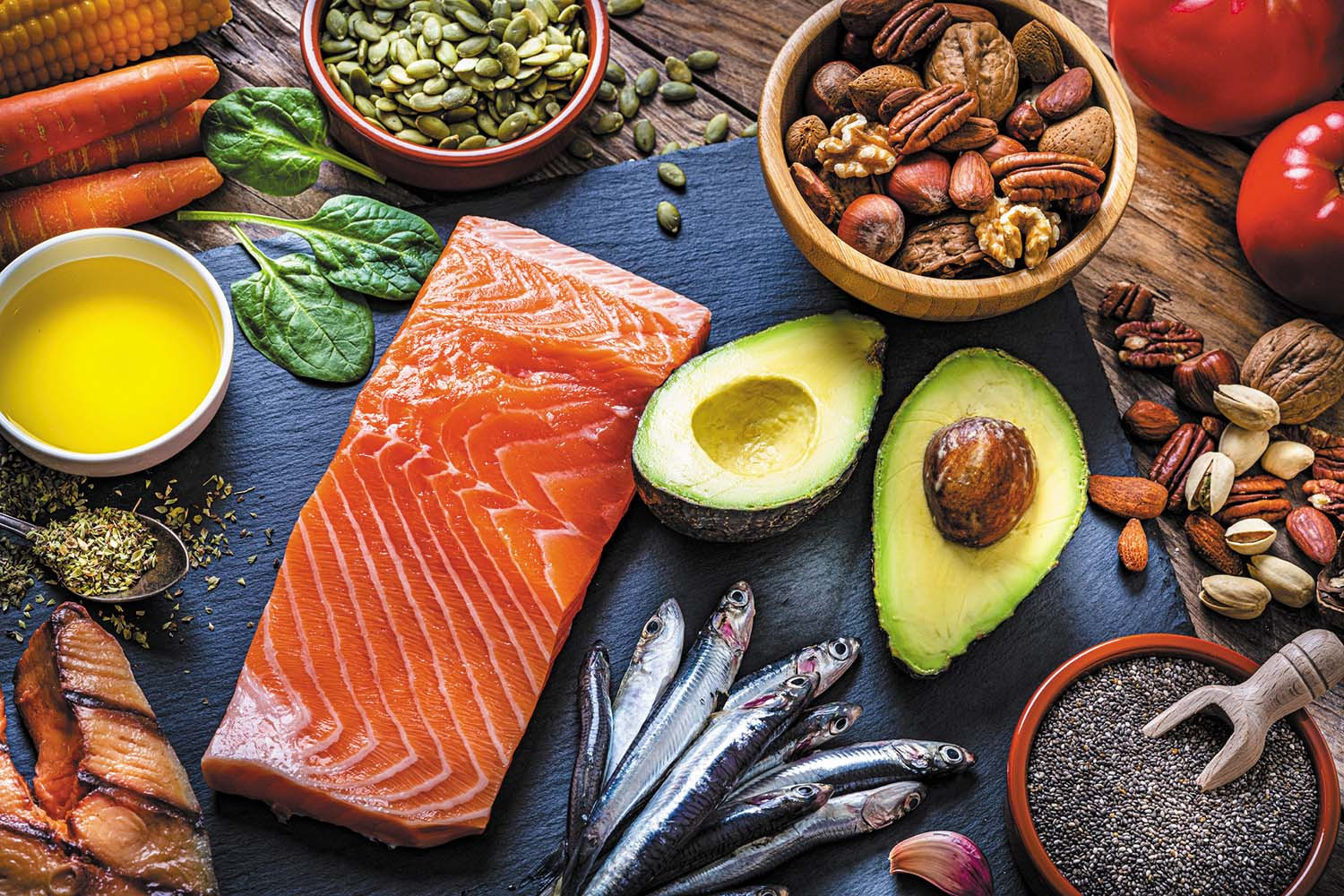
UK study confirms Mediterranean lifestyle benefits
A 2023 study of about 110,000 people in the United Kingdom suggested that those who most adhered to a Mediterranean lifestyle had a 28% lower risk of dying from cancer and a 29% lower risk of dying prematurely from any cause, compared with those who least adhered to the lifestyle.

How a healthy gut helps your heart
Following a plant-based eating pattern and cutting back on highly processed foods can help promote a more diverse, healthier microbiome. A healthy gut microbiome may decrease inflammation that promotes heart disease. Most fruits, vegetables, beans, and whole grains are good sources of prebiotic fiber, which is broken down by gut bacteria to create short-chain fatty acids. These fatty acids are linked to lower inflammation and reductions in other heart disease risk factors.

Saturated fat: How much is okay?
Too much saturated fat tends to raise levels of harmful LDL cholesterol, but limited amounts are not a problem. Eating mostly whole or minimally processed foods can help achieve that goal.


The bitter truth about added sugar
American adults consume an average of 77 grams (almost 20 teaspoons) of sugar per day. A little extra sugar may seem harmless, but the amounts can add up and, over time, contribute to a variety of health issues, like obesity, diabetes, and heart disease. Avoiding high-sugar foods by reading labels and cutting out sugar-sweetened beverages are the best ways to lower intake of added sugar.

Produce prescriptions may promote better heart health
The typical American diet isn't very healthy, and dietary shortfalls are more pronounced among people living in lower-income neighborhoods. A study analyzing data from produce prescription programs suggests that improving access to fresh vegetables and fruits may improve heart health.

The far-reaching effects of a little bit of weight loss
Losing 5% of one's total body weight can result in clinically significant physiologic changes. For example, losing a little weight can reduce heartburn, knee pain, blood pressure, and diabetes risk. Losing 5% of one's body weight may also lead to better sexual function, more restorative sleep, extra energy, and more self-esteem. To reach a 5% reduction in total body weight, it helps to exercise; eat a healthy diet rich in lean proteins, whole grains, fruits, vegetables, legumes, nuts, and seeds; and get enough sleep.

Heart disease risk: Partnering on lifestyle change can help
For people who have risk factors for heart disease, it's important to make lifestyle changes like losing weight, getting more exercise, and eating a healthier diet. Longstanding habits are hard to change, but managing the challenge of healthy eating is easier if people have a partner who is supportive and involved in making food choices.

Getting over the fat phobia
There are several types of dietary fat. Some fats are unhealthy, such as trans fat and saturated fat. Polyunsaturated and monounsaturated fat are healthy.
Signs of pneumonia: Sometimes vague and unexpected
Using a vibration plate: What it can — and can't — do for your body
The surprising link between ovarian cancer and the fallopian tubes
People who walk more or walk faster live longer, study finds
For sleep apnea, a dental device may be as effective as CPAP
Rosacea treatments: What works?
Carb cycling: What is it, and does it work?
Salmonella, E. coli, Cyclospora, and other germs that cause food poisoning: What you need to know
Melatonin or magnesium: Can either supplement help you sleep?
Understanding orthorexia: Have your healthy eating goals gone too far?
Free Healthbeat Signup
Get the latest in health news delivered to your inbox!
Sign Up
