

Whole grains may improve several heart risk factors at once

Light exposure at night may raise risk for heart disease

Children of centenarians may stay healthier and live longer too, study finds

A lumbar belt may help ease low back pain

Signs of pneumonia: Sometimes vague and unexpected

The surprising link between ovarian cancer and the fallopian tubes

Using a vibration plate: What it can — and can't — do for your body

People who walk more or walk faster live longer, study finds

Rosacea treatments: What works?

For sleep apnea, a dental device may be as effective as CPAP
Exercise and Fitness Archive
Articles
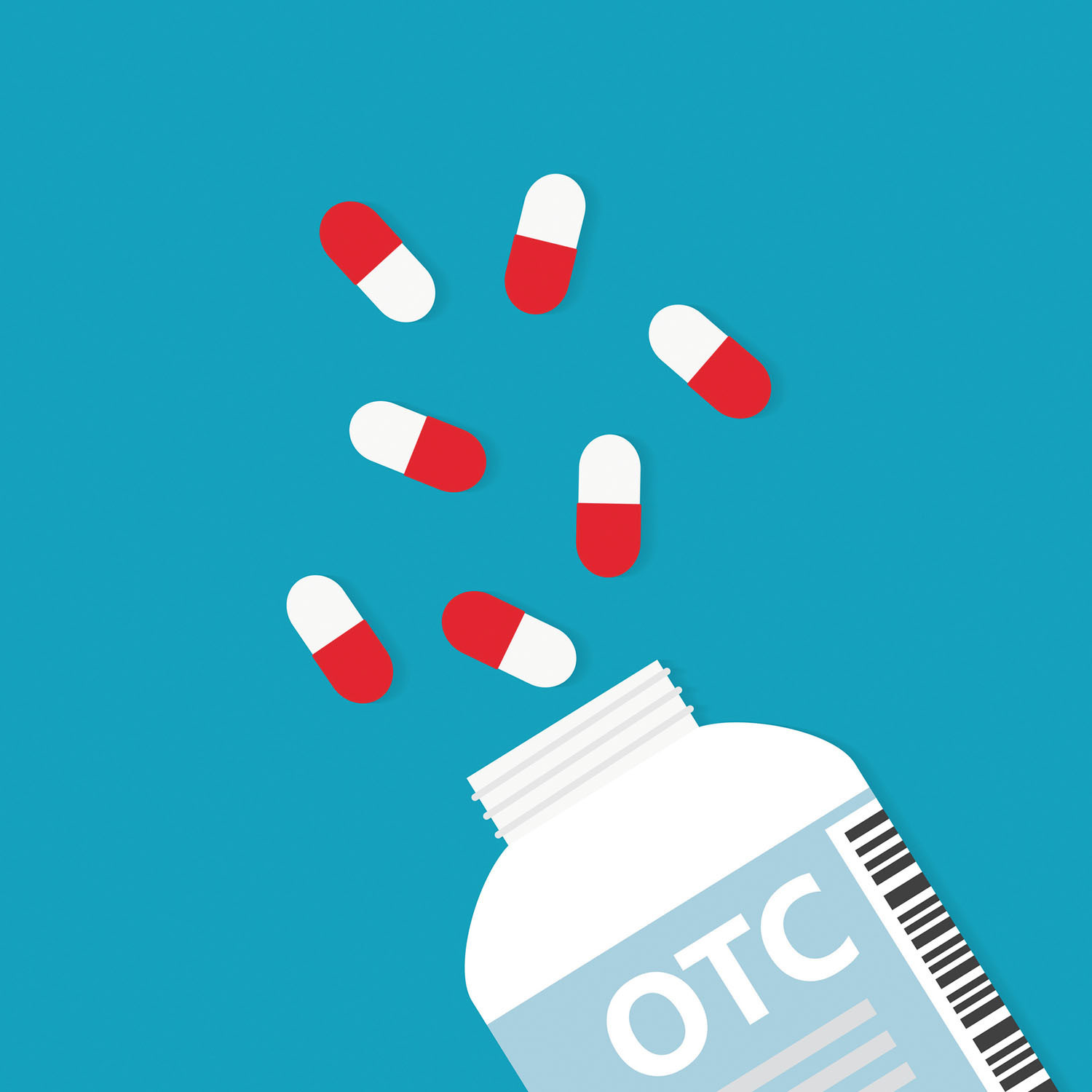
Know your pain relievers
Low back pain? Achy joints? Pulled muscle? One of the easiest remedies is to pop an over-the-counter (OTC) pain reliever. Most of the time, this does the trick. But which type of pain reliever should you take and how do you know when you have overused them?

Better blood pressure control after a stroke may reduce risk of falls
Stroke survivors who take their blood pressure drugs as prescribed may be less likely to experience a serious fall compared with those who don't take their medications on schedule.

What's the minimum amount of exercise I need each week?
A 2022 study involving 72,000 people suggested that those who did even 15 minutes of vigorous activity per week had a 17% lower risk of death from any cause and death from cancer, compared with people who were inactive. With about 50 minutes per week, death from any cause was reduced by 36%. The reduction in risk of death from all causes, and death from cancer, was greatest in the first 40 minutes of vigorous physical activity per week.

Move of the month: Arm curls
Arm curls, which strengthen your biceps, can be done with dumbbells or household items such as cans of soup or water bottles.

Natural disasters strike everywhere: Ways to help protect your health
Increasingly, floods, fires, and extreme weather stemming from climate change are contributing to large-scale health and safety issues for people everywhere. There are steps you and your family can take to help protect your health.

If you use cannabis, do it safely
Cannabis is legal in a growing number of states for adult recreational or medical use, or both. As access expands, here's what to know about safely purchasing and using cannabis products.

Motorcycle rallies and organ donation: A curious connection
Even though motorcycles are riskier than other modes of transportation, the number of motorcycles registered in the US has doubled in the past 20 years. A study examined whether large gatherings of bikers would lead to more fatal accidents and an increase in rates of organ donation.
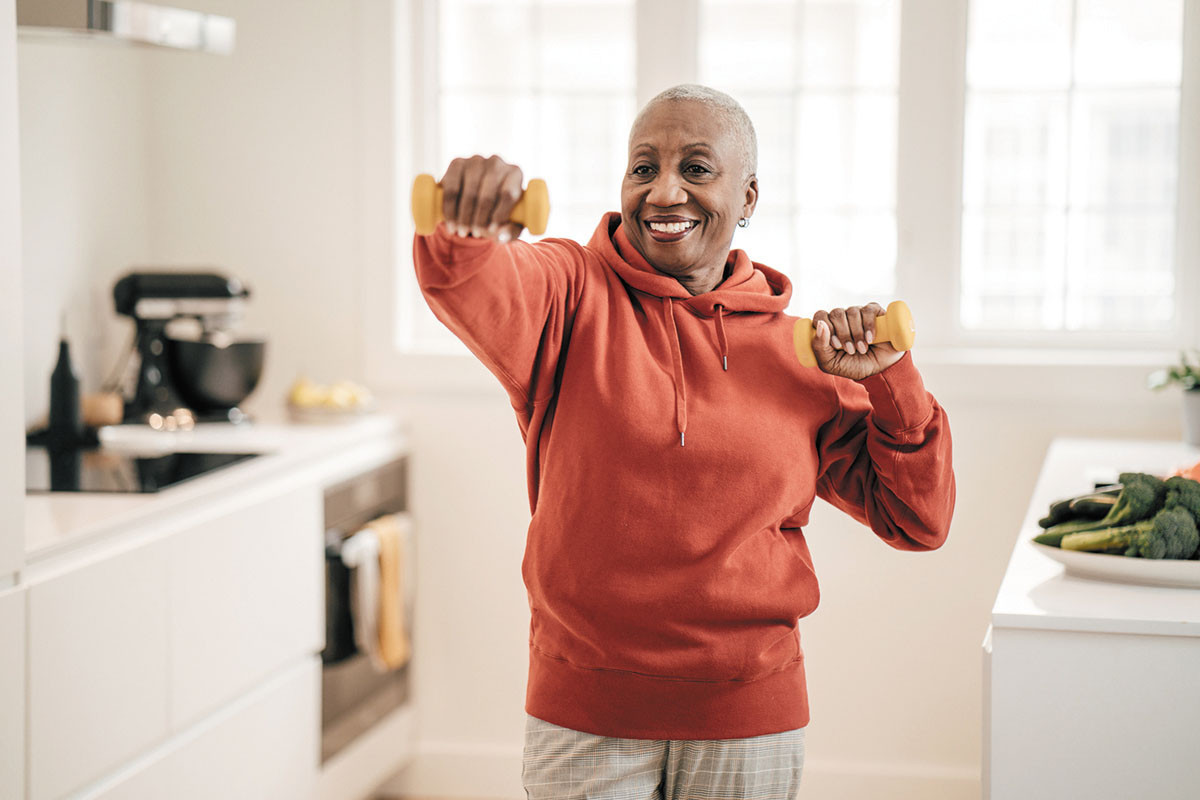
Adding strength training to aerobic exercise may fuel longevity
A 2022 study found that people who did at least two sessions of strength training as well as 2.5 hours of moderate-to-vigorous aerobic activity each week were 30% less likely to die during an eight-year study period, compared with people who did less strength training.

Reclaim your pre-pandemic function
Many people have become deconditioned and lost some physical function as a result of inactivity during the pandemic. This may be causing them to change their habits, patterns, and activities because they don't think they can do them or don't feel like doing them anymore. People who've lost physical function as a result of inactivity can take several steps to get function back. Examples include setting goals, tracking activity, getting help from a physical therapist, adding weight training to an exercise regimen, exercising with a friend, and not giving up.

The many ways exercise helps your heart
Aerobic and muscle-building exercises can trigger physiological changes that improve blood vessels and metabolism in ways that help prevent all the major risk factors that contribute to heart disease. These include high blood pressure, diabetes, obesity, and unhealthy cholesterol levels. Exercise can also improve mental health problems such as depression and stress, which are common but underrecognized risks for heart disease.
Whole grains may improve several heart risk factors at once
Light exposure at night may raise risk for heart disease
Children of centenarians may stay healthier and live longer too, study finds
A lumbar belt may help ease low back pain
Signs of pneumonia: Sometimes vague and unexpected
The surprising link between ovarian cancer and the fallopian tubes
Using a vibration plate: What it can — and can't — do for your body
People who walk more or walk faster live longer, study finds
Rosacea treatments: What works?
For sleep apnea, a dental device may be as effective as CPAP
Free Healthbeat Signup
Get the latest in health news delivered to your inbox!
Sign Up
