

Whole grains may improve several heart risk factors at once

Light exposure at night may raise risk for heart disease

Children of centenarians may stay healthier and live longer too, study finds

A lumbar belt may help ease low back pain

Signs of pneumonia: Sometimes vague and unexpected

The surprising link between ovarian cancer and the fallopian tubes

Using a vibration plate: What it can — and can't — do for your body

People who walk more or walk faster live longer, study finds

Rosacea treatments: What works?

For sleep apnea, a dental device may be as effective as CPAP
Exercise and Fitness Archive
Articles

The trouble with new drugs
After a drug is approved by the FDA, unexpected safety problems may be discovered. Depending on the level of concern, different safety warnings may be issued –– including a black box warning designed to call attention to serious or life-threatening side effects.

The BEEP program: Keep your balance
As people get older, the complex system that helps them maintain balance does not work as effectively, increasing the risk of a fall. A study found that specific exercises can improve balance in older adults.

Finding balance: 3 simple exercises to steady your steps
Being able to maintain balance is crucial to performing everyday activities. As people get older, systems in the body that help maintain balance aren't as responsive as when they were younger. Practicing these exercises designed to improve balance helps build steadiness and prevent falls.

Safe, joyful movement for people of all weights
A new study finds that many people with obesity avoid exercising because they fear their weight makes injury more likely. But everyone, at every weight, can find ways to exercise safely, confidently, and joyfully.

Adding yoga to aerobic exercise may help lower high blood pressure
Adding 15 minutes of yoga to regular exercise sessions can help people lower their high blood pressure more than just doing exercise and basic muscle stretching.

Taking up adaptive sports
People with disabilities or physical limitations can still stay active and get the recommended amount of exercise by participating in adaptive sports and activities. These often run parallel to traditional endeavors but are modified to support an individual's needs. Popular choices include cycling, skiing, archery, kayaking, rowing, tennis, bowling, swimming, basketball, and golf.

Watch out for bogus supplement claims
In November 2022, the FDA called out seven supplement companies for illegally claiming their products could treat or prevent cardiovascular disease, such as atherosclerosis or heart failure.
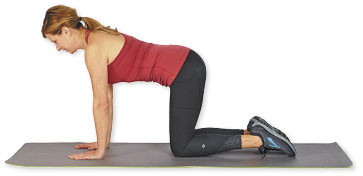
Move of the month: Opposite arm and leg raise
The core muscles include those of the abdomen, lower back, front of hips, and spine. Many popular sports such as cycling, golf, tennis, and swimming depend on a stable, flexible core.

Exercising when you have a heart condition
For people with all types of cardiovascular disease, regular exercise helps prevent the disease from getting worse. Even very short exercise stints can make a difference. Many people with heart disease qualify for cardiac rehabilitation, which includes an exercise stress test that shows how your heart and body respond to exertion. The results can inform recommendations for safe, effective physical activity.

Age and muscle loss
As the years pass, muscle mass in the body generally shrinks, and strength and power decline. The process begins earlier than you might think.
Whole grains may improve several heart risk factors at once
Light exposure at night may raise risk for heart disease
Children of centenarians may stay healthier and live longer too, study finds
A lumbar belt may help ease low back pain
Signs of pneumonia: Sometimes vague and unexpected
The surprising link between ovarian cancer and the fallopian tubes
Using a vibration plate: What it can — and can't — do for your body
People who walk more or walk faster live longer, study finds
Rosacea treatments: What works?
For sleep apnea, a dental device may be as effective as CPAP
Free Healthbeat Signup
Get the latest in health news delivered to your inbox!
Sign Up
