

Whole grains may improve several heart risk factors at once

Light exposure at night may raise risk for heart disease

Children of centenarians may stay healthier and live longer too, study finds

A lumbar belt may help ease low back pain

Signs of pneumonia: Sometimes vague and unexpected

The surprising link between ovarian cancer and the fallopian tubes

Using a vibration plate: What it can — and can't — do for your body

People who walk more or walk faster live longer, study finds

Rosacea treatments: What works?

For sleep apnea, a dental device may be as effective as CPAP
Exercise and Fitness Archive
Articles

Reviewing your wellness portfolio
As with a financial portfolio, older adults should routinely review their wellness portfolio to ensure their health investments meet their short-and long-term goals. Working with their doctor, personal trainer, and nutritionist, they can identify areas that require changes and implement new strategies. Older men often don't make investments in strength training, balance, and their mental health, but should.

Americans' use of prescription sleep medications drops dramatically
A 2022 study found a 31% reduction in Americans' use of prescription sleep aids from 2013 to 2018. The drop-off was even sharper among people 80 and older, who were 86% less likely to use FDA-approved sleep drugs by the end of the study period.
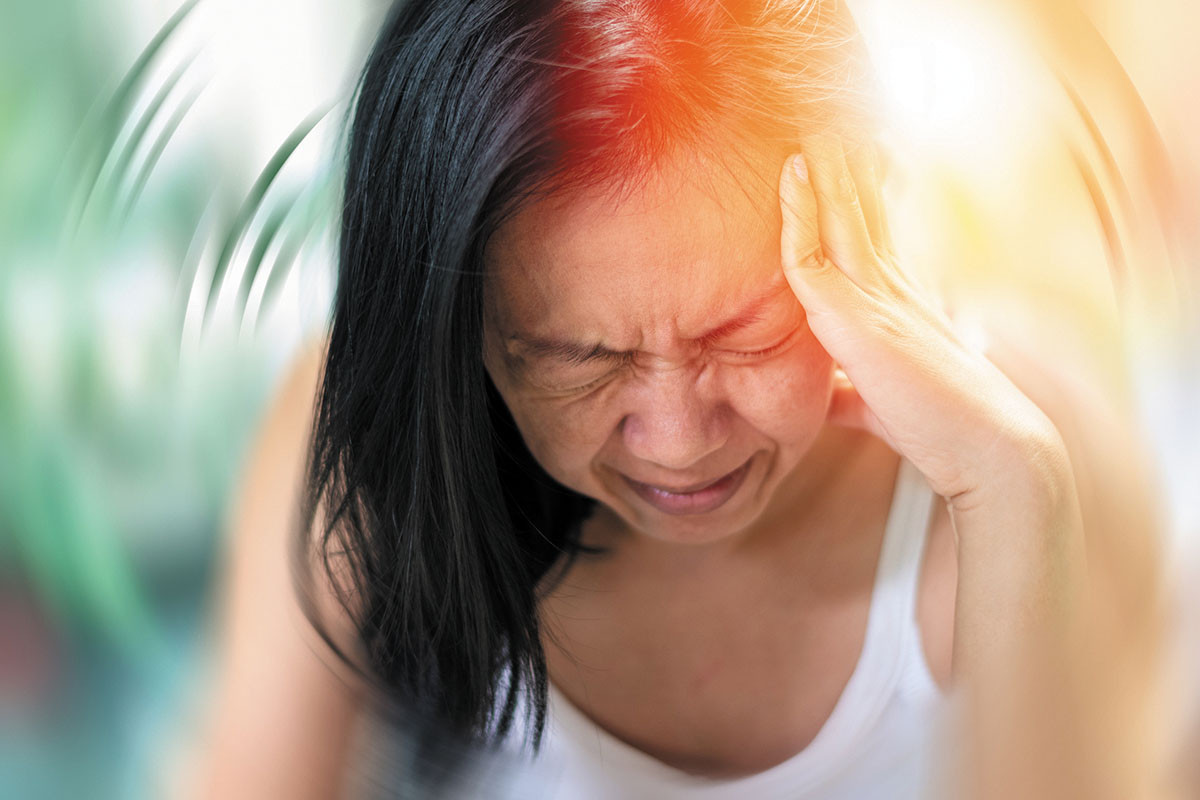
How can I tell if I have a concussion?
Concussions occur when the brain bumps or twists inside the skull after a blow to the head. Signs of concussion include headache, eye pain or fatigue, neck pain or stiffness, imbalance, impaired depth perception, difficulty remembering, or sleep pattern changes.

Don't be the fall guy
Every second, someone age 65 or older suffers a fall, making it the No. 1 cause of injury-related death among this age group. The best way for older adults to protect themselves is to address the three main physical conditions that contribute to falls: weak stabilizer muscles, poor core strength, and balance issues. They can do this by improving their side-to-side motion through specific exercises and playing racquet sports, doing abdominal exercises, and practicing tai chi.

Cold-weather cautions
Wintertime can pose challenges to cardiovascular health. Cold temperatures can cause arteries to narrow, which can leave people with heart disease vulnerable to angina or heart attacks, especially during physical exertion. Changes in sleep, eating, and exercise habits related to the season may also affect the heart. Crowded indoor gatherings also raise a person's risk for respiratory infections, which can exacerbate heart disease.

Rethinking cardio exercise
Standard guidelines recommend at least 150 minutes per week of moderate-intensity aerobic exercise. But many older adults have trouble reaching this mark, as they either don't enjoy aerobic workouts or have physical or medical issues that make traditional cardio exercise a challenge. Breaking down the weekly requirements into smaller daily segments and trying a variety of activities that can qualify as moderate intensity can help people meet their exercise needs.

The best exercises for your warm-up
Warm-ups prepare the body for the physical demands of a workout or sports. They should be tailored to the types of activities that are about to be performed. For a strengthening routine or moderate-intensity activity (such as brisk walking), marching in place for a few minutes makes an effective warm-up. For vigorous physical activity, such as swimming or playing tennis, or for activity involving strenuous physical movements, such as golf, a more extensive warm-up is necessary. For example, a golf warm-up should include marching in place and movements that gently swing the arms and trunk.

Programs to sharpen your driving skills
Several types of programs can make driving safer for older drivers. A Car-Fit evaluation helps improve the way a driver fits in a vehicle. A driving refresher course helps drivers stay up to date on driving techniques, laws, and vehicle safety technology. A formal driving assessment evaluates a person's physical and mental health and driving ability on the road. Driver rehabilitation provides training for people to use adaptive driving equipment, practice driving in challenging conditions, and develop safe driving habits.

What's the relationship between memory loss and driving?
Alzheimer's disease and other forms of dementia affect all the regions of the brain involved in driving, but whether or not a person should give up driving depends on the severity of the disease and the specific cognitive abilities that are impaired.

What do food freshness labels really mean?
Food freshness dates rarely mean products are unsafe after the date listed. Refrigerated items usually keep for days to weeks, while canned and boxed goods often keep longer.
Whole grains may improve several heart risk factors at once
Light exposure at night may raise risk for heart disease
Children of centenarians may stay healthier and live longer too, study finds
A lumbar belt may help ease low back pain
Signs of pneumonia: Sometimes vague and unexpected
The surprising link between ovarian cancer and the fallopian tubes
Using a vibration plate: What it can — and can't — do for your body
People who walk more or walk faster live longer, study finds
Rosacea treatments: What works?
For sleep apnea, a dental device may be as effective as CPAP
Free Healthbeat Signup
Get the latest in health news delivered to your inbox!
Sign Up
