










GLP-1 weight-loss drugs may lower the need for knee replacement
News briefs
- Reviewed by Robert H. Shmerling, MD, Senior Faculty Editor, Harvard Health Publishing; Editorial Advisory Board Member, Harvard Health Publishing
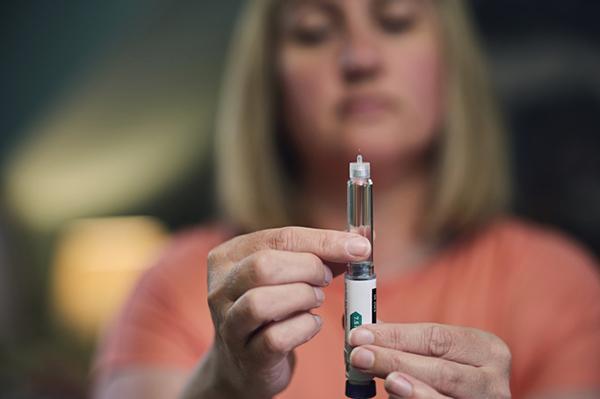
The GLP-1 drugs, which include semaglutide (Ozempic, Rybelsus, Wegovy) and tirzepatide (Mounjaro, Zepbound), are turning out to have effects that go beyond shedding pounds and controlling diabetes. For one, they may allow people with knee osteoarthritis to avoid or delay knee replacement surgery. This was the finding of a study published online June 2, 2026, by Regional Anesthesia & Pain Medicine.
Previous studies have found that the use of these drugs may help relieve knee pain caused by arthritis, likely because losing weight takes excess stress off the knees. For this study, researchers wanted to find out whether people with knee osteoarthritis who took these drugs were less likely to undergo knee replacement surgery. Drawing on a large health database, they identified tens of thousands of adults with knee osteoarthritis, some of whom took GLP-1 drugs and others who did not. Some of them took one of the older GLP-1 drugs, such as liraglutide (Saxenda, Victoza), dulaglutide (Trulicity), exenatide (Byetta), or lixisenatide (Adlyxin). Others used newer drugs, such as semaglutide or tirzepatide.
When the researchers compared those who took a GLP-1 drug with those who did not, use of any GLP-1 drug for one or three years was linked to a lower chance of having a total knee replacement. The greatest reduction was among those who took semaglutide or tirzepatide for three years. This group had nearly 5% fewer knee replacements over eight years.
Having a lower body weight means there’s less force on the knee joints, which may account for at least some of the difference. However, it appears that GLP-1 drugs may have other beneficial effects on joints, such as anti-inflammatory and pain-relieving properties. This continues to be studied.
Meanwhile, for people with overweight or obesity, weight loss itself — whether through diet, exercise, drugs, or bariatric surgery — has consistently been shown to help relieve the symptoms of knee osteoarthritis.
Image: © Jon Challicom/Getty Images
About the Author

Lynne Christensen, Staff Writer
About the Reviewer

Robert H. Shmerling, MD, Senior Faculty Editor, Harvard Health Publishing; Editorial Advisory Board Member, Harvard Health Publishing
Disclaimer:
As a service to our readers, Harvard Health Publishing provides access to our library of archived content. Please note the date of last review or update on all articles.
No content on this site, regardless of date, should ever be used as a substitute for direct medical advice from your doctor or other qualified clinician.


