

Whole grains may improve several heart risk factors at once

Light exposure at night may raise risk for heart disease

Children of centenarians may stay healthier and live longer too, study finds

A lumbar belt may help ease low back pain

Signs of pneumonia: Sometimes vague and unexpected

The surprising link between ovarian cancer and the fallopian tubes

Using a vibration plate: What it can — and can't — do for your body

People who walk more or walk faster live longer, study finds

Rosacea treatments: What works?

For sleep apnea, a dental device may be as effective as CPAP
Exercise and Fitness Archive
Articles

Three moves for functional fitness
Older adults can benefit from functional fitness exercises—those that focus on the muscles needed for basic everyday actions, like squatting, bending, reaching, and twisting. An all-around exercise routine that addresses the major muscle groups is ideal for improving functional fitness. Still, people should add specific exercises that mimic basic movements, such as getting up and down from the ground or a seated position, bending down and lifting objects, and carrying heavy or bulky items.

Why don't more people know CPR?
Fewer than half of people who experience cardiac arrest outside of a hospital receive CPR from someone nearby. Shorter, more accessible training and help from technology may encourage more people to learn and administer this lifesaving technique. Another potential barrier to performing CPR is not recognizing the symptoms of cardiac arrest. Common mistakes include pressing down on the stomach instead of the center of the chest, not compressing the chest deeply enough, or giving compressions that are either too fast or too slow.

Waist trainers: What happens when you uncinch?
Splashy advertisements suggest that compression devices called waist trainers can help you sculpt inches off your waistline. The claims far outweigh the evidence, but exercises that strengthen core muscles can also help shape your waist.
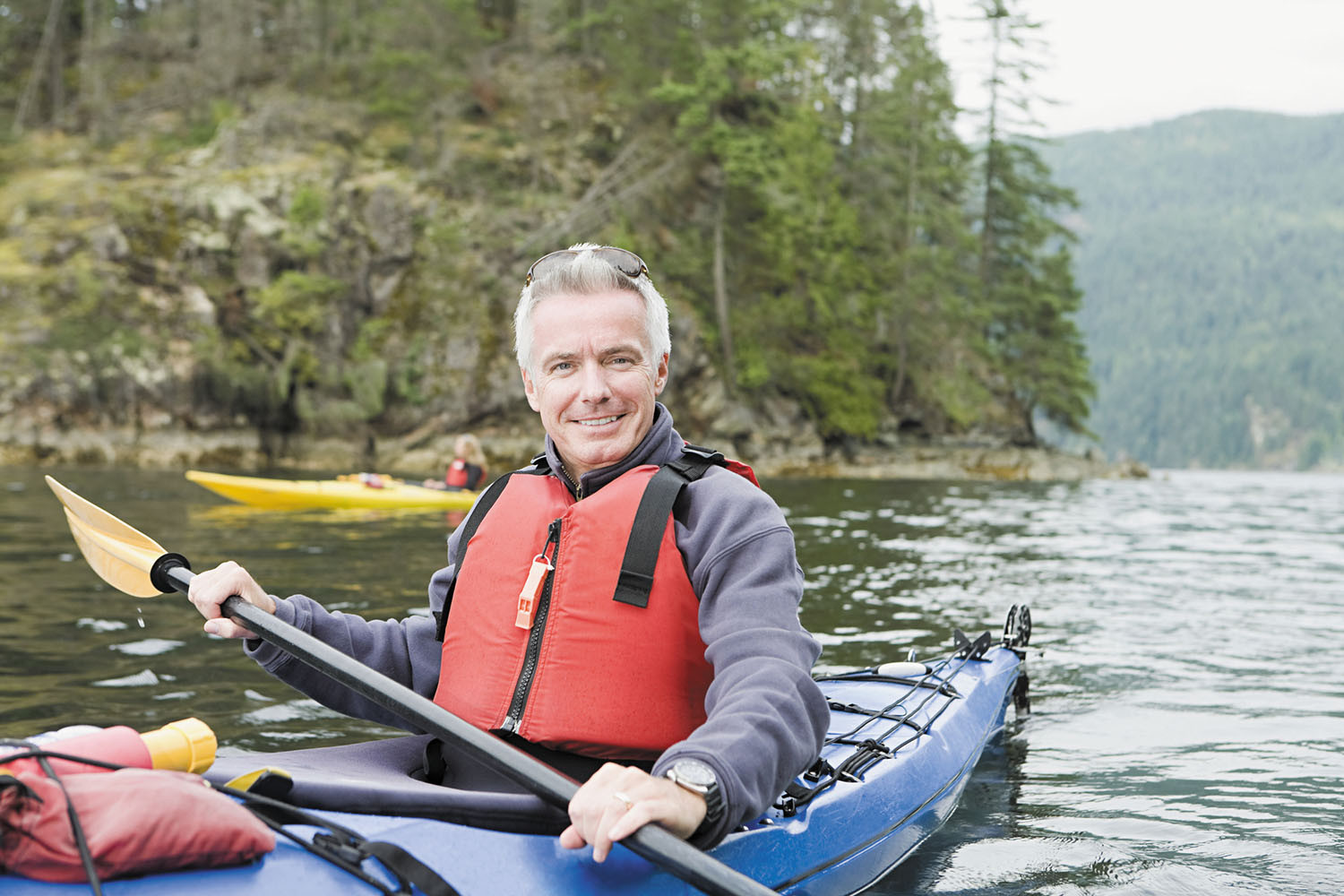
Grab your paddle
Paddle sports, like canoeing, kayaking, and paddleboarding, tone muscles in the back, shoulders, arms, and core to help make everyday movement easier and safer. Plus, water activities get people to interact with nature, which can boost their mental and emotional health. Begin by signing up for individual or group paddling lessons where all equipment is provided. The experience teaches you the basics, like how to paddle and safely get in and out of the boat, and other rules and etiquette.

Stronger body, healthier heart?
Doing 30 to 60 minutes per week of strength training exercises is linked to a lower risk of premature death in general, and from heart disease in particular. Regular strength training may improve heart health by lowering the risk of blood pressure and metabolic syndrome. Body-weight exercises such as standing lunges and bench push-ups are a convenient way to build muscle because they can be done anywhere, without the need for special exercise equipment.


Rowing or paddling after age 60
Water sports that use oars or paddles are effective forms of exercise with many health benefits. However, the sports may pose health risks, especially after age 60. The sports have a repetitive component to them. Paddling can stress the shoulder tendons. Rowing can lead to low back strains. Neither sport would be a good idea for people with tendinitis at the shoulder, elbow, or wrist; a diagnosed back problem such as a disc injury or spinal stenosis; or a previous back surgery.

Another benefit of exercise: Eye comfort
Vigorous exercise may improve dry, itchy eyes by boosting tear production and quality.

Warning about portable electronics for people with heart devices
Some portable electronic devices—including Apple AirPod charging cases and certain smartphones—contain strong magnets that can interfere with the function of an implantable cardioverter-defibrillator.
Whole grains may improve several heart risk factors at once
Light exposure at night may raise risk for heart disease
Children of centenarians may stay healthier and live longer too, study finds
A lumbar belt may help ease low back pain
Signs of pneumonia: Sometimes vague and unexpected
The surprising link between ovarian cancer and the fallopian tubes
Using a vibration plate: What it can — and can't — do for your body
People who walk more or walk faster live longer, study finds
Rosacea treatments: What works?
For sleep apnea, a dental device may be as effective as CPAP
Free Healthbeat Signup
Get the latest in health news delivered to your inbox!
Sign Up
