

Whole grains may improve several heart risk factors at once

Light exposure at night may raise risk for heart disease

Children of centenarians may stay healthier and live longer too, study finds

A lumbar belt may help ease low back pain

Signs of pneumonia: Sometimes vague and unexpected

The surprising link between ovarian cancer and the fallopian tubes

Using a vibration plate: What it can — and can't — do for your body

People who walk more or walk faster live longer, study finds

Rosacea treatments: What works?

For sleep apnea, a dental device may be as effective as CPAP
Exercise and Fitness Archive
Articles

Meeting your exercise goals online
The COVID-19 pandemic shut down many gyms, spawning new online fitness class options that included Spin, Pilates, dance, and yoga. Maintaining an exercise routine during the pandemic offered multiple physical and mental health benefits by boosting mood-related brain chemicals and enhancing sleep. People exercising virtually could stay fit and maintain contact with others without risk of COVID infection. Even beyond pandemic-related concerns, virtual workouts can offer convenience, variety, privacy, and a sense of shared experience.

Get a lift from body-weight workouts
Body-weight exercises are ideal substitutes for regular workouts when people are short on time or looking to shake up their usual routine. These types of exercises are not only versatile—as they can be done anytime, anywhere, without any equipment— but they also help improve everyday movements by activating the smaller stabilizing muscles that sometimes get missed when a person uses gym machines or dumbbells.

Do activity trackers make us exercise more?
Activity trackers appear to motivate people to walk 40 more minutes per day, resulting in about two pounds of weight loss per person over time, according to an analysis published in the August 2022 issue of Lancet Digital Health.

Asking about guns in houses where your child plays
Between 2015 and 2020, there were more than 2,000 unintentional shootings in the US by children under 18. Parents can help reduce the chance of an accidental shooting by asking about gun security at homes where their children play.
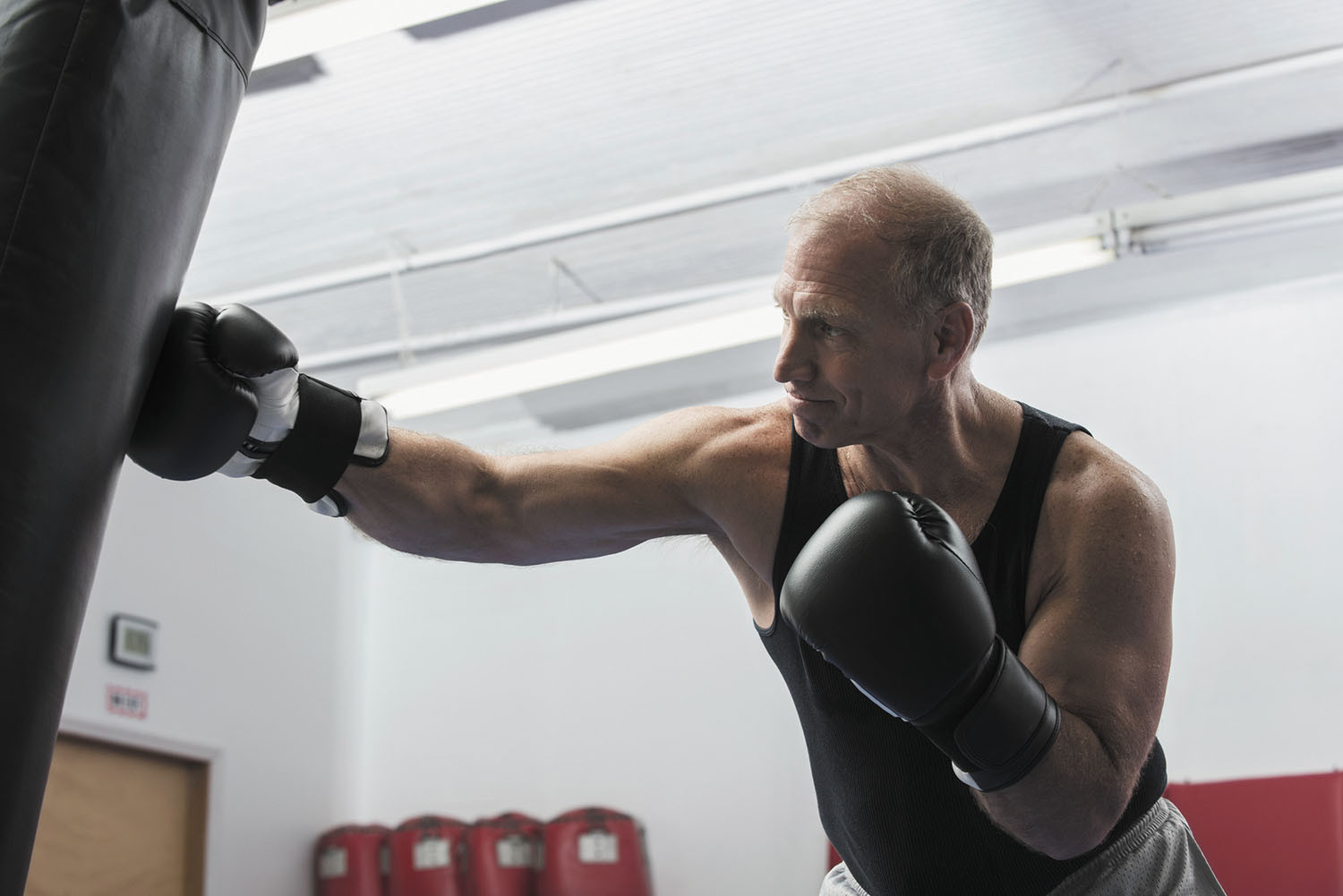
Punch up your fitness
Non-contact boxing has been shown to help many people with Parkinson's disease improve their balance, hand-eye coordination, mental focus, muscle strength, and body rhythm. Older adults also can benefit from this type of exercise, as they face many of the same physical and mental challenges as they age. Most boxing fitness workouts are done using punching bags and hitting oversized boxing mitts worn by coaches. The moves involve punches and sequences based on crosses, hooks, uppercuts, and jabs.

Better balance may mean a longer life
Being unable to stand on one leg for 10 seconds in middle and later life is associated with a sharply increased risk of premature death, according to a study published online June 21, 2022, by the British Journal of Sports Medicine.

Do you fall down when you stand up?
People with orthostatic hypotension experience a drop in blood pressure when they stand, which increases the risk for falls. Ways to manage the condition include keeping up blood volume by taking in at least 3 liters of fluid and 4 to 6 grams of salt per day; taking medication to alleviate lightheadedness; avoiding hot environments; getting up slowly from a sitting or standing position; and sleeping with the bed on a slant. Someone who feels lightheaded upon standing should sit down immediately. If that's not possible, it may help to tense the muscles.

Hybrid exercise training
Hybrid exercise training combines heart-pumping aerobic action with muscle-strengthening moves in the same exercise session. The strategy has the advantage of meeting two key goals of the federal Physical Activity Guidelines in one fell swoop. And it also appears to be one of the best—and most time-efficient—ways for people who are overweight to lower their risk of cardiovascular-related risk factors. Strong muscles boost a person's basal metabolic rate—the amount of energy the body needs to keep working during rest. That improves weight-loss efforts by ramping up the number of calories burned.

Are you headed for a fall?
Cardiovascular conditions can increase a person's risk of falling. Such falls are usually related to a lack of blood flow to the brain that causes a person to faint. The most common cause is orthostatic hypotension, but severe aortic stenosis and the heart rhythm disorder known as atrial fibrillation can also cause a person to faint. Other falls may result from cerebral microvascular disease, a type of blood vessel damage in the brain that develops over time.

Whole grains may improve several heart risk factors at once
Light exposure at night may raise risk for heart disease
Children of centenarians may stay healthier and live longer too, study finds
A lumbar belt may help ease low back pain
Signs of pneumonia: Sometimes vague and unexpected
The surprising link between ovarian cancer and the fallopian tubes
Using a vibration plate: What it can — and can't — do for your body
People who walk more or walk faster live longer, study finds
Rosacea treatments: What works?
For sleep apnea, a dental device may be as effective as CPAP
Free Healthbeat Signup
Get the latest in health news delivered to your inbox!
Sign Up
