

Light exposure at night may raise risk for heart disease

Whole grains may improve several heart risk factors at once

A lumbar belt may help ease low back pain

Children of centenarians may stay healthier and live longer too, study finds

Signs of pneumonia: Sometimes vague and unexpected

The surprising link between ovarian cancer and the fallopian tubes

Using a vibration plate: What it can — and can't — do for your body

People who walk more or walk faster live longer, study finds

For sleep apnea, a dental device may be as effective as CPAP

Rosacea treatments: What works?
Breast Cancer Archive
Articles


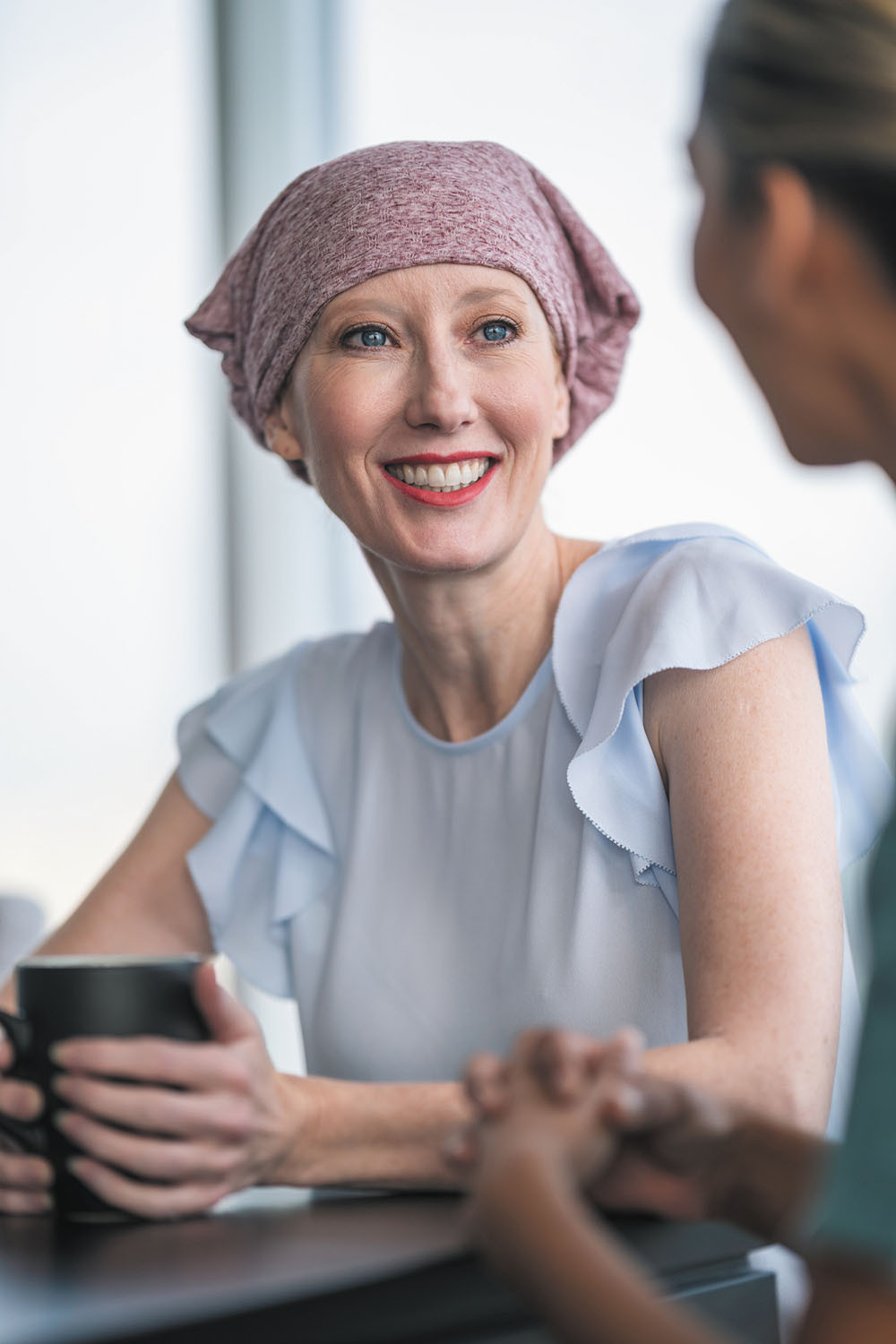
Cancer death rates continue to decline
Research we're watching
According to a report published March 12 in the journal Cancer, the rate of death from cancer has continued to decline in the United States, dropping on average 1.5% a year from 2001 to 2017. The decline showed up for all ethnic and age groups between 2013 and 2017. The findings were based on cancer incidence data collected by the CDC and the National Cancer Institute.
But not all news was good: the number of new cancer diagnoses in women rose slightly during 2012 to 2016. A more detailed look at cancer deaths among women found a drop in cancer deaths for a majority of the most common cancers, including breast cancer, melanoma, lung cancer, and colorectal cancer. But deaths in women increased when it came to uterine, brain, liver, heart, and pancreatic cancer.
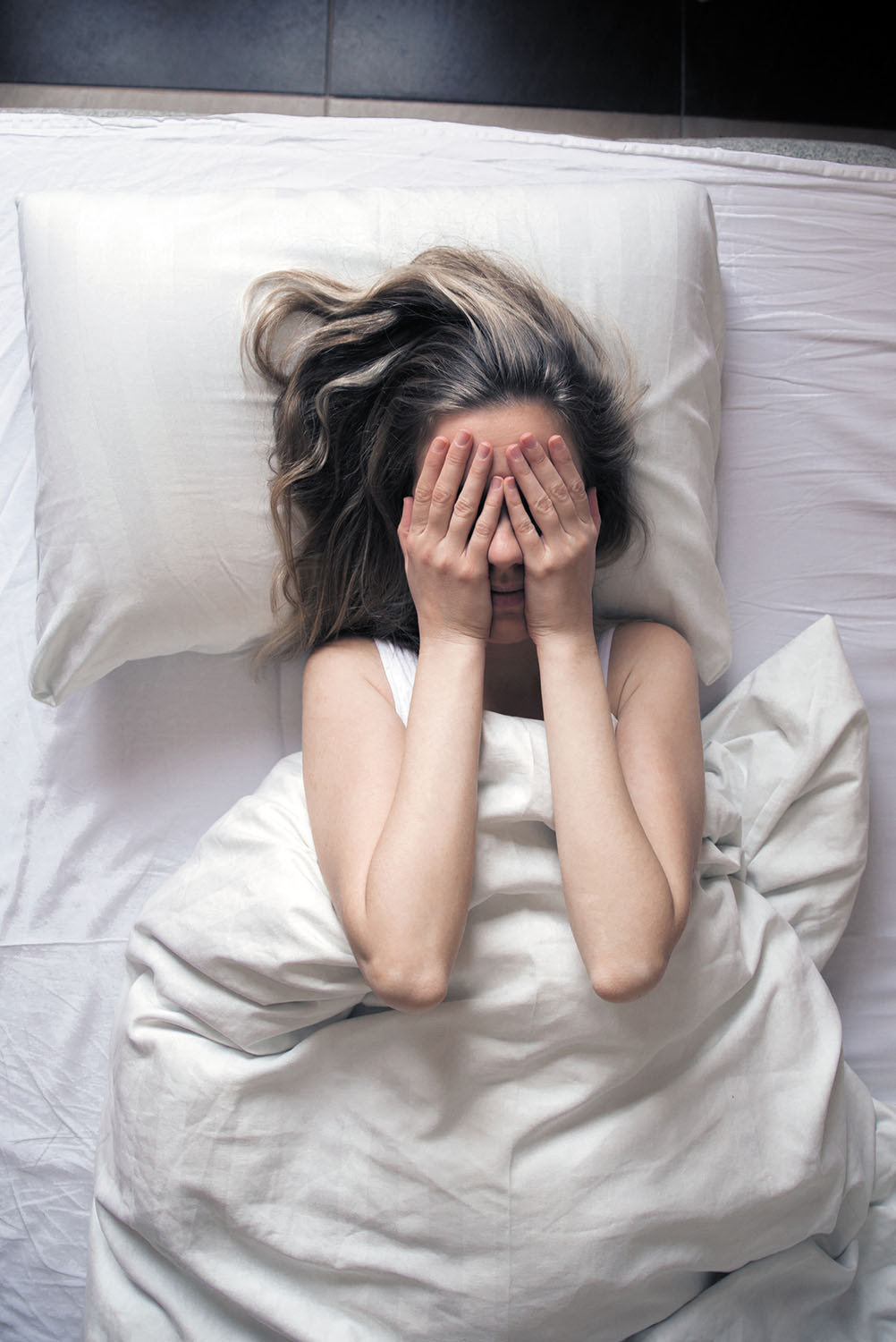
In search of sleep
Many women making the transition to menopause have trouble sleeping. Several strategies can help you get the rest you need.
If you're a woman of a certain age and you often find yourself staring at the ceiling in the middle of the night, you're not alone. The years leading up to menopause and the period that immediately follows are the times that women are most likely to report problems sleeping, according to the National Sleep Foundation. Many different conditions that are common in this stage of life — including hot flashes, obstructive sleep apnea, and mood disorders such as depression or anxiety — can cause sleep problems.
Lack of sleep is more than just a nuisance. "We now understand that high-quality sleep is absolutely vital to good health," says Dr. JoAnn E. Manson, the Michael and Lee Bell Professor of Women's Health at Harvard Medical School. This means that seeking care should be a priority if you are experiencing problems.

Can certain exercises worsen my pelvic organ prolapse?
Ask the doctors
Q. I have pelvic organ prolapse and I want to start working out. Are there exercises I should avoid?
A. Pelvic organ prolapse is a common problem, caused by a weakening of the bowl-shaped group of muscles and tissues that supports your pelvic organs. As this support fails, one or more of these organs — such as the uterus, bladder, or rectum — can shift out of place, typically pushing into (and sometimes protruding out of) the vagina.

Some healthcare can safely wait (and some can’t)
Some routine or elective healthcare can safely wait a while, but putting off medical care for certain health conditions or potentially serious problems is risky.


And now for some good news on health
Good news on health –– which seems hard to come by right now –– includes declines in the rates of six out of 10 major causes of death in the United States.

All rise now — just how fit are you?
Attempting to stand up from a seated position on the floor is a good way to assess your overall fitness. No problem? Do it regularly to track your physical health. Having difficulty? Try these exercises to help you improve your fitness.
Light exposure at night may raise risk for heart disease
Whole grains may improve several heart risk factors at once
A lumbar belt may help ease low back pain
Children of centenarians may stay healthier and live longer too, study finds
Signs of pneumonia: Sometimes vague and unexpected
The surprising link between ovarian cancer and the fallopian tubes
Using a vibration plate: What it can — and can't — do for your body
People who walk more or walk faster live longer, study finds
For sleep apnea, a dental device may be as effective as CPAP
Rosacea treatments: What works?
Free Healthbeat Signup
Get the latest in health news delivered to your inbox!
Sign Up
