

What is tempeh? Benefits, nutrition, and how to use it

Light exposure at night may raise risk for heart disease

Whole grains may improve several heart risk factors at once

A lumbar belt may help ease low back pain

Children of centenarians may stay healthier and live longer too, study finds

Signs of pneumonia: Sometimes vague and unexpected

The surprising link between ovarian cancer and the fallopian tubes

Using a vibration plate: What it can — and can't — do for your body

People who walk more or walk faster live longer, study finds

Rosacea treatments: What works?
Breast Cancer Archive
Articles

OK, boomer: You’re not the only one who needs testing for hepatitis C
Recent guidelines for screening for hepatitis C focused on baby boomers because that population had most of the undiagnosed infections, but because new infections are increasing fastest in those 20 to 39, the guidelines have been revised.
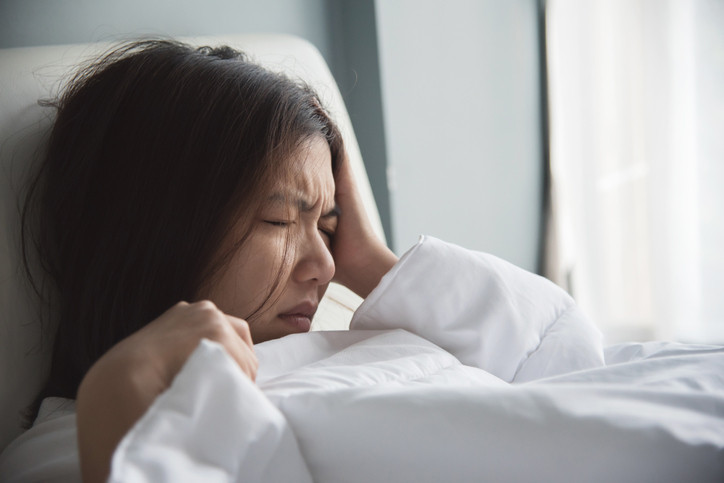
Have a headache? The top 7 triggers
There are several common triggers for headaches. Identifying the one that is causing your headache is the first step toward avoiding it or ensuring you can treat it properly.

Harvard Health Ad Watch: What’s being cleansed in a detox cleanse?
The idea of a detox diet or cleanse seems like it might be beneficial, and the advertising is certainly compelling, but these products are not regulated in any way. Evidence of beneficial effects from using them is limited, and there are reports of side effects and complications.

Can telehealth help flatten the curve of COVID-19?
Virtual health care is a convenience in ordinary times, but a valuable tool during a crisis like the one we are experiencing. Also called telehealth, telemedicine, or digital care, it allows medical staff to evaluate patients to determine possible treatment needs and whether they can remain at home.

How to not practice emotional distancing during social distancing
While COVID-19 brings normal life to a temporary halt as we practice social distancing, it helps to double-down on deepening social bonds and practicing kindness and gratitude, not emotional distancing.
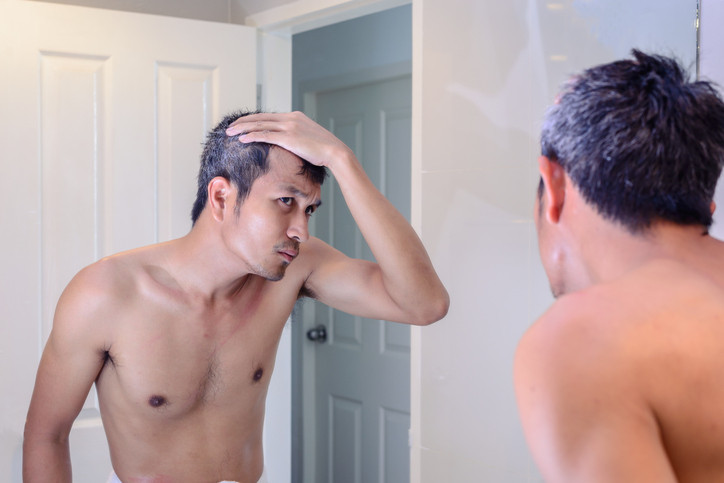
Can stress really make hair (or fur?) turn gray?
Does stress really turn hair gray? Scientists conducted experiments that simulated stress and led to gray hair—in mice, which does not mean it’s true for humans, regardless of what you may have heard in the media.

Heart disease and cancer risk may be linked
In the journals
People with heart disease also have a higher risk of developing cancer, according to research presented at the American Heart Association's Scientific Sessions in November 2019.
Researchers evaluated data from 12,712 people from the Framingham Heart Study who did not have heart disease or cancer at the study's launch. They used a risk estimator that predicts a person's chance for getting heart disease within 10 years.

Menopause and mental health
Shifts in the levels of female hormones can cause temporary mood changes, including symptoms of depression.
The years leading up to menopause and the transition itself can bring changes to your body. But they can also have an effect on your mind, specifically your mental health.
The incidence of depression doubles during this time. Women who have struggled in the past with depression or anxiety might also see a resurgence in symptoms.
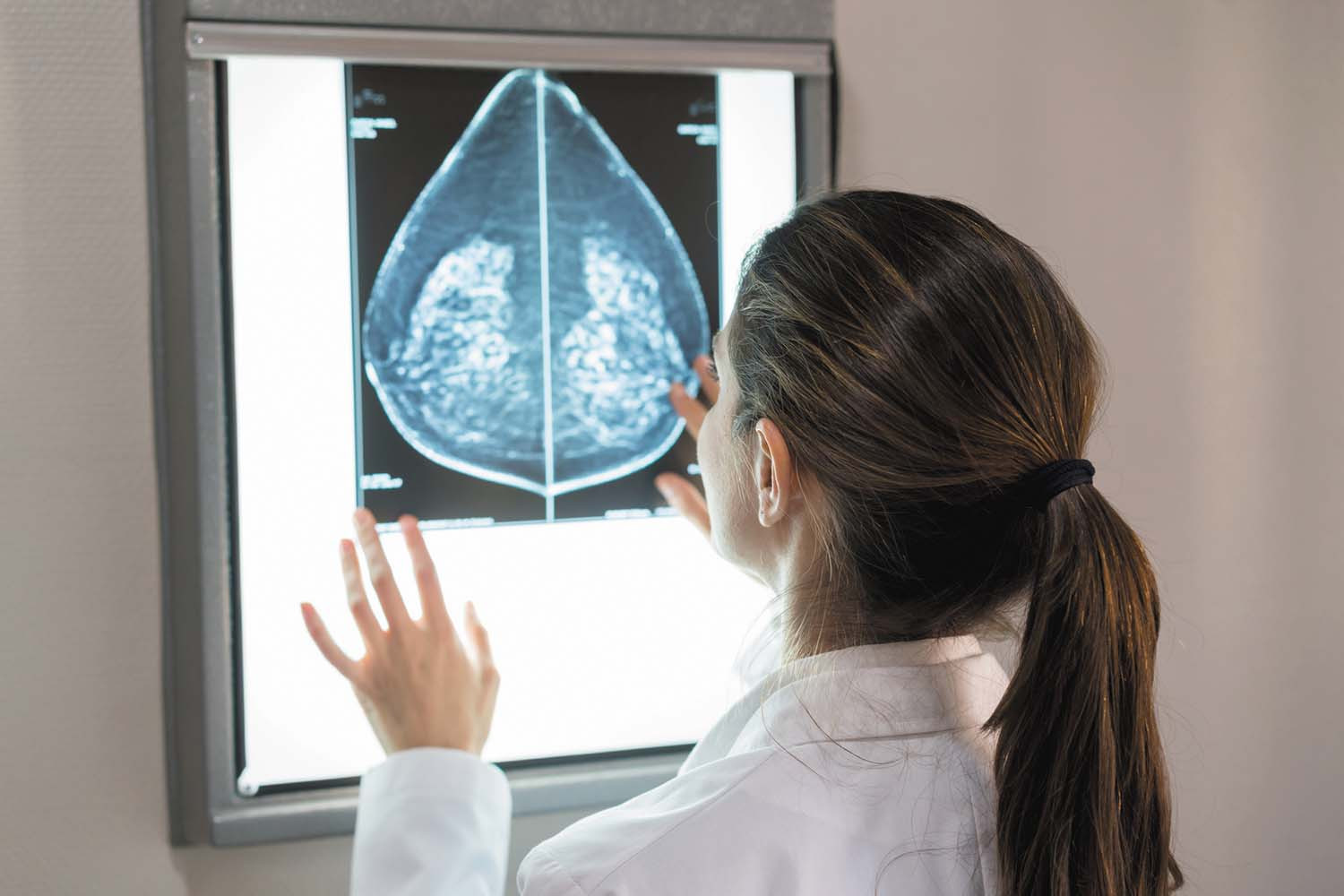
Researchers test new technology for screening dense breasts
Research we're watching
Can a new breast screening technology find more cancers in women with dense breast tissue? A study managed by the American College of Radiology (ACR) Center for Research and Innovation will compare contrast-enhanced spectral mammography (CESM) to other screening technologies used for dense breasts (those that contain a higher proportion of active tissue than fat). It's difficult to find cancers in dense breast tissue using traditional mammography because the active tissue shows up as white areas on a mammogram, just like cancers do, making abnormalities harder to see.
CESM is similar in some ways to traditional mammography, but before having the usual x-ray, the woman is injected with a special iodine-based contrast agent that highlights abnormal areas on the image more clearly. Cancerous tumors typically create new blood vessels when they form, and the contrast agent can reveal that increased blood flow, alerting the radiologist to a potential cancer.

As coronavirus spreads, many questions and some answers
Readers have many questions about the new coronavirus (COVID-19). We have enlisted one of our experts on infectious disease to answer some of them.
What is tempeh? Benefits, nutrition, and how to use it
Light exposure at night may raise risk for heart disease
Whole grains may improve several heart risk factors at once
A lumbar belt may help ease low back pain
Children of centenarians may stay healthier and live longer too, study finds
Signs of pneumonia: Sometimes vague and unexpected
The surprising link between ovarian cancer and the fallopian tubes
Using a vibration plate: What it can — and can't — do for your body
People who walk more or walk faster live longer, study finds
Rosacea treatments: What works?
Free Healthbeat Signup
Get the latest in health news delivered to your inbox!
Sign Up
