

Light exposure at night may raise risk for heart disease

Whole grains may improve several heart risk factors at once

A lumbar belt may help ease low back pain

Children of centenarians may stay healthier and live longer too, study finds

Signs of pneumonia: Sometimes vague and unexpected

The surprising link between ovarian cancer and the fallopian tubes

Using a vibration plate: What it can — and can't — do for your body

People who walk more or walk faster live longer, study finds

For sleep apnea, a dental device may be as effective as CPAP

Rosacea treatments: What works?
Breast Cancer Archive
Articles

Can I outwalk breast cancer?
Ask the doctors
Q. I've heard that walking could reduce my risk of breast cancer. Is this true?
A. Yes, it's true. Walking is not only a great form of exercise to help keep your heart healthy, it could potentially reduce your risk of breast cancer. One 2013 study, published in Cancer Epidemiology, Biomarkers & Prevention, found that women who walked seven hours a week — an hour a day on average — had a 14% lower chance of getting breast cancer when compared with women who walked three hours a week or less. The benefit was seen even in women who were at higher risk for breast cancer, including those who were overweight or who were taking hormone therapy. It's not clear how walking helps, but experts speculate that physical activity might help keep the body's levels of estrogen and insulin in check. Both of these hormones can fuel breast cancer, so regulating them more effectively could reduce your risk.

Can appealing to teenagers’ vanity improve sun-protective behaviors?
Most people understand the risks of sun exposure, even if they do not regularly wear sunscreen, but getting younger people to pay attention to this concern can be difficult. A study chose a novel approach to this problem by appealing to teenagers’ vanity and focus on their appearance.

Tinted sunscreens: Benefits beyond an attractive glow
Tinted sunscreens offer all the benefits of traditional sun protection products, plus they have added pigments that give them the ability to block visible light, which can also be harmful to the skin.

Can a daily pill lighten heavy menstrual bleeding caused by fibroids?

When lockdown is not actually safer: Intimate partner violence during COVID-19
For women living with abusive partners, the COVID-19 pandemic has made an already difficult and dangerous situation even worse. And even if a woman had been thinking about leaving an abusive situation or planning to leave, with current restrictions she may not be able to.

Breast pain: Not just a premenopausal complaint
Breast pain after menopause can come in many forms
Menopause has come and gone. Why do I still have breast pain?
In most cases, breast pain is a by-product of reproductive life: Like breast swelling, it waxes and wanes during the menstrual cycle, and it's one of the first symptoms of pregnancy. Many women expect breast pain to go away after menopause. When it doesn't, they may fear they have breast cancer. Fortunately, breast pain is rarely a symptom of cancer, regardless of age. Still, that possibility should be considered, along with a number of noncancerous conditions that affect the breasts.
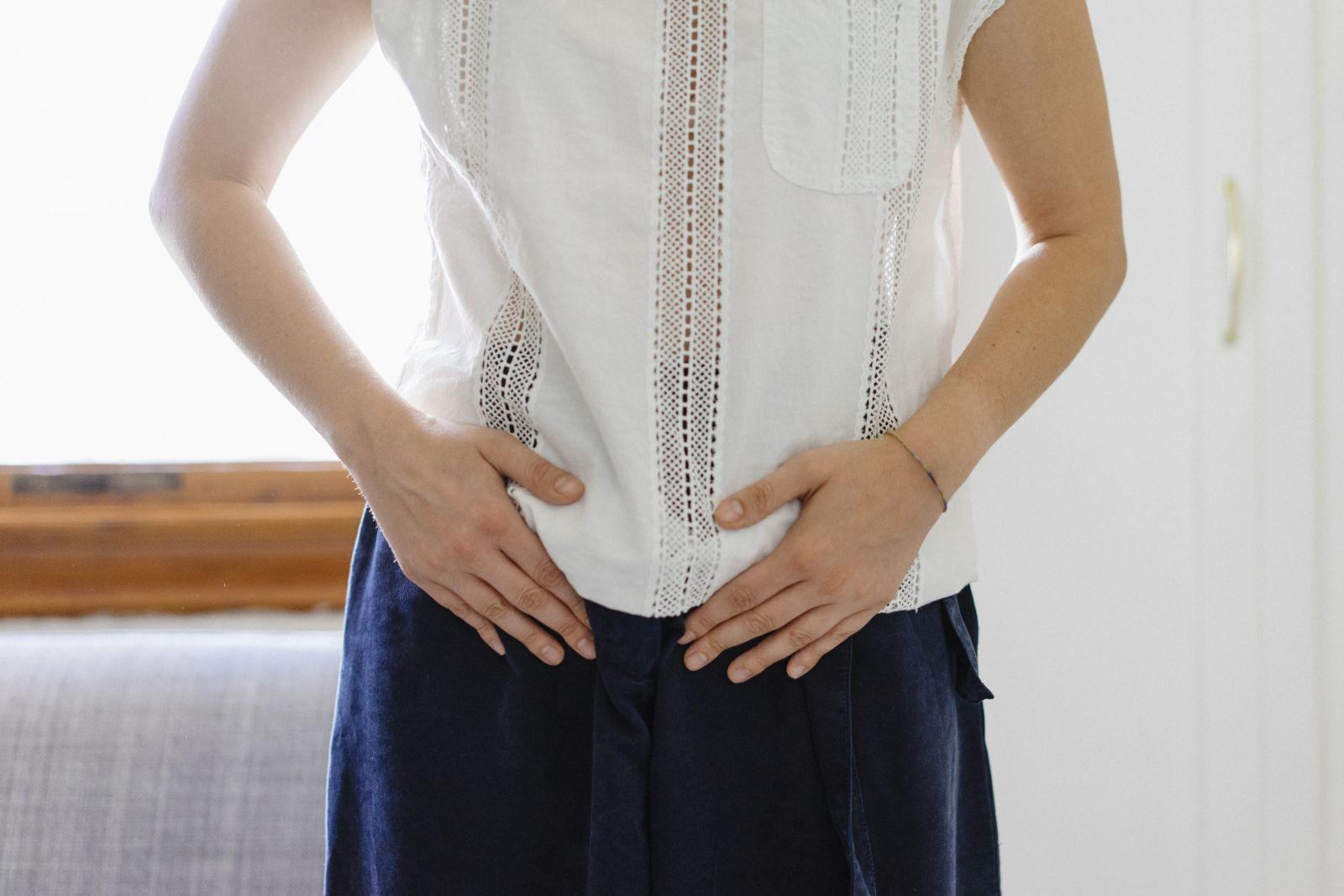
What to do about pelvic organ prolapse
Pelvic organ prolapse is a common complaint among women. Women have three main options for treating prolapse: pelvic floor physical therapy, a pessary, or surgery to support the displaced organs.

Can a high-fiber diet reduce your risk of breast cancer?
Research we're watching
Your diet may influence your breast cancer risk. An analysis of 20 studies by researchers from the Harvard T.H. Chan School of Public Health, which was published online April 6, 2020, by the journal Cancer, found that women who ate the most fiber were 8% less likely to go on to develop breast cancer compared with the women who ate the least.
The reduction in breast cancer risk was seen for both premenopausal and postmenopausal breast cancers, as well as different types of breast cancer, including those that were estrogen and progesterone receptor–positive and estrogen and progesterone receptor–negative. Researchers from the Harvard T.H. Chan School of Public Health said that that the reduction may be due to fiber's effect in reducing both blood sugar and estrogen levels in the body.

Is your habit getting out of control?
Stress can raise your risk of developing a substance use disorder. Here's how to get help when you need it.
In recent months, Americans' collective stress level has risen in response to the pandemic and economic fallout. Many people are looking for ways to help themselves feel better. Unfortunately, stress can trigger a number of unhealthy coping strategies — drinking alcohol to excess, bingeing on junk food, engaging in drug use, or other harmful behaviors. If you've ever had a substance use disorder, a bout of significant stress may even put your recovery at risk.
This is likely due to the shift the human brain makes in times of trauma. Instead of focusing on long-term goals, your brain zeroes in on short-term objectives.

Are you old enough to give up your screening mammogram?
There's no easy answer to this question. Rather, women should make the decision based on their individual needs.
Most women don't look forward to their routine mammogram, which can be uncomfortable and stressful. You may wonder: Is there an age when can you dispense with this regular chore? 75, 80, 85?
The truth is that experts haven't determined a magic age when women no longer need breast cancer screening — largely because scientific evidence in this area is lacking, says Dr. Kathryn Rexrode, associate professor of medicine at Harvard Medical School and chief of the Division of Women's Health at Brigham and Women's Hospital. But many experts also agree that continuing mammography might not be the right choice beyond age 75. The real question, they say, is what is the right age for you to stop based on your individual needs? To decide, you need to understand both the potential risks and benefits of breast cancer screening.
Light exposure at night may raise risk for heart disease
Whole grains may improve several heart risk factors at once
A lumbar belt may help ease low back pain
Children of centenarians may stay healthier and live longer too, study finds
Signs of pneumonia: Sometimes vague and unexpected
The surprising link between ovarian cancer and the fallopian tubes
Using a vibration plate: What it can — and can't — do for your body
People who walk more or walk faster live longer, study finds
For sleep apnea, a dental device may be as effective as CPAP
Rosacea treatments: What works?
Free Healthbeat Signup
Get the latest in health news delivered to your inbox!
Sign Up
