

Light exposure at night may raise risk for heart disease

Whole grains may improve several heart risk factors at once

A lumbar belt may help ease low back pain

Children of centenarians may stay healthier and live longer too, study finds

Signs of pneumonia: Sometimes vague and unexpected

The surprising link between ovarian cancer and the fallopian tubes

Using a vibration plate: What it can — and can't — do for your body

People who walk more or walk faster live longer, study finds

For sleep apnea, a dental device may be as effective as CPAP

Rosacea treatments: What works?
Breast Cancer Archive
Articles

To prevent cancer, boost your exercise and don’t drink
Research we're watching
Move your body more and skip the alcohol to reduce your risk of cancer, says the American Cancer Society in its new cancer prevention guidelines. The updated recommendations, published online June 9, 2020, by CA: A Cancer Journal for Clinicians, also recommend cutting down on sugar and red meat, based on a review of the most recent scientific evidence.
Specifically, the new guidelines say that instead of exercising moderately for 150 minutes a week or doing 75 minutes of vigorous activity, adults should try to squeeze in 150 to 300 minutes of moderate activity or 75 to 150 minutes of vigorous activity — and that the higher number should be the target. As for diet, people interested in reducing their risk of cancer should aim to eat more plants, including whole (not refined) grains and at least two-and-a-half cups of colorful fruits and vegetables each day, and less sugar and meat (specifically limiting processed and red meat whenever possible). In the past, the ACS recommended moderate alcohol intake, but the new guideline says it's better to avoid alcohol altogether if possible. People who do drink should still stick to the previous recommended limits: no more than one drink a day for women and two drinks a day for men.

A new way to screen for cancer
Blood testing to detect early cancer may be closer to reality than ever before.
When it comes to most cancers, the sooner they're found, the better. "Identifying cancer in its earlier stages offers improved chances for treating it before it can grow and spread," says Dr. Brian Wolpin, director of the Gastrointestinal Cancer Center at Harvard-affiliated Dana-Farber Cancer Institute.
Unfortunately, there are not reliable tools to screen for most cancers. Examples of effective screening tests that do exist now include colonoscopies that look for polyps and early colorectal cancers, as well as imaging tests like mammograms for early signs of breast cancer and chest CT scans for localized lung cancer among former or current smokers.

Another drug recall due to cancer-causing ingredients
News briefs
First it was certain blood pressure and heartburn drugs; now some medications used to treat type 2 diabetes are being recalled because of cancer concerns. The FDA warned in late May and early June 2020 that some lots of extended-release metformin may contain unacceptable levels of N-nitrosodimethylamine (NDMA), a possible cancer-causing chemical. At least five manufacturers are now issuing voluntary recalls of the medications. But if you take extended-release metformin, don't just stop on your own. Not all extended-release metformin products are affected by the voluntary recalls, and stopping any medication that controls blood sugar can be very dangerous. The FDA advises that you check in with your doctor or pharmacist. Ask if your medication is affected by the recall; if so, ask if you should switch to another version of the drug.
Image: fizkes/Getty Images


An emerging link between the urinary microbiome and urinary incontinence
The discovery that the urinary tract has a microbiome analogous to the one in the digestive tract has led to research showing that in women with urinary incontinence, their urinary microbiome differs from those in women who do not have urinary incontinence.

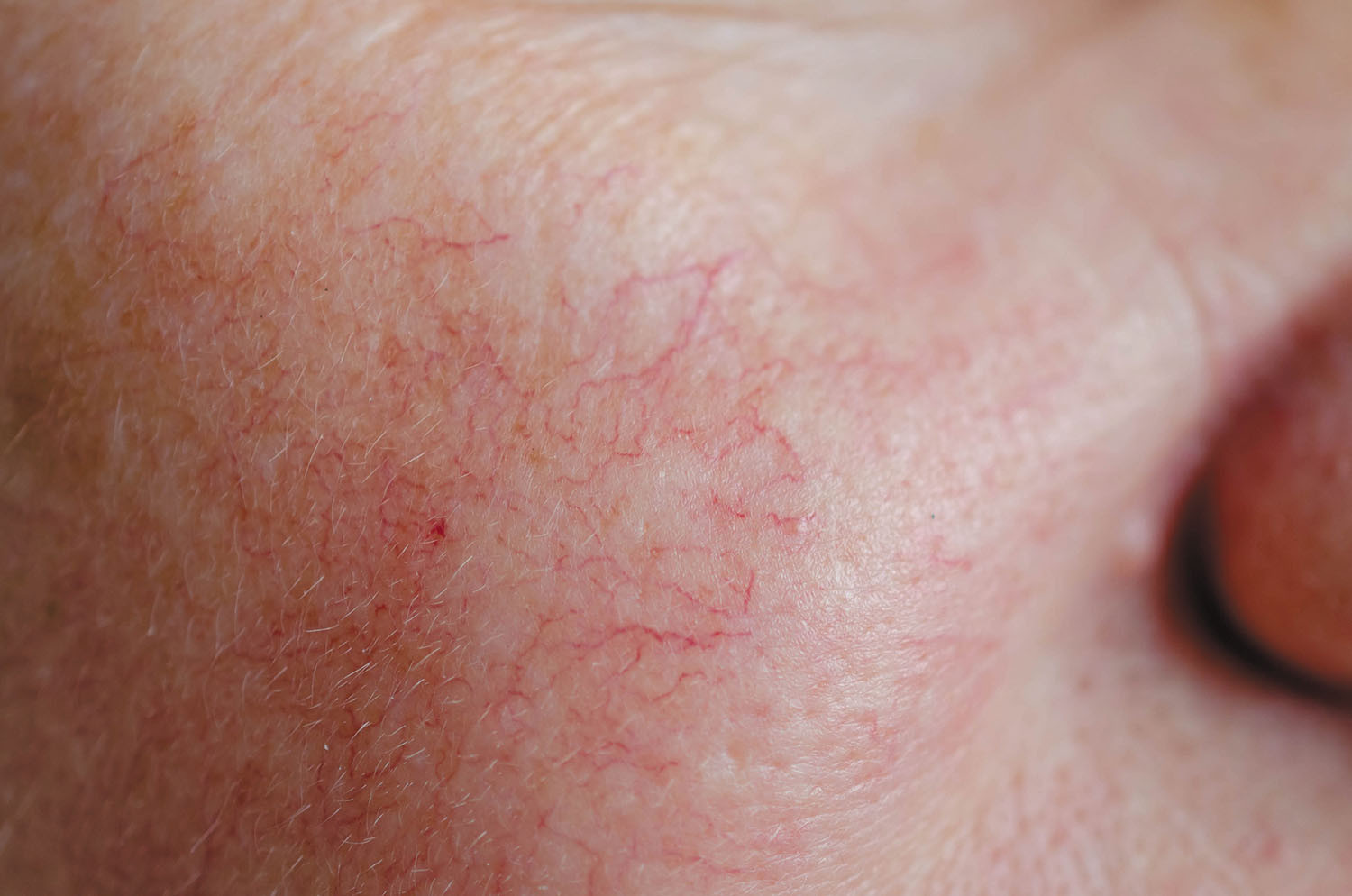
Rosacea can flare at menopause
Tips to help you treat this common skin condition.
You thought you left acne behind you in your teen years, but here you are at midlife with a breakout. But it might not be what you think. Rosacea is often mistaken for acne, and the condition, which most often begins after age 30, sometimes flares at menopause, says Dr. Suzanne Olbricht, an associate professor of dermatology at Harvard Medical School.
A common skin condition affecting some 16 million Americans, rosacea most often develops in people with fair skin who blush easily. Rosacea is sometimes mistaken for sunburn, a naturally ruddy complexion, or even an allergic reaction. It produces a number of skin problems, including

New risk model could better identify people at high risk for pancreatic cancer
Research we're watching
A new tool to identify people who might be at higher risk for pancreatic cancer could help doctors find cases earlier, when they are most treatable. Researchers from the Harvard T.H. Chan School of Public Health created a risk model that did a better job than current models of finding people at high risk for the disease. It takes into account clinical and genetic factors as well as blood levels of biomarkers (substances that could potentially indicate disease). To test the model researchers used data from four large clinical studies. They applied the tool to 500 known pancreatic cancer patients and more than 1,000 people without cancer. The researchers then assessed how well the tool would have predicted the risk of pancreatic cancer. Pancreatic cancer, which is the third leading cause of cancer death in the United States, is challenging to treat because most people already have advanced disease when they are diagnosed. It's hoped that identifying people who are at high risk will eventually allow doctors to screen these individuals to find cancers when they are smaller and more curable.
Image: Raycat/Getty Images

Aspirin linked to fewer digestive tract cancers
In the journals
Scientists continue to explore the health benefits versus risks of aspirin therapy. One new analysis suggests that taking aspirin may protect against several types of digestive tract cancers. The results were published online April 1, 2020, by Annals of Oncology.
Researchers examined 113 observational studies of cancer in the general population. They found that individuals who took aspirin regularly — at least one or two tablets a week — had significantly lower rates of cancers of the bowel, stomach, gallbladder, esophagus, pancreas, and liver, compared with people who did not take aspirin.

Can I do anything to prevent urinary incontinence?
Ask the doctors
Q. I'm hoping to prevent urinary incontinence. Is there anything I can do?
A. Nearly half of all women experience some type of urinary incontinence during the course of their lives. It may not be possible to prevent all of these cases, which can be caused by pregnancy, childbirth, or hormonal shifts that occur around the time of menopause. Here are some strategies that may help to reduce your risk.
Light exposure at night may raise risk for heart disease
Whole grains may improve several heart risk factors at once
A lumbar belt may help ease low back pain
Children of centenarians may stay healthier and live longer too, study finds
Signs of pneumonia: Sometimes vague and unexpected
The surprising link between ovarian cancer and the fallopian tubes
Using a vibration plate: What it can — and can't — do for your body
People who walk more or walk faster live longer, study finds
For sleep apnea, a dental device may be as effective as CPAP
Rosacea treatments: What works?
Free Healthbeat Signup
Get the latest in health news delivered to your inbox!
Sign Up
