

Light exposure at night may raise risk for heart disease

Whole grains may improve several heart risk factors at once

A lumbar belt may help ease low back pain

Children of centenarians may stay healthier and live longer too, study finds

Signs of pneumonia: Sometimes vague and unexpected

The surprising link between ovarian cancer and the fallopian tubes

Using a vibration plate: What it can — and can't — do for your body

People who walk more or walk faster live longer, study finds
For sleep apnea, a dental device may be as effective as CPAP

Rosacea treatments: What works?
Breast Cancer Archive
Articles

Irregular and long menstrual cycles linked to shorter life
Research we're watching
Can your current or past menstrual cycle offer clues about your longevity? A study published Oct. 3, 2020, in The BMJ linked irregular or long menstrual cycles (defined as 40 days or more) throughout adolescence and adulthood to a higher risk of early death (before age 70), compared with that seen in women who had normal or short menstrual cycles. The study authors, who used data from nearly 80,000 women who participated in the Nurses' Health Study II, found that the association was stronger for deaths from heart and blood vessel disease and in women who smoked.
Women in the study were, on average, 38 years old and had no history of cardiovascular disease, cancer, or diabetes when the study began. Researchers asked them to recall the regularity and length of their menstrual cycles at various times in their life. The researchers followed the women for 24 years, noting deaths from various causes over time. The association of early death with irregular or long menstrual cycles persisted even after they corrected for other factors, such as lifestyle and family history.

Certain foods and drugs may lower risk of colon cancer
In the journals
Colon cancer prevention involves following a healthy lifestyle — for instance, exercising and not smoking — and periodically getting a screening test such as a colonoscopy. But what impact do diet and medications have? A recent review of 80 statistical analyses published over the last 40 years explored this question. The review was published online Oct. 1, 2020, by the journal Gut.
Over all, the results were disappointing in that no specific drug, food, or supplement stood out in the body of evidence. Yet some of the reviewed studies did show a link between a lower risk of colon cancer and use of nonsteroidal anti-inflammatory drugs (NSAIDs) — such as aspirin, ibuprofen (Advil, Motrin), and naproxen (Aleve) —and a higher intake of fruits, vegetables, and fiber. But other studies did not.

Women with DCIS at increased risk for breast cancer death
Research we're watching
Treatment for women with a type of early breast cancer called ductal carcinoma in situ (DCIS) might not be doing enough to prevent deaths from the disease, says a study published online Sept. 16, 2020, by JAMA Network Open. The study sought to determine whether women diagnosed with DCIS had a higher risk of dying from breast cancer than women who did not have the disease. They looked at 144,524 women who were diagnosed with DCIS from 1994 and 2014 and then treated for the condition. Researchers compared them against women without DCIS from the general population. They found that the women with DCIS had three times the risk of dying of breast cancer in the follow-up period, which ran until December 2016, than women without DCIS. Study authors suggest ways that might identify which women with DCIS need more aggressive therapy to prevent breast cancer death.
Image: © belchonock/Getty Images
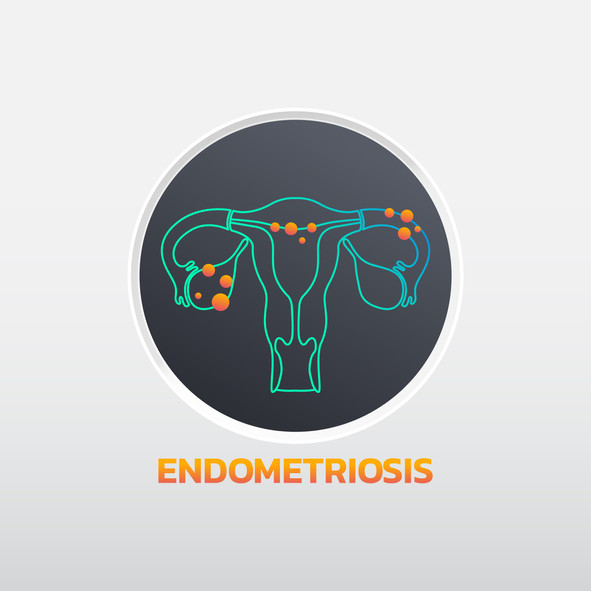
Treating the pain of endometriosis
Endometriosis occurs in women when tissue similar to the lining of the uterus grows in other places in the body, most commonly within the pelvis, causing pain and other symptoms. Many women with this condition are not diagnosed properly until middle age. There are several options for treatment, and it may take time to find what works best for each person.

Birth control and high blood pressure: Which methods are safe for you?
Doctors typically recommend that women who have high blood pressure avoid using birth control that contains estrogen to avoid raising risks for a stroke or heart attack. According to a clinical update, this recommendation may be changing for some women with high blood pressure.


Moderate amounts of coffee are the best
Drinking no more than four or five 8-ounce cups of coffee per day—equal to about 400 milligrams of caffeine—helps people get the drink's health benefits with a lower risk of caffeine side effects like anxiety and nervousness.

Can acupuncture help my menopause symptoms?
Ask the doctors
Q. I've been experiencing some menopause symptoms, such as hot flashes. Can acupuncture help?
A. There is some evidence that acupuncture may be able to provide short-term relief from some menopausal symptoms, including hot flashes. Acupuncture is a long-used type of Chinese medicine in which a trained practitioner inserts thin needles into specific locations on your body.
Smokers may have higher risk of brain aneurysm
Research we're watching
Need another reason to quit smoking? A study published in the September 2020 issue of the Journal of Neurology, Neurosurgery and Psychiatry found that women ages 30 to 60 who smoked had four times the risk of having a brain aneurysm (a weakened artery in the brain that bulges and could burst) compared with nonsmokers.
Researchers looked at nearly 550 women who had a brain scan performed, most often because of persistent headaches. The scans showed that 113 of them had one or more brain aneurysms. These individuals were then matched with 113 people who did not have brain aneurysms. In comparing the two groups, the researchers found not only that smoking drove up the risk of finding a brain aneurysm, but also that women who both smoked and had high blood pressure had seven times the risk compared to nonsmokers with normal blood pressure. If future research shows that smokers also have a significantly higher risk of brain aneurysm rupture, women smokers ages 30 to 60 might be candidates for aneurysm screening.
Aspirin and breast cancer risk: How a wonder drug may become more wonderful
Light exposure at night may raise risk for heart disease
Whole grains may improve several heart risk factors at once
A lumbar belt may help ease low back pain
Children of centenarians may stay healthier and live longer too, study finds
Signs of pneumonia: Sometimes vague and unexpected
The surprising link between ovarian cancer and the fallopian tubes
Using a vibration plate: What it can — and can't — do for your body
People who walk more or walk faster live longer, study finds
For sleep apnea, a dental device may be as effective as CPAP
Rosacea treatments: What works?
Free Healthbeat Signup
Get the latest in health news delivered to your inbox!
Sign Up
