

Light exposure at night may raise risk for heart disease

Whole grains may improve several heart risk factors at once

A lumbar belt may help ease low back pain

Children of centenarians may stay healthier and live longer too, study finds

Signs of pneumonia: Sometimes vague and unexpected

The surprising link between ovarian cancer and the fallopian tubes

Using a vibration plate: What it can — and can't — do for your body

People who walk more or walk faster live longer, study finds

For sleep apnea, a dental device may be as effective as CPAP

Rosacea treatments: What works?
Breast Cancer Archive
Articles
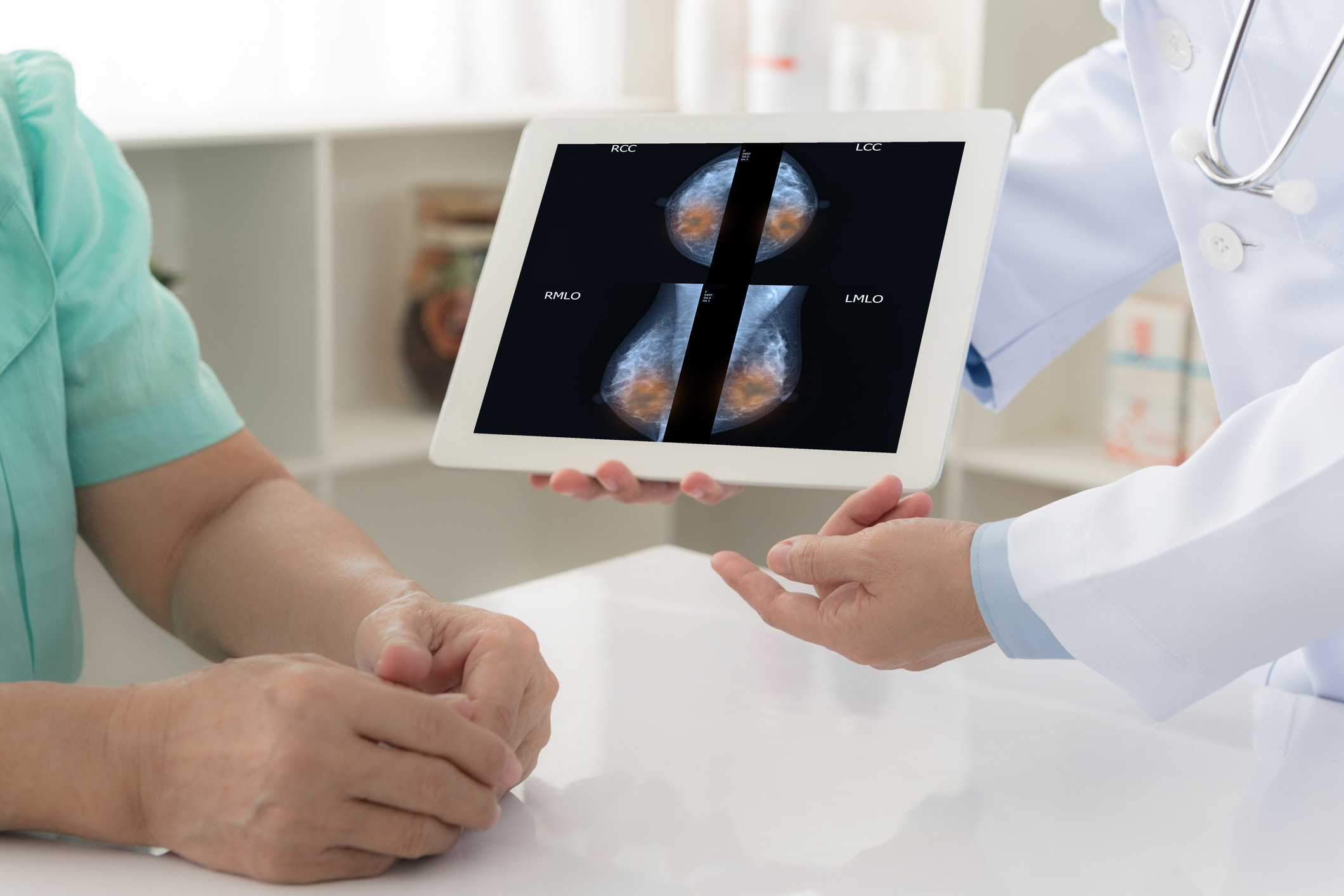
Can some postmenopausal women with breast cancer skip chemotherapy?
Advances in breast cancer research have led to more personalized treatments, based on subtyping and more sophisticated testing. A risk assessment test can predict that some women do not need chemotherapy but will benefit from hormone therapy, and who might benefit more from both treatments.


Women, alcohol, and COVID-19
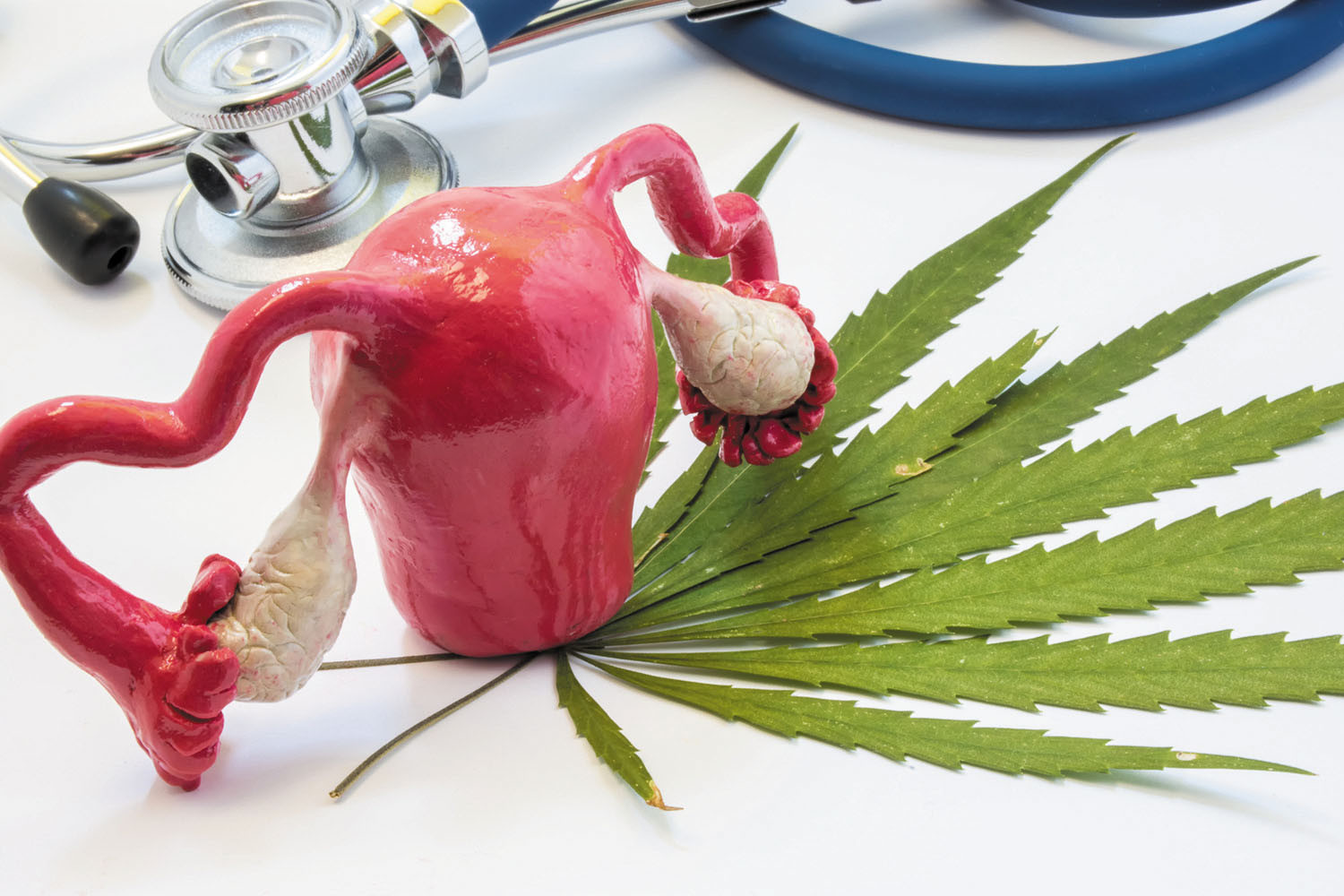
Does cannabis use impede conception?
Research we're watching
Women who use marijuana may have more difficulty getting pregnant than women who don't, according to a study published online Jan. 11, 2021, by the journal Human Reproduction.
The study looked at 1,200 women who were trying to conceive after experiencing either one or two miscarriages. The researchers followed the women for six monthly cycles and tracked those who became pregnant for the duration of their pregnancy. Those who reported using marijuana or hashish in the past 12 months or whose urine samples showed evidence of cannabis were 40% less likely to get pregnant during each monthly cycle than those who didn't use cannabis. Only 42% of the cannabis users became pregnant during the study period, compared with 66% of non-users. There did not, however, appear to be any difference in miscarriage rate between users and non-users. The study authors said that further research is needed to confirm the results.

5 ways to boost bone strength early
The best prevention for bone-thinning osteoporosis begins early — during the first two decades of life, when you can most influence your peak bone mass by getting enough calcium and vitamin D and doing bone-strengthening exercise. If you are over age 20, there's no need to be discouraged. It's never too late to adopt bone-preserving habits.
If you are a man younger than 65 or a premenopausal woman, these five strategies can help you shore up bone strength as a hedge against developing osteoporosis.

Can diet help fight prostate cancer?
Can adopting a healthier diet help fight prostate cancer? That's a question men newly diagnosed with prostate cancer often ask their doctors.
Several studies have shown that in countries where men eat a typical "Western" diet containing a large amount of meat, the incidence of prostate cancer, especially aggressive prostate cancer, is higher than in countries where plant-based foods are a primary part of the diet. Unfortunately, these studies weren't designed to prove cause and effect. So for now, definitive answers about prostate cancer and diet aren't yet in — although researchers are actively studying this topic.

Racial disparities and early-onset colorectal cancer: A call to action
In the last decade, overall rates of colorectal cancer have been falling among the general population in the US. However, African Americans are more likely to develop colorectal cancer at younger ages, and to die from it. The reasons for this disparity are unclear, but they are rooted in socioeconomic and racial inequities.

Proposed guidelines likely to identify more early lung cancers

Affairs of the heart
Cardiovascular problems can conspire to put a damper on sexual enjoyment. Talking to your doctor and your partner can help.
A physical connection with your romantic partner is often an important part of a fulfilling relationship. But when it comes to matters of the heart, the health of your heart matters.
"A satisfying sex life depends on physical health, psychological well-being, and the quality of the relationship," says Dr. Jan Shifren, who directs the Massachusetts General Hospital Midlife Women's Health Center. Heart disease and related conditions can influence all three of those factors in both men and women. Here's a look at the range of those effects and some possible solutions.

Belly fat may pose more danger for women than for men
Whittle your waist for better health.
You've probably heard that extra pounds around your middle are bad for your heart. But a new study has found that excess weight in your belly — a body shape doctors refer to as central adiposity — may be even worse for women's heart health than men's.
The study, in the March 6 issue of the Journal of the American Heart Association, involved about 500,000 people (55% of them women), ages 40 to 69, in the United Kingdom. The researchers took body measurements of the participants and then kept track of who had heart attacks over the next seven years. During that period, the women who carried more weight around their middles (measured by waist circumference, waist-to-hip ratio, or waist-to-height ratio) had a 10% to 20% greater risk of heart attack than women who were just heavier over all (measured by body mass index, or BMI, a calculation of weight in relation to height).
Light exposure at night may raise risk for heart disease
Whole grains may improve several heart risk factors at once
A lumbar belt may help ease low back pain
Children of centenarians may stay healthier and live longer too, study finds
Signs of pneumonia: Sometimes vague and unexpected
The surprising link between ovarian cancer and the fallopian tubes
Using a vibration plate: What it can — and can't — do for your body
People who walk more or walk faster live longer, study finds
For sleep apnea, a dental device may be as effective as CPAP
Rosacea treatments: What works?
Free Healthbeat Signup
Get the latest in health news delivered to your inbox!
Sign Up
