

Light exposure at night may raise risk for heart disease

Whole grains may improve several heart risk factors at once

A lumbar belt may help ease low back pain

Children of centenarians may stay healthier and live longer too, study finds

Signs of pneumonia: Sometimes vague and unexpected

The surprising link between ovarian cancer and the fallopian tubes

Using a vibration plate: What it can — and can't — do for your body

People who walk more or walk faster live longer, study finds
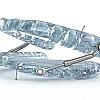
For sleep apnea, a dental device may be as effective as CPAP

Rosacea treatments: What works?
Breast Cancer Archive
Articles

Air pollution: How to reduce harm to your health
Some air pollution levels have inched up in recent years, and accumulating evidence suggests that higher levels of particulates in the air are linked with increased levels of hospitalization for many serious health problems. But we can make choices to help both the environment and our health.

Time to hire a caregiver? 3 tips to help

Drinking sugary beverages associated with colon cancer risk

Can you recommend strategies to help me manage my posterior vaginal prolapse?
Lifestyle changes, such as adding fiber to the diet and increasing water intake, can help minimize symptoms caused by a specific type of pelvic organ prolapse called rectocele, where the rectum bulges into the vagina.

New recommendation: Earlier colorectal cancer screening

Migraines linked to high blood pressure after menopause

7 strategies to prevent cancer

Reducing heart risks in the wake of breast cancer treatment

Pregnancy problems may foretell future heart disease

Postpartum anxiety is invisible, but common and treatable
It's not unusual for women to feel down or depressed after giving birth, but if the feelings persist or become debilitating, it's cause for concern. Many of the symptoms overlap between postpartum depression and postpartum anxiety, but some women do not respond as well to some treatments for depression, so it's important to establish the correct diagnosis.
Light exposure at night may raise risk for heart disease
Whole grains may improve several heart risk factors at once
A lumbar belt may help ease low back pain
Children of centenarians may stay healthier and live longer too, study finds
Signs of pneumonia: Sometimes vague and unexpected
The surprising link between ovarian cancer and the fallopian tubes
Using a vibration plate: What it can — and can't — do for your body
People who walk more or walk faster live longer, study finds
For sleep apnea, a dental device may be as effective as CPAP
Rosacea treatments: What works?
Free Healthbeat Signup
Get the latest in health news delivered to your inbox!
Sign Up
