

Light exposure at night may raise risk for heart disease

Whole grains may improve several heart risk factors at once

A lumbar belt may help ease low back pain

Children of centenarians may stay healthier and live longer too, study finds

Signs of pneumonia: Sometimes vague and unexpected

The surprising link between ovarian cancer and the fallopian tubes

Using a vibration plate: What it can — and can't — do for your body

People who walk more or walk faster live longer, study finds

For sleep apnea, a dental device may be as effective as CPAP

Rosacea treatments: What works?
Breast Cancer Archive
Articles
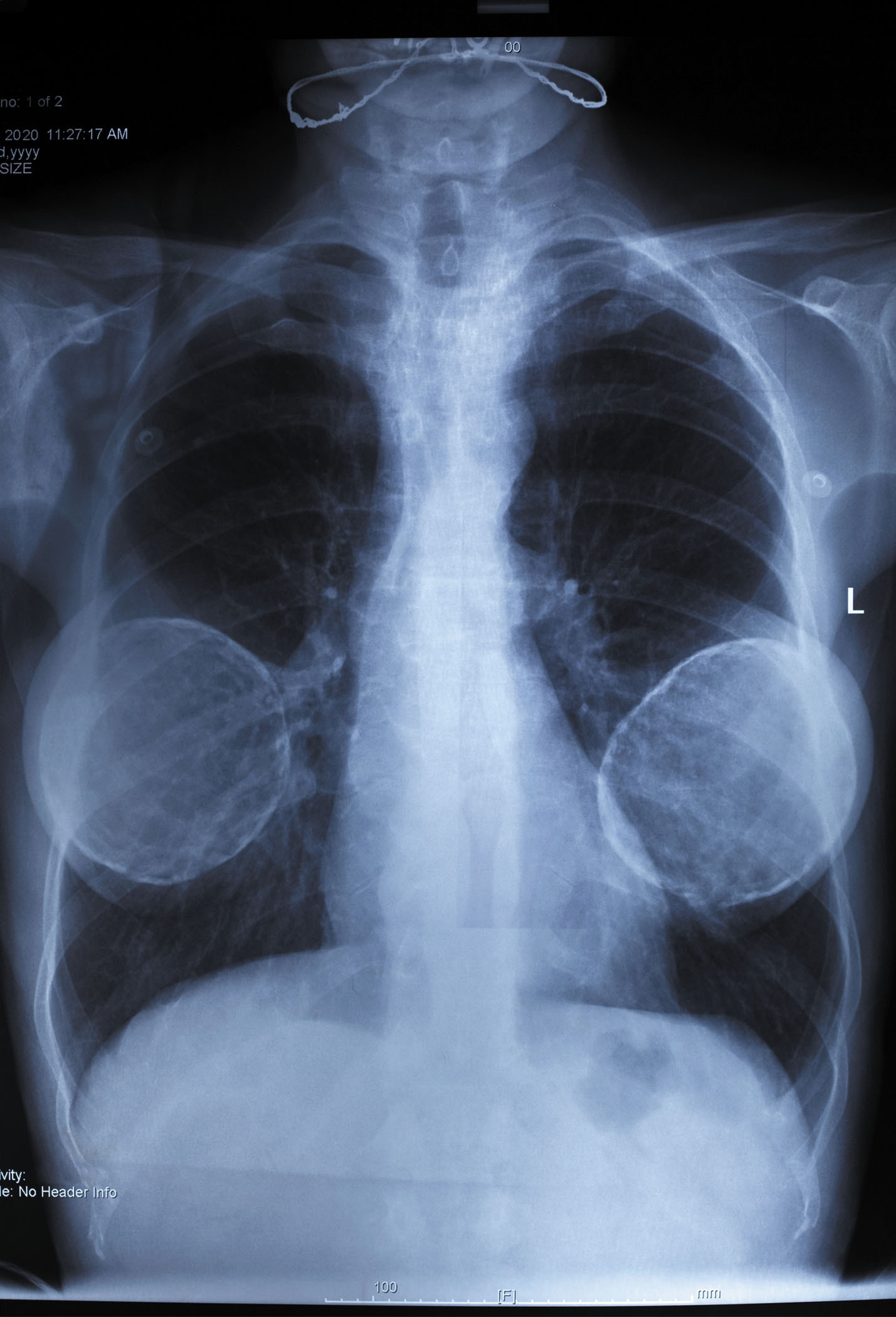
FDA wants women to understand the risks and benefits related to breast implants
The FDA recently moved to help make certain that women considering breast implants have a clear picture of what implants involve before moving ahead with surgery. The agency announced a series of changes in October 2021. These include new labeling requirements for breast implant manufacturers, a requirement that facilities provide patients with a checklist outlining potential risks and benefits related to breast implants, and updated screening recommendations to detect leaks in silicone breast implants.

Regular solo dining may be linked to a higher risk of heart disease
A study found that women who regularly dine alone may be at elevated risk for heart disease, possibly because they were found to have less nutritional knowledge and ate less nutritious meals.

Five hours of weekly exercise may help prevent some cancers
Many cancers might be avoided if people did at least five hours of moderate-intensity exercise per week like brisk walking, biking riding, and water aerobics.

Five hours of weekly exercise linked to fewer cancer cases
A study published online Oct. 4, 2021, by the journal Medicine & Science in Sports & Exercise found that about 46,000 U.S. cancer cases per year can be attributed to getting less than 300 minutes of moderate-intensity exercise per week.

Laser therapy for vaginal symptoms comes up short
A 2021 study found that vaginal laser treatments may not be effective at improving vaginal symptoms in postmenopausal women.

Are bioidentical hormones superior to hormone medications?
Bioidentical hormone preparations aren't superior to FDA-approved hormone medications and may bring additional risks.

Are women being over-diagnosed with thyroid cancer?
Compared to men, women may be over-treated for a certain type of thyroid cancer that is usually not dangerous.

Embryo donation: One possible path after IVF
In vitro fertilization (IVF) has helped countless people who were unable to conceive to have children. Frequently, the process results in additional embryos remaining, eventually leading to the question of what to do with them. Embryo donation is one of several options and deciding which path to pursue may not be easy.

Risk factors for benign breast conditions identified

Understanding menstrual changes
Light exposure at night may raise risk for heart disease
Whole grains may improve several heart risk factors at once
A lumbar belt may help ease low back pain
Children of centenarians may stay healthier and live longer too, study finds
Signs of pneumonia: Sometimes vague and unexpected
The surprising link between ovarian cancer and the fallopian tubes
Using a vibration plate: What it can — and can't — do for your body
People who walk more or walk faster live longer, study finds
For sleep apnea, a dental device may be as effective as CPAP
Rosacea treatments: What works?
Free Healthbeat Signup
Get the latest in health news delivered to your inbox!
Sign Up
