

Light exposure at night may raise risk for heart disease

Whole grains may improve several heart risk factors at once

A lumbar belt may help ease low back pain

Children of centenarians may stay healthier and live longer too, study finds

Signs of pneumonia: Sometimes vague and unexpected

The surprising link between ovarian cancer and the fallopian tubes

Using a vibration plate: What it can — and can't — do for your body

People who walk more or walk faster live longer, study finds

For sleep apnea, a dental device may be as effective as CPAP

Rosacea treatments: What works?
Breast Cancer Archive
Articles

Menopause and brain fog: What's the link?
Brain fog is tied to the severity of certain menopause symptoms, especially depression and sexual problems. Estrogen loss may be a factor, but cognitive issues aren't expected to linger. Women in menopause may worry dementia is the culprit, but Alzheimer's is rare at midlife. Strategies for coping with brain fog include staying calm, challenging the brain by changing routines, writing reminders, exercising, getting sufficient sleep, and avoiding multitasking.

Women's heart symptoms not so different after all
Women have long been told to watch for "atypical" signs of heart attack, but new guidance reveals that heart symptoms are not as different in men and women as once believed. Women are also more likely to have a less-common subtype of heart failure, and reproductive history should be considered when assessing women's heart risks. Anyone experiencing chest pain should call 911, mention chest pain before other symptoms, and bear in mind that other chest sensations may signal heart attack.
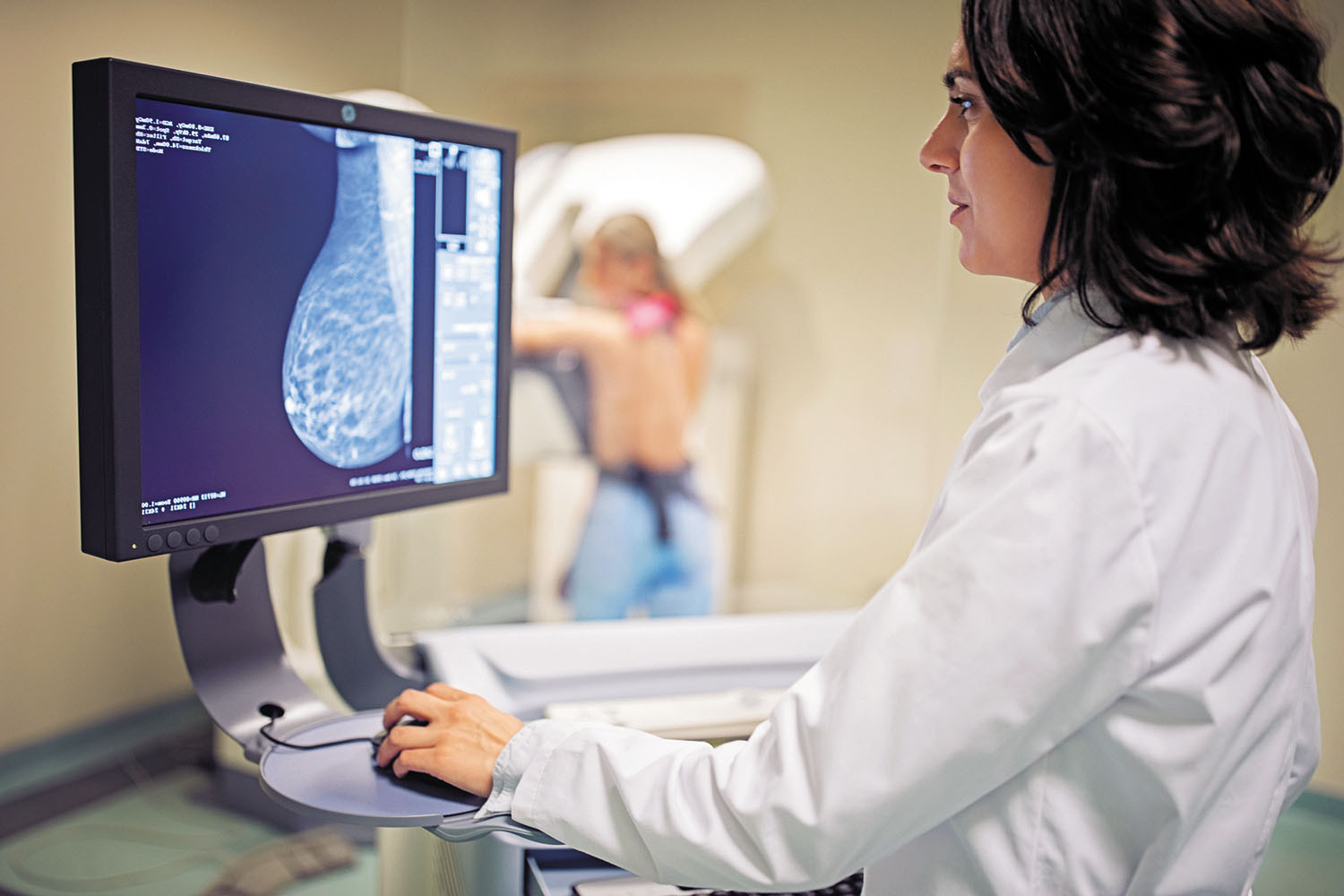
Mammograms may help reveal cardiovascular risk
Postmenopausal women whose screening mammograms show signs of calcification in their breast arteries may have a higher risk of cardiovascular disease.

Considering pregnancy and have lupus? Plan ahead
In the past, people with lupus were advised to avoid pregnancy because doctors believed it was too risky. That's no longer true: in most cases, following expert guidelines can make a successful pregnancy possible. It's wise to think ahead, and to be aware of some important issues.

Gyn Care 101: What to know about seeing a gynecologist
There are many reasons you might want or need to see a gynecologist or seek gyn care from your health care team. It helps to understand who will provide your care, what to expect during the visit, what to discuss, and how to have a positive experience during the visit.

High resting heart rate predicts heart risk in women at midlife
A study based on data from the Women's Health Initiative suggests that a high resting heart rate is an indicator of risk of heart attack in middle-aged women.

Home screening options for colorectal cancer
There are several at-home screening tests for colorectal cancer. The most accurate are a fecal immunochemical test (FIT) and a multitarget stool DNA (mt-sDNA) test (Cologuard), also known as a FIT-DNA test. The FIT test uses antibodies to detect blood in stool, and must be done once a year. The FIT-DNA test can identify DNA from cancer cells in the stool and also has a FIT component to look for blood. This test may be repeated once every three years.


Bracing for incontinence
Among US women ages 60 or older, the prevalence of urge incontinence (a sudden, unprovoked need to urinate) and stress incontinence (leaking urine with physical activity or pressure on the bladder) appeared to increase between 2005 and 2018. Treatments for urge incontinence include lifestyle modifications (such as avoiding caffeinated drinks or scheduling bathroom breaks), pelvic floor exercises, medications, and Botox injections. Treatments for stress incontinence include pelvic floor exercises, weight loss, vaginal pessaries, bulking agent injections, and bladder sling surgery.

Can the COVID-19 vaccine affect menstruation?
A study found that women who were vaccinated against COVID-19 experienced a slight, temporary increase in the number of days between menstrual periods after getting the shot. Experts say the variation is not harmful and does not affect fertility.
Light exposure at night may raise risk for heart disease
Whole grains may improve several heart risk factors at once
A lumbar belt may help ease low back pain
Children of centenarians may stay healthier and live longer too, study finds
Signs of pneumonia: Sometimes vague and unexpected
The surprising link between ovarian cancer and the fallopian tubes
Using a vibration plate: What it can — and can't — do for your body
People who walk more or walk faster live longer, study finds
For sleep apnea, a dental device may be as effective as CPAP
Rosacea treatments: What works?
Free Healthbeat Signup
Get the latest in health news delivered to your inbox!
Sign Up
