

Healing after food poisoning

What is tempeh? Benefits, nutrition, and how to use it

Light exposure at night may raise risk for heart disease

Whole grains may improve several heart risk factors at once

A lumbar belt may help ease low back pain

Children of centenarians may stay healthier and live longer too, study finds

Signs of pneumonia: Sometimes vague and unexpected

The surprising link between ovarian cancer and the fallopian tubes

Using a vibration plate: What it can — and can't — do for your body

People who walk more or walk faster live longer, study finds
Breast Cancer Archive
Articles
Should you use probiotics for your vagina?
Probiotics are being promoted as a way for women to improve vaginal health, but unlike with the gut and digestion, there is almost no evidence for any benefit.

Heart attacks in women
Although hard-to-read heart attacks happen to both men and women, they are more common in women. One reason for this is that men's symptoms initially set the standard for recognizing heart trouble. Now a growing body of research shows that women can experience heart attacks differently than men.
Understanding sex differences in heart disease is important. Heart disease is the leading cause of death for women. Although it mostly affects older women, it isn't rare in younger women. One in 10 of all women who die from heart disease or a stroke are under age 65, and this age group accounts for one-third of heart- or stroke-related hospitalizations. Even so, younger women and their doctors don't necessarily suspect a heart attack even when all the signs are there.

How to make your prostate biopsy go better-before, during, and after
Before a prostate biopsy, discuss all the Image: Wavebreakmedia Ltd/Getty Images |
Here is what men need to know to minimize discomfort of a prostate biopsy and get the best results.
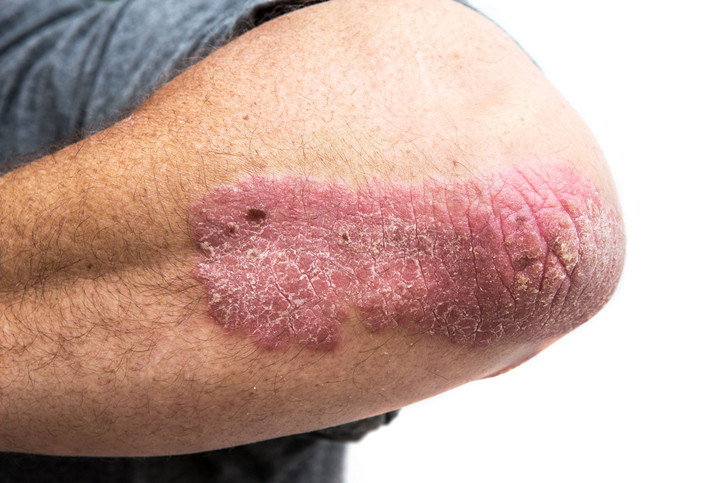
Psoriasis and cancer: What’s the link?
An analysis of studies found an association between people with psoriasis and an increased risk of developing several types of cancer. While this does not establish a definitive link, psoriasis is a relatively common condition and those who have it should be aware of its implications.

Can monitoring blood pressure at home cut maternal mortality?
Preeclampsia is a dangerous condition marked by hypertension that affects some women during late pregnancy or early weeks after birth. Rising rates of high blood pressure and maternal age increase risk for it. A recent study finds monitoring blood pressure at home may help.

If you have diabetes, a crop of new medicines may help your heart
People at high risk of heart disease get the most benefit from these costly drugs.
If you're a woman with diabetes, your risk of developing heart disease is four times that of a woman without diabetes. That means protecting your heart health should be a top priority. It starts with adopting heart-healthy lifestyle changes. But if you have a history of heart attack or stroke or are high risk for other reasons, your doctor may suggest a diabetes medication with extra benefits.
Women and their doctors can choose from a crop of new drugs that may reduce diabetes-related heart risks. "Today we're starting to try to customize or personalize an individual's preventive medicine. We take certain subgroups of patients — such as those with a past history of stroke, heart attack, or heart failure — and steer them toward specific drugs based on new data," says Dr. David Nathan, director of the Diabetes Center and Clinical Research Center at Massachusetts General Hospital and professor of medicine at Harvard Medical School.

Women less likely than men to receive potentially lifesaving heart device
Research we're watching
Women experiencing heart failure are less likely than men with the same condition to receive a mechanical heart pump designed to help blood circulate through the body, says a study published in the September issue of the journal Circulation: Heart Failure. The pump, called a left ventricular assist device, or LVAD, is typically used in people who have advanced heart failure. Looking at data from nearly 30,000 hospitalizations in which people received an LVAD device, the researchers found that women made up only 21.9% of those recipients. That number represented a decline from 2004, when 25.8% of LVAD recipients were women. The study's author said the difference might reflect a reliance on outdated statistics that showed women were more likely to die after receiving LVAD devices. This is no longer the case with new versions of the device.
Image: JFsPic/Getty Images

High risk for breast cancer? You might benefit from preventive medication
Research we're watching
Women at high risk for breast cancer might benefit from taking medication to prevent the disease, says a new recommendation from the U.S. Preventive Services Task Force (USPSTF), a national group of experts. Medications such as tamoxifen (Nolvadex), raloxifene (Evista), and aromatase inhibitors have been shown to help prevent invasive, estrogen receptor-positive breast cancer, but they can cause serious side effects, such as other cancers and blood clots. For some women, the potential benefits of these drugs outweigh those risks. The USPSTF, however, recommends against routine use of these medications for women who are not at high risk for breast cancer, because the potential benefit is much smaller. Women who are over age 35 and are at high risk for breast cancer or who have had previous benign breast lesions (such as atypical ductal or lobular hyperplasia or lobular carcinoma in situ) might want to discuss this recommendation with their doctor. The USPSTF encouraged doctors to weigh the risk of breast cancer against potential drawbacks of the medications and the individual woman's risk for adverse effects.
Image: ShutterOK/Getty Images
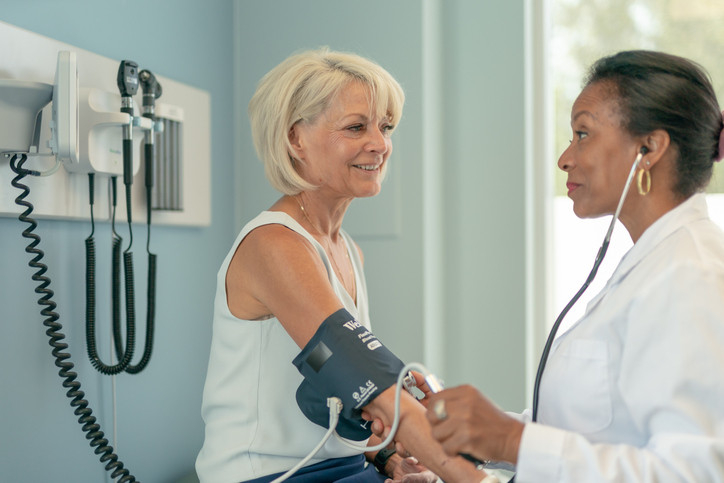
Could white-coat hypertension harm your heart?
People who have elevated blood pressure readings in a doctor’s office but normal readings elsewhere are said to have white-coat hypertension. A new study suggests that people with this condition face a greater risk of heart disease than those whose blood pressure is always normal.
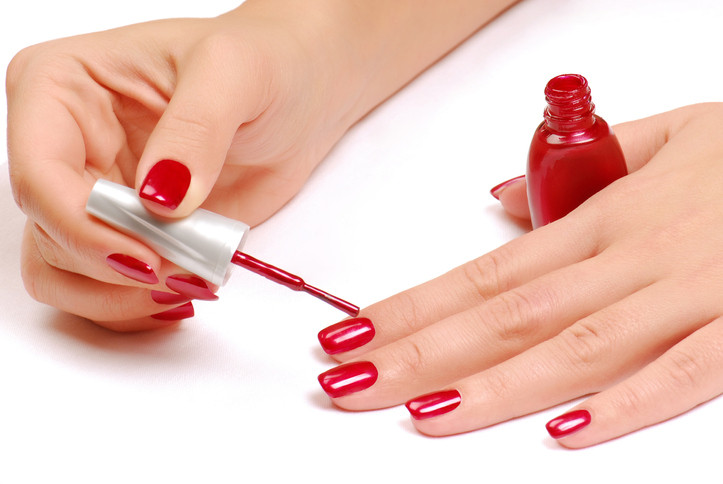
A look at the effects of nail polish on nail health and safety
Different types of nail polish can have varying effects on fingernails, and have pros and cons depending on the chemicals used in making them.
Healing after food poisoning
What is tempeh? Benefits, nutrition, and how to use it
Light exposure at night may raise risk for heart disease
Whole grains may improve several heart risk factors at once
A lumbar belt may help ease low back pain
Children of centenarians may stay healthier and live longer too, study finds
Signs of pneumonia: Sometimes vague and unexpected
The surprising link between ovarian cancer and the fallopian tubes
Using a vibration plate: What it can — and can't — do for your body
People who walk more or walk faster live longer, study finds
Free Healthbeat Signup
Get the latest in health news delivered to your inbox!
Sign Up
