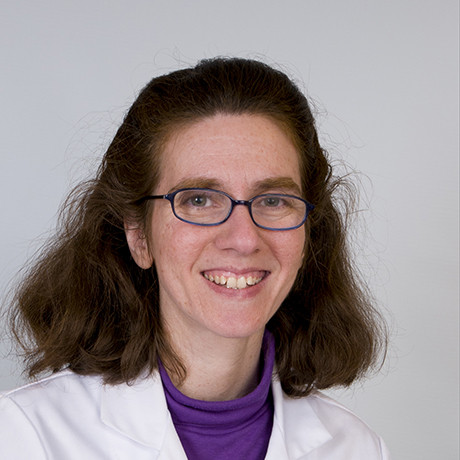
Howard LeWine, M.D.

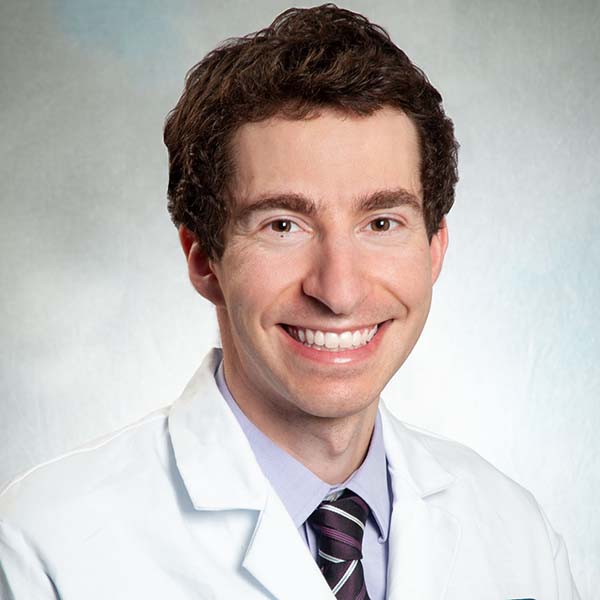
Howard LeWine, M.D., is a practicing internist at Brigham and Women’s Hospital in Boston and Chief Medical Editor of Internet Publishing at Harvard Health Publications.

Posts by Howard LeWine, M.D.

Howard LeWine, M.D.

New sunscreen labels offer clearer sunburn, skin cancer information

With the unofficial start of summer just a few days away, many people will soon be stocking up on sunscreen. The products they’ll be seeing in stores look different than they have in the past. That’s because new rules for sunscreen labels are now in effect. The changes are good ones for consumers. The new rules, mandated by the FDA, are making sunscreen more informative with less misleading information. For example, the term “sunblock” is banned because none of these products can block all of the sun’s ultraviolet rays. “Waterproof” is also banned, replaced by “water-resistant”—which must be accompanied by a set time for reapplication. Another big change has to do with SPF, or sun protection factor. The best protection comes from a sunscreen that provides broad spectrum protection, meaning it filters out much of the UVA and UVB. Under the new FDA rules, if a label says “broad spectrum,” the product must pass tests proving that it truly protects against both UVA and UVB rays. Sunscreen products that don’t meet an SPF of 15 or higher for both UVA and UVB must now carry a warning.

Howard LeWine, M.D.

Gov. Christie’s weight-loss surgery: a good idea for health

New Jersey Governor Chris Christie’s revelation yesterday that he had secretly undergone weight-loss surgery back in February shouldn’t come as a big surprise. He has been publicly (and privately) struggling with his weight for years and fits the profile of a good candidate for this kind of operation. In general, weight-loss surgery is appropriate for people with a body mass index (BMI) of 40 or higher, as well as for those with a BMI of 35 to 39.9 and a severe, treatment-resistant medical condition such as diabetes, heart disease, and sleep apnea, who had tried to lose weight other ways. Christie had a BMI of at least 41. He also acknowledged trying to lose weight many times, using different weight loss programs. He underwent laparoscopic gastric banding, also known as lap banding. There are also two other types of weight-loss surgery, gastric bypass and the gastric sleeve procedure.

Howard LeWine, M.D.

Distracted eating may add to weight gain

If you are worried about your weight, paying more attention to what you eat, not less, could help keep you from overeating. Multitasking—like eating while watching television or working—and distracted or hurried eating can prompt you to eat more. Slowing down and savoring your food can help you control your intake. That’s the bottom line from a report published in the April issue of the American Journal of Clinical Nutrition. It offers two key conclusions: 1) Being distracted or not paying attention to a meal tended to make people eat more at that meal. 2) Paying attention to a meal was linked to eating less later on. Mindful eating is a good solution. It can reduce daily calorie intake, help make healthier food choices, and add to the enjoyment of eating.

Howard LeWine, M.D.

Shared genes link depression, schizophrenia, and three other mental illnesses

Five seemingly different mental health disorders—major depression, bipolar disorder, schizophrenia, autism, and attention-deficit hyperactivity disorder—may be more alike than we think. A ground-breaking new study has identified four regions of the genetic code that carry same variations in people with these disorders. Two of the affected genes help control the movement of calcium in and out of brain cells. That might not sound like much, but this movement provides a key way that brain cells communicate. Subtle differences in calcium flow could cause problems that, depending on other genes or environmental factors, could eventually lead to a full-blown mental illness. But this work offers tantalizing hints that bipolar disorder, major depression, and schizophrenia—and possibly autism and attention-deficit hyperactivity disorder—may not be so distinct after all, but could be different manifestations of the same underlying disorder. This could change the way we view mental illness and open the door to more effective therapies.

Howard LeWine, M.D.

Alcohol: a heart disease-cancer balancing act

The message that drinking a little alcohol is good for the heart has gotten plenty of attention. A new study linking alcohol with increased risk of dying from various cancers may temper that message a bit. About 4% of cancer deaths worldwide are related to alcohol use. A new study shows the in the United States, alcohol causes 3.5% of cancer deaths, or about 20,000 cancer-related deaths each year. The most common alcohol-related cancers were mouth, throat, and esophageal cancer in men, and breast cancer in women. At the same time, drinking alcohol in moderation (no more than two alcoholic drinks a day for men and no more than one a day for women) has been linked to lower rates of heart disease and deaths related to it. Advances in genetics may one day let us predict more accurately who can use alcohol in moderation and who should avoid it completely. Until then, it’s best to personally weigh the benefits and risks, ideally with a trusted health care provider.

Howard LeWine, M.D.

For early breast cancer, lumpectomy is at least as good as mastectomy

When it comes to fighting cancer, “get it out” is a common and understandable response. It’s what prompts some women with early-stage breast cancer to choose mastectomy, an operation to remove the entire affected breast. Results from the largest-ever observational study offers reassurance to women who choose a more conservative approach—removal of just the tumor and some tissue around it (lumpectomy) followed by radiation therapy. In fact, the study showed that, as a group, women who chose lumpectomy plus radiation had lower death rates from breast cancer and all causes than women who chose mastectomy. The women who appeared to reap the biggest survival benefit from lumpectomy plus radiation therapy were those over age 50 with estrogen-positive breast cancer, with 13% lower mortality from breast cancer and 19% lower for all causes. The results were reported online today in the journal Cancer. For early-stage breast cancer, mastectomy has been proven to cure or at least retard the disease. It’s a reasonable and understandable choice, especially given how well breast surgeons today can reconstruct a breast. For women who choose to have lumpectomy plus radiation therapy, the new study provides yet more scientific reassurance that this approach is at least as good as mastectomy.

Howard LeWine, M.D.

Hearing loss may be linked to mental decline

Loss of hearing represents more than just difficulty hearing sounds. It can lead to social isolation and depression. A new study suggests that hearing loss may also be linked to loss of memory and thinking skills. In a study published online yesterday in JAMA Internal Medicine, Johns Hopkins researchers found that declines in thinking skills happened faster during a six-year period among people with hearing loss than among those without it. Among the nearly 2,000 volunteers, all over age 70, those with hearing loss we also likely to develop “cognitive impairment,” defined as a substantial reduction in the score on a key test called the Modified Mini-Mental State Examination. The researchers estimated that it would take a hearing-impaired older adult just under eight years, on average, to develop cognitive impairment compared with 11 years for those with normal hearing. This new study shows an association. It does not prove that hearing loss causes a decline in thinking skills. The work also raises a huge question: can treating hearing loss prevent or slow an age-related decline in brain function?

Howard LeWine, M.D.

Gene mutation key to aspirin’s benefit in people with colorectal cancer

Back in 2009, Dr. Andrew T. Chan and his colleagues at Harvard-affiliated Massachusetts General Hospital found that people diagnosed with colorectal cancer who took aspirin on a regular basis tended to live longer than those who didn’t take aspirin. Aspirin worked only for some people, though, so Chan and a larger team of researchers set out to learn why. Their latest work, published in the New England Journal of Medicine, indicates that people with colorectal cancer who have a mutation in a gene called PIK3CA are most likely to benefit from aspirin. (About 15% to 20% of people with colorectal cancer have this gene mutation.) The mutation permits colon cancer cells to thrive. Aspirin blocks this action. If confirmed, this work could lead to routine genetic testing for people with this common cancer, and aspirin therapy for those with the PIK3CA mutation.

Howard LeWine, M.D.

Surprises from science

Many medical studies confirm what we know or suspect. Every once in a while, though, one surprises us, turning “conventional wisdom” on its head. That just happened with the sudden shutdown of a long-running diabetes trial called Look AHEAD (Action for Health in Diabetes). Begun in 2001 and scheduled to last another two years, Look AHEAD was designed to see if an intensive diet and weight loss program could reduce the number of heart attacks, strokes, and other cardiovascular problems in people with type 2 diabetes. An early peek at the data showed that the program had little apparent effect, and the investigators concluded it would be futile to continue. This does not mean that we should ignore diet and exercise in treating of type 2 diabetes. Instead, the details of the study results, which haven’t yet been published, are likely to reveal other explanations.

Howard LeWine, M.D.

Doctor’s warning may prompt some to give up driving

In a car culture like ours, giving up the car keys can be a wrenching decision. Some see it as a loss of independence. For others, especially those who live in areas with poor public transportation, not driving makes it difficult to shop for groceries or see friends. But the fact is that some older people need to make that decision. Pleas from family members can sometimes do the trick. A special article in this week’s New England Journal of Medicine suggests that advice from a doctor can also help people who shouldn’t be behind the wheel any longer stop driving. There are no guidelines regarding who is fit to drive. Sadly, many people finally stop driving after they’ve crashed, or hurt someone. This is definitely a situation where “better safe than sorry” should rule.