

Even a little exercise linked with lower stroke risk in people with afib

Testosterone therapy without evidence of deficiency may boost heart risk

Weight-loss drug may lower risk of heart attacks and infections

What to eat on the DASH diet

Migraine: How it's diagnosed and what that means

Tricep workouts you can do at home

Mindfulness practices to reduce stress and improve focus

Antihistamines may not offer meaningful relief from eczema symptoms

Overweight and taking blood pressure medications: Study finds it's a trend that's working

FDA approves first mRNA-based flu vaccine
Vaccines and immunizations Archive
Articles
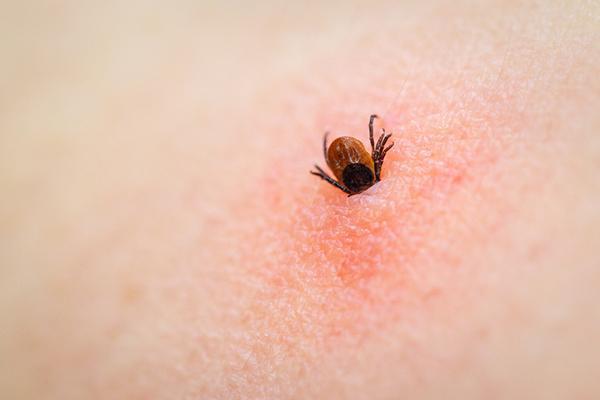
The problem with "classic" Lyme disease symptoms
Most people with early-stage Lyme disease symptoms develop a rash, but it often lacks bull’s-eye features—which many people have been told to look for. Other signs of Lyme disease include headache, neck pain, joint aches, and fatigue.
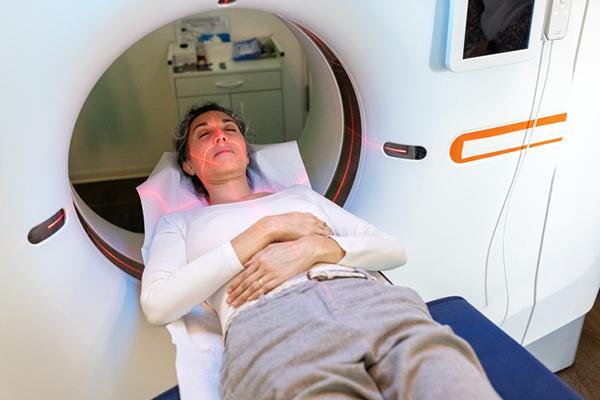
Full-body MRI screening: Reassurance or overdiagnosis?
Full-body MRI scans are marketed as a way to detect hidden cancers and other health conditions before symptoms appear. But these elective scans aren’t as precise as medically recommended MRIs and may reveal harmless abnormalities that lead to unnecessary follow-up tests.

STIs later in life: What men need to know
It’s possible for people of any age to contract sexually transmitted infections (STIs). STIs are sometimes symptom-free, making them easy to miss, pass along, and ignore.

Is it necessary to reduce a fever with ice packs or cold baths?
Cold baths and ice packs may feel instinctive when a fever hits, but most cases call for a different approach.

High-dose flu shot may lower risk of Alzheimer's
A 2026 study suggested that getting a high-dose flu shot may reduce older adults’ risk of developing Alzheimer’s disease compared with a standard-dose flu shot.
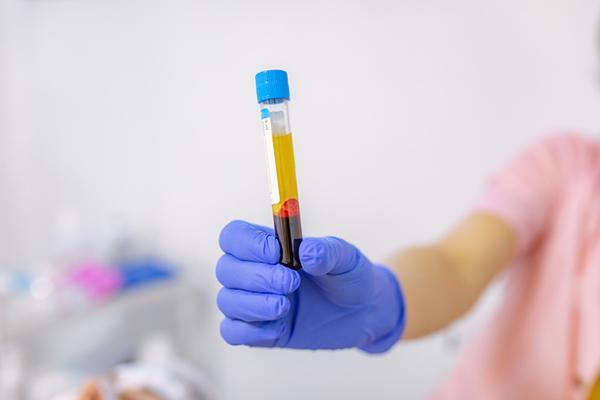
What could cause a high lymphocyte count?
An elevated lymphocyte count usually indicates a simple viral illness. Less often, it could indicate a blood cancer. How the number is calculated shapes what it may mean.
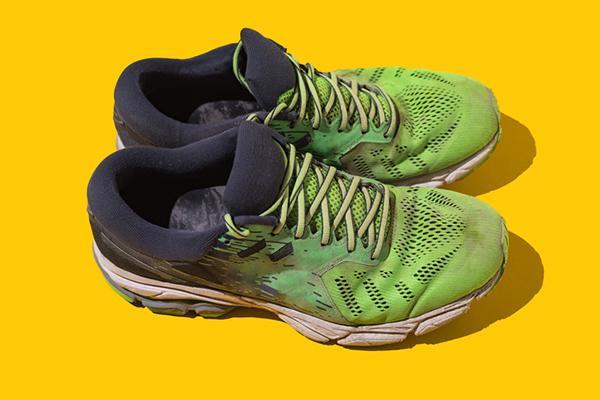
How long can athlete's foot fungus linger in shoes?
Warm, damp shoes can harbor fungus well after a skin infection clears. Fresh socks, antifungal powder, rotation, and retiring old shoes are all important.

Video: What you should know about germs
Your immune system constantly defends you from harmful germs like bacteria and viruses, but your body also hosts trillions of helpful microbes-your microbiome-that live on your skin, in your gut, and elsewhere. These "good" germs help digest food, make vitamins, protect you from harmful invaders, and help regulate inflammation.

Play helps children practice key skills and build their strengths
As devices become more pervasive, and as many children become more scheduled with lessons and organized activities, making time for device-free play can be a challenge. Here's why it's important prioritize free play in a child's life.

A muscle-building obsession in boys: What to know and do
Muscle dysmorphia is a preoccupation with a muscular and lean physique that is more pervasive in boys. Learn the signs of body dysmorphia as well as ways to encourage positive body image.
Even a little exercise linked with lower stroke risk in people with afib
Testosterone therapy without evidence of deficiency may boost heart risk
Weight-loss drug may lower risk of heart attacks and infections
What to eat on the DASH diet
Migraine: How it's diagnosed and what that means
Tricep workouts you can do at home
Mindfulness practices to reduce stress and improve focus
Antihistamines may not offer meaningful relief from eczema symptoms
Overweight and taking blood pressure medications: Study finds it's a trend that's working
FDA approves first mRNA-based flu vaccine
Free Healthbeat Signup
Get the latest in health news delivered to your inbox!
Sign Up
