

Even a little exercise linked with lower stroke risk in people with afib

Testosterone therapy without evidence of deficiency may boost heart risk

Weight-loss drug may lower risk of heart attacks and infections

What to eat on the DASH diet

Migraine: How it's diagnosed and what that means

Tricep workouts you can do at home

Mindfulness practices to reduce stress and improve focus

Antihistamines may not offer meaningful relief from eczema symptoms

Overweight and taking blood pressure medications: Study finds it's a trend that's working

FDA approves first mRNA-based flu vaccine
Vaccines and immunizations Archive
Articles
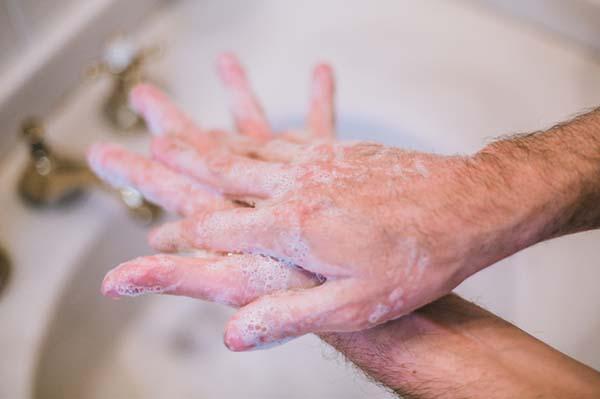
Can MRSA return after treatment?
A MRSA infection may be treatable, yet the bacteria can sometimes remain on the body and return. Find out what recovery and prevention involve.

What should pregnant women know about flu shots?
Pregnancy can change the balance of risks and benefits around flu vaccination. Key safety considerations may help guide a discussion with your obstetrician.
Many older adults get health information from self-defined experts online
A 2026 national survey suggested that half of all American adults under 50—and 35% of older adults—get health information from social media influencers or podcasters, the minority of whom are health care professionals. People should be skeptical of any advice from these sources.

Increasing daily steps may boost surgical recovery
After most types of surgery, early and increased walking appears to support a smoother recovery. A 2026 study found that increased daily steps above pre-surgery levels were linked with shorter hospital stays, lower complication rates, and fewer readmissions.

AI in healthcare: Can a chatbot answer your medical questions?
Artificial intelligence (AI) chatbots can answer medical questions, but they don’t replace the medical judgment of doctors. For patients, AI is currently most useful for understanding medical conditions, explaining doctor’s notes and lab reports, and helping to prepare for doctor visits.

Be wise about bee and wasp stings
In most cases, bee, wasp, or hornet stings can be treated with simple remedies. For example, placing a cold pack on the sting site helps reduce swelling. Applying over-the-counter hydrocortisone cream helps relieve swelling and itching, too. Taking an antihistamine—such as fexofenadine (Allegra) or loratadine (Claritin)—also eases itching. If symptoms persist for a few days, it’s time to call a doctor. If a severe allergic response develops—indicated by difficulty breathing or hives—it’s crucial to call 911 for help and get an injection of epinephrine as soon as possible.

Can stress cause Bell's palsy?
Explore what doctors know about Bell’s palsy triggers, from stress to viral infections and diabetes, and why pinpointing a cause is tricky

How to protect your health in a power outage
Staying at home during a power outage can be risky for your health. To be safe, take steps to maintain power for essential medical equipment, store medications properly, and prepare for other hazards.

Ringworm: What to know and do
Ringworm is a common, contagious skin infection caused by a fungus. Children can get it from other people who have it or from an infected animal. While it can be itchy and unpleasant, ringworm is usually harmless.
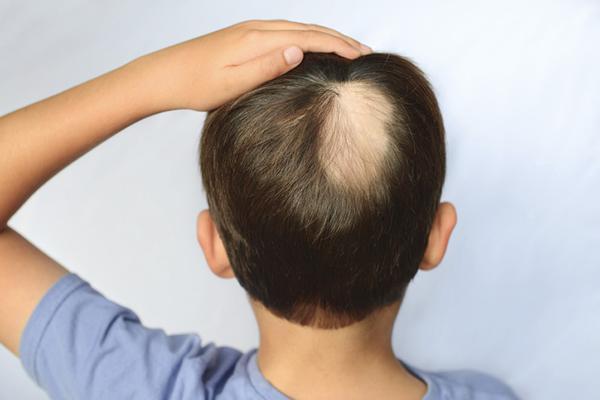
What could cause hair loss in a preteen boy?
Bald spots or thinning hair in pre‑teen boys can happen for a number of reasons. These include scalp infections, tight hairstyles, immune conditions, or stress.
Even a little exercise linked with lower stroke risk in people with afib
Testosterone therapy without evidence of deficiency may boost heart risk
Weight-loss drug may lower risk of heart attacks and infections
What to eat on the DASH diet
Migraine: How it's diagnosed and what that means
Tricep workouts you can do at home
Mindfulness practices to reduce stress and improve focus
Antihistamines may not offer meaningful relief from eczema symptoms
Overweight and taking blood pressure medications: Study finds it's a trend that's working
FDA approves first mRNA-based flu vaccine
Free Healthbeat Signup
Get the latest in health news delivered to your inbox!
Sign Up
