

Whole grains may improve several heart risk factors at once

Light exposure at night may raise risk for heart disease

Children of centenarians may stay healthier and live longer too, study finds

A lumbar belt may help ease low back pain

Signs of pneumonia: Sometimes vague and unexpected

The surprising link between ovarian cancer and the fallopian tubes

Using a vibration plate: What it can — and can't — do for your body

People who walk more or walk faster live longer, study finds

Rosacea treatments: What works?

For sleep apnea, a dental device may be as effective as CPAP
Vaccines and immunizations Archive
Articles
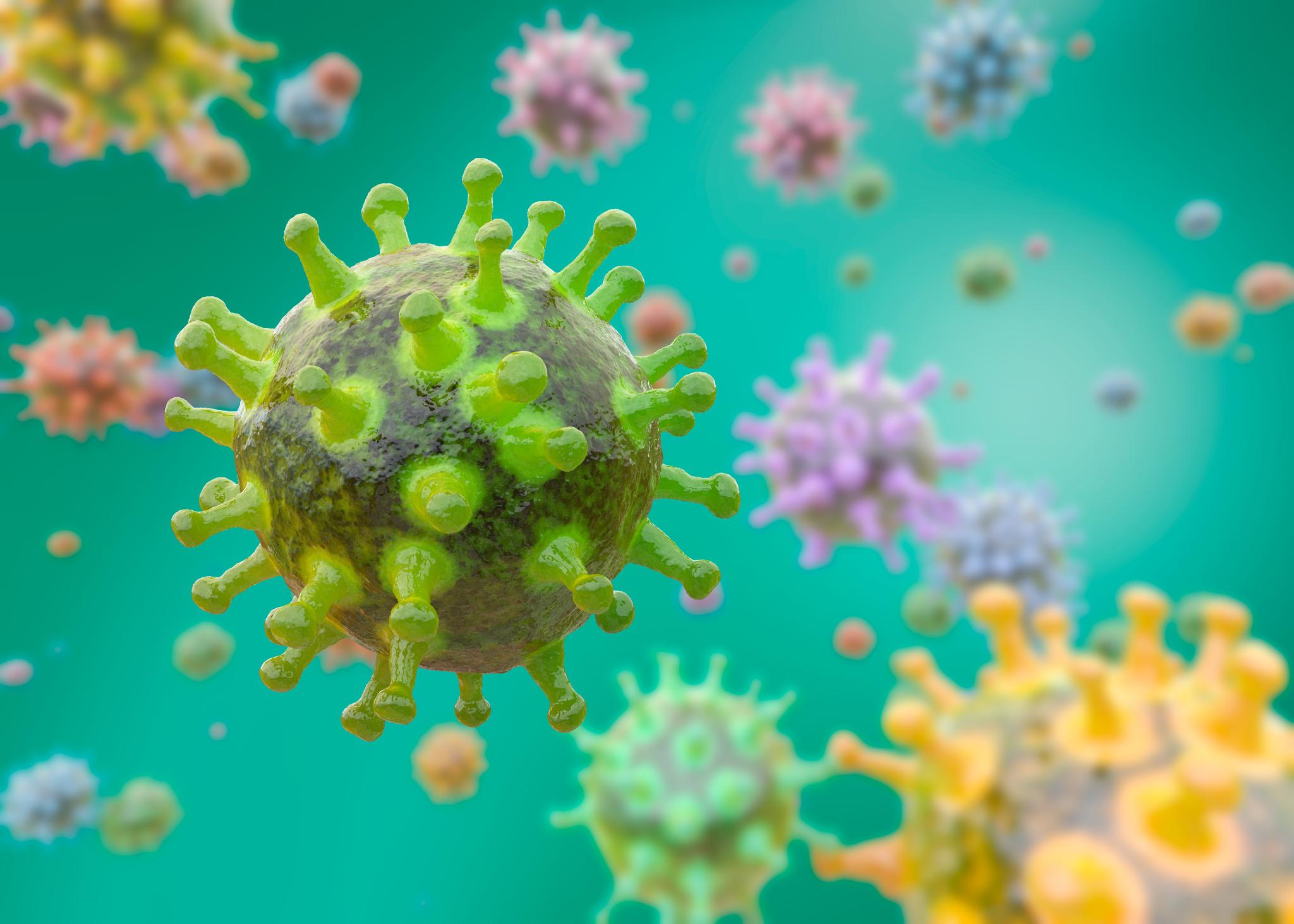
Video: What you should know about germs
Your immune system constantly defends you from harmful germs like bacteria and viruses, but your body also hosts trillions of helpful microbes-your microbiome-that live on your skin, in your gut, and elsewhere. These "good" germs help digest food, make vitamins, protect you from harmful invaders, and help regulate inflammation.

Play helps children practice key skills and build their strengths
As devices become more pervasive, and as many children become more scheduled with lessons and organized activities, making time for device-free play can be a challenge. Here's why it's important prioritize free play in a child's life.

A muscle-building obsession in boys: What to know and do
Muscle dysmorphia is a preoccupation with a muscular and lean physique that is more pervasive in boys. Learn the signs of body dysmorphia as well as ways to encourage positive body image.

10 signs that a child's stomachache could be something serious
Most childhood stomachaches are no cause for concern. However, stomach pain in kids should be treated seriously in any of these 10 cases.

What to do about sinusitis
Sinusitis occurs when blocked sinuses cannot drain and the backed-up mucus gets infected. The simplest and often most effective treatment is daily nasal irrigation. It can also help to drink a lot of water, inhale steam, and sleep with the head elevated.
Is mono a kids' virus only?
The Epstein-Barr virus that causes mononucleosis (mono) usually infects people during their childhood or the teenage years. The virus stays with people for life.

Helping children make friends: What parents can do
The COVID-19 pandemic affected children's developing social skills. Many children either didn't learn the skills they need to make friends - or those skills got rusty. Here are some ways parents can help.

Sibling rivalry is normal - but is it helpful or harmful?
Sibling rivalry is a remarkably normal feature of family life, but too much squabbling and competition can be hurtful, and can have lasting effects on children. What can parents do to manage this when it happens in their family?

Navigating a doctor shortage
A 2026 study indicates a precipitous decline in the number of primary care providers in the United States accepting new patients. Without a primary care doctor, people are more vulnerable to serious medical problems and may have trouble getting regular tests and prescriptions.

Do multivitamins make you healthier?
Taking a multivitamin does not reduce the chance of heart disease or mental decline, but it does reduce the risk of being diagnosed with cancer or developing cataracts.
Whole grains may improve several heart risk factors at once
Light exposure at night may raise risk for heart disease
Children of centenarians may stay healthier and live longer too, study finds
A lumbar belt may help ease low back pain
Signs of pneumonia: Sometimes vague and unexpected
The surprising link between ovarian cancer and the fallopian tubes
Using a vibration plate: What it can — and can't — do for your body
People who walk more or walk faster live longer, study finds
Rosacea treatments: What works?
For sleep apnea, a dental device may be as effective as CPAP
Free Healthbeat Signup
Get the latest in health news delivered to your inbox!
Sign Up
