

Whole grains may improve several heart risk factors at once

Light exposure at night may raise risk for heart disease

Children of centenarians may stay healthier and live longer too, study finds

A lumbar belt may help ease low back pain

Signs of pneumonia: Sometimes vague and unexpected

The surprising link between ovarian cancer and the fallopian tubes

Using a vibration plate: What it can — and can't — do for your body

People who walk more or walk faster live longer, study finds

Rosacea treatments: What works?

For sleep apnea, a dental device may be as effective as CPAP
Vaccines and immunizations Archive
Articles

Video: Incorporating Meditation Into Your Life
Meditation can be a natural part of everyday life, similar to maintaining a healthy diet or exercise routine. In this video, learn how meditation can be simple, flexible, and can be practiced almost anywhere.

What is considered a healthy body fat percentage as you age?
While there is no agreed-upon normal range for body fat, most men ages 60 to 79 should aim for 13% to 24% body fat. Measuring waist and hip size can provide an estimate of how much dangerous belly fat a person carries.

Can pernicious anemia be treated with vitamin B12 pills instead of injections?
Monthly vitamin B12 shots for pernicious anemia can be a hassle. Explore whether high‑dose vitamin B12 pills or other non‑injection treatments might be an option.

Navigating your online patient portal: Best practices
Online patient portals enable people to see their medical records, communicate with their doctors, and more. This improved access has advantages along some with potential pitfalls, which can be avoided.

Tips for adjusting to bifocals and other specialty lenses
Adjusting to bifocals, trifocals, or progressive lenses can be challenging. Unlike traditional glasses, these versions include two or more vision zones. Because people use different parts of the lens for different tasks, objects can seem slightly distorted when they move their eyes.
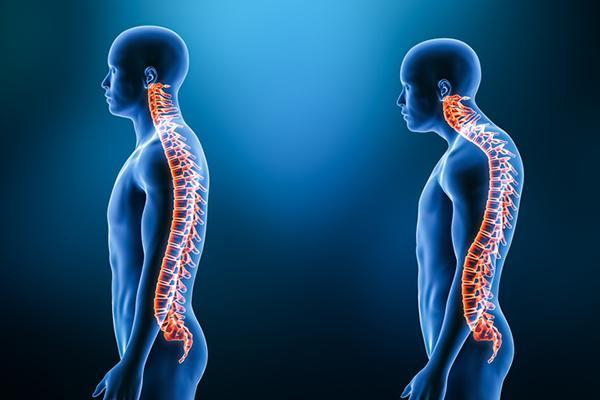
Can you prevent the hunched back of kyphosis?
Osteoporosis, age-related disc degeneration, and poor posture can cause or worsen a curved upper spine (hyperkyphosis). Maintaining bone health and strengthening the muscles responsible for good posture can help to slow the development of a curved spine.

What might be causing my anemia?
An anemia diagnosis can cause concern. Doctors can trace possible causes through clues that provide information about iron levels, hidden blood loss, nutrition, and bone marrow.
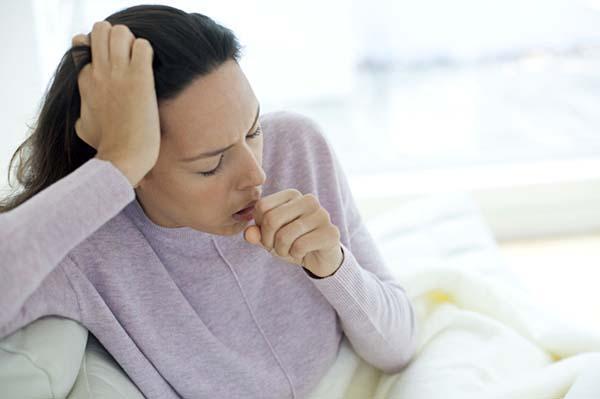
Could ongoing thrush be responsible for my chronic cough?
Mouth yeast infections sometimes extend beyond the tongue. But could thrush be responsible for throat irritation, swallowing trouble, and a stubborn cough?

Can I safely get the flu shot if I am breastfeeding?
Breastfeeding moms often worry about vaccines and their babies' safety. Explore how flu shots and nasal spray immunizations fit into postpartum protection.

How can I prevent spring allergies?
Last year's spring allergies were miserable. Learn when to begin antihistamines and nasal sprays so symptoms are blunted before pollen peaks.
Whole grains may improve several heart risk factors at once
Light exposure at night may raise risk for heart disease
Children of centenarians may stay healthier and live longer too, study finds
A lumbar belt may help ease low back pain
Signs of pneumonia: Sometimes vague and unexpected
The surprising link between ovarian cancer and the fallopian tubes
Using a vibration plate: What it can — and can't — do for your body
People who walk more or walk faster live longer, study finds
Rosacea treatments: What works?
For sleep apnea, a dental device may be as effective as CPAP
Free Healthbeat Signup
Get the latest in health news delivered to your inbox!
Sign Up
