










Can you prevent the hunched back of kyphosis?
Maintaining good bone health, posture, and ergonomics can help.
- Reviewed by Nancy Capparelli, PT, MSPT, OCS, Contributor
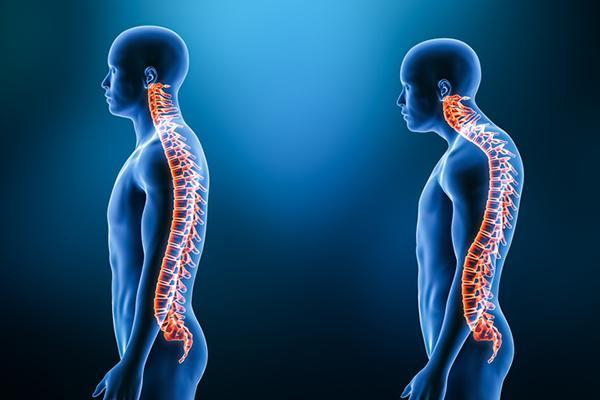
Having the bone-thinning disease osteoporosis puts you at risk for developing an excessive forward curve in the upper spine called hyperkyphosis, sometimes referred to just as kyphosis. But osteoporosis is not the only factor: Age-related degenerative changes in the spine and poor posture can also cause or worsen the condition. Plus, genetics plays a role in your risk.
You can't change your genes or stop the aging process. Still, "even if you're destined to have hyperkyphosis, you can slow down the process or reduce it to some degree," says Nancy Capparelli, a physical therapist at Harvard-affiliated Beth Israel Lahey Health.
What causes hyperkyphosis?
With osteoporosis, low bone density can lead to small breaks (compression fractures) in the vertebrae of the spine, often in the front part of these bones. Over time, some vertebrae can collapse, causing the spine to curve forward.
Shock-absorbing spacers (discs) sit between the vertebrae of the spine. Over time, these discs dry out and break down a bit, explaining why we lose height as we age. The force of gravity on degenerating discs also can cause you to bend forward at the upper spine.
Poor posture and weak muscles in the back and neck can also lead to spinal curvature or worsen it.
Maintain bone health
If you want to minimize the chance you'll develop kyphosis later, start now to maintain your bone health. Stay up to date on bone density scans, which for women should start at age 65 and for men at age 70. People with risk factors for osteoporosis should start screening earlier. Talk to your doctor about the timing.
Get adequate amounts of calcium, vitamin D, and weight-bearing exercise to keep bones strong. Recommended daily intake of calcium is 1,200 milligrams (mg) for women over 50 and men over 70, and 1,000 mg for men ages 51 to 70. The recommended daily intake of vitamin D is 600 international units (IU) for people up to age 70 and 800 IU after age 70. Weight-bearing exercises are activities in which your body actively supports its weight and works against gravity, such as walking, running, dancing, and using an elliptical trainer.
If you have low bone density, your doctor can prescribe medications to treat it.
Correct your posture
"One of the most important things you can do, sooner rather than later, is to pay attention to your posture and ergonomics," says Capparelli. Don't wait for your spine to start curving.
Avoid prolonged sitting. When working at a desk, take breaks about every 30 minutes. Use a chair with good back support. Don't spend long periods hunched over, staring at your device.
Practice maintaining an upright posture while sitting, standing, and walking. Keep your head up and aligned over your spine.
Strengthen postural muscles
The key to maintaining good posture is strengthening the muscles in the upper back, neck, and core. Doing this can also help prevent a curved spine from worsening. "The stronger your postural muscles are, the easier time they'll have holding you up," says Capparelli.
"I often see people start an exercise program by doing biceps curls and other exercises that only work the muscles in the front of the body," she says. "They don't work the upper- and mid-back muscles enough, so these people get muscle imbalance, which can contribute to hyperkyphosis."
A physical therapist can help you design a suitable program of exercises. Here are a few possibilities:
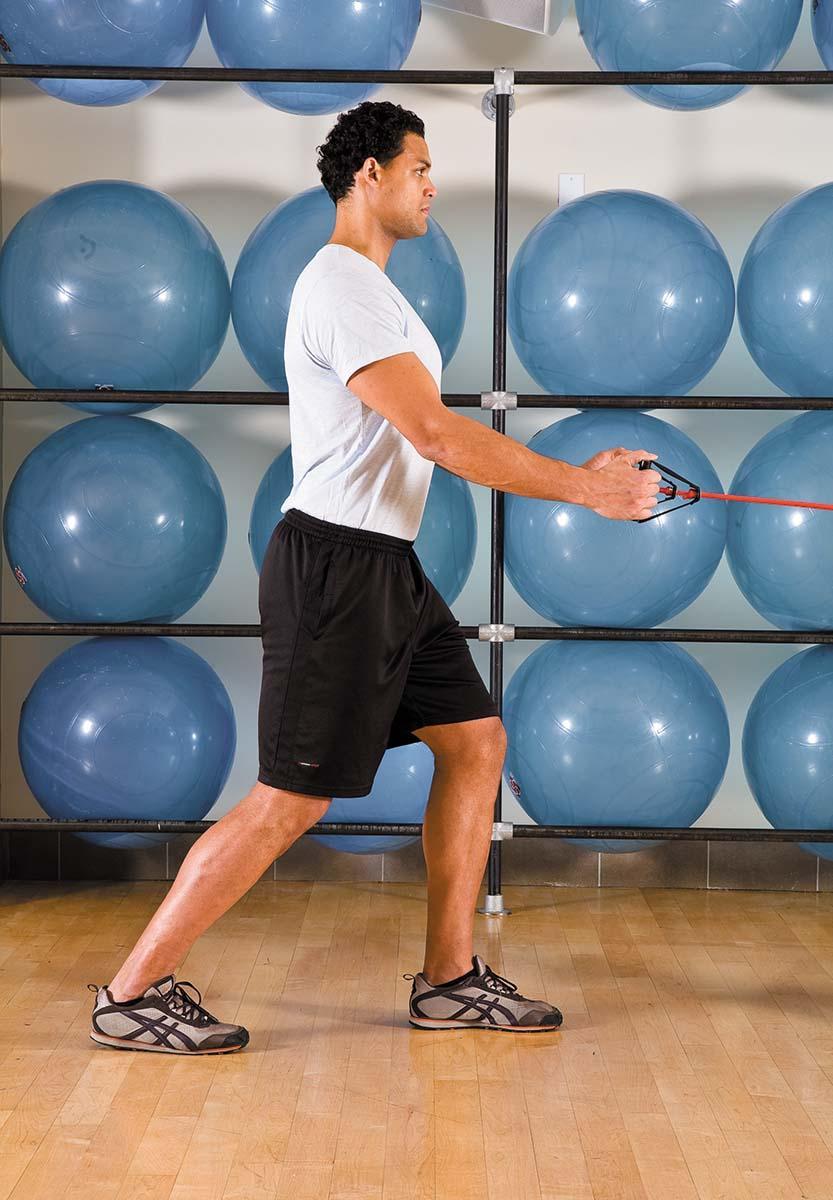
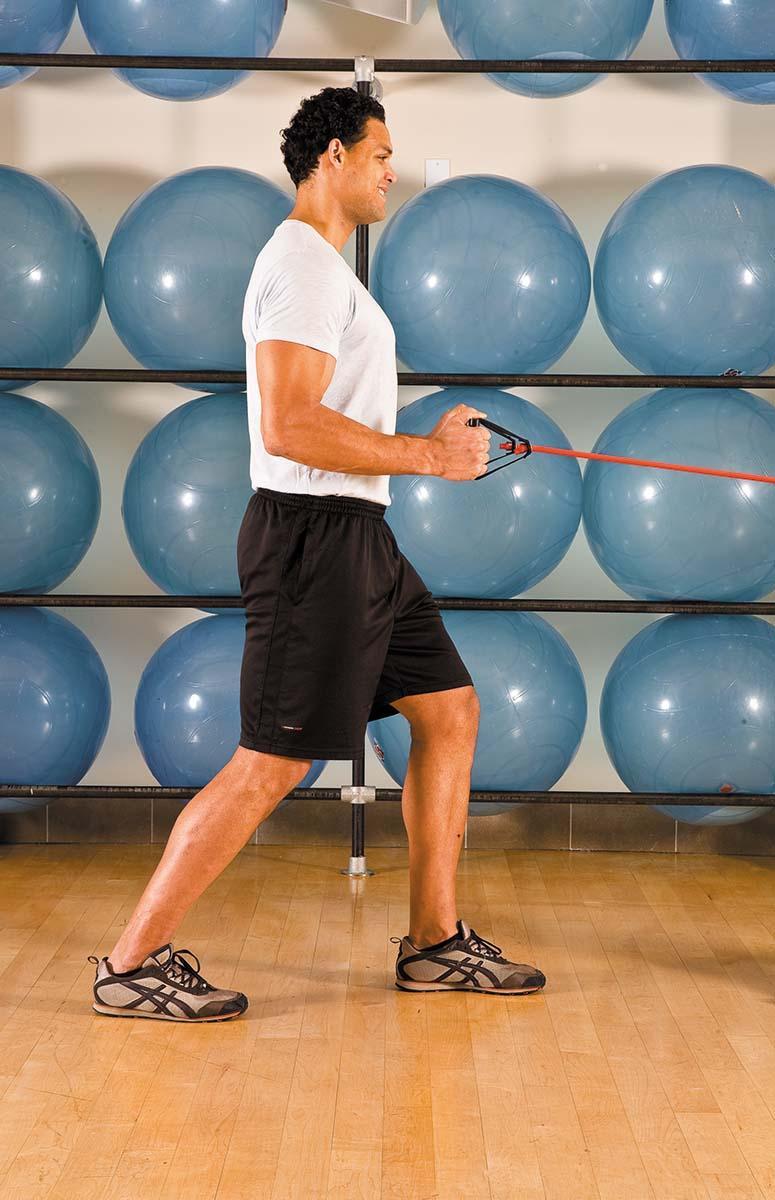
- Standing row: This strengthens the upper back muscles (see "Standing row").
- Shoulder extensions: Using a door anchor, secure the center of a resistance band overhead in front of you. Stand with your arms extended forward and your palms facing inward, holding the ends of the band. Pull your arms down to your sides, squeezing your shoulder blades together. Bring your arms back up, then repeat. Do a total of three sets of 10 repetitions.
- Plank: This strengthens the core muscles and is also a weight-bearing exercise (see "Plank").
When performing exercises, keep your head and neck straight and look ahead. "It's common for people to want to look down," says Capparelli. "But that accentuates the curve in the upper back and neck."
What to avoid
Some exercises and positions should be avoided if you have osteoporosis because they can increase the risk of compression fractures. For example, refrain from exercises and other activities that require you to repeatedly bend the spine forward, such as curl-ups (in which you lie on your back and lift your upper torso off the floor) and toe touches from a standing position. Curving the spine forward while holding a weight should also be avoided.
Standing row
Attach the middle of a resistance band to a door at about waist height. Grasp a handle in each hand. Stand up straight and face the door, far enough away from it to maintain tension on the band while your arms are extended. Extend your right leg straight back and press your right heel toward the floor, bending both knees slightly. Slowly bend your arms and pull back until your elbows are bent at a 90° angle, keeping your elbows close to your ribs and pointing behind you. Pause, then slowly return to the starting position. Perform three sets of 10 repetitions. |
Plank
Kneel on all fours with your hands and knees directly aligned under your shoulders and hips. Extend both legs with your feet flexed and toes touching the floor so that you balance your body in a line. Hold for 15 to 60 seconds. Do this up to three times. |
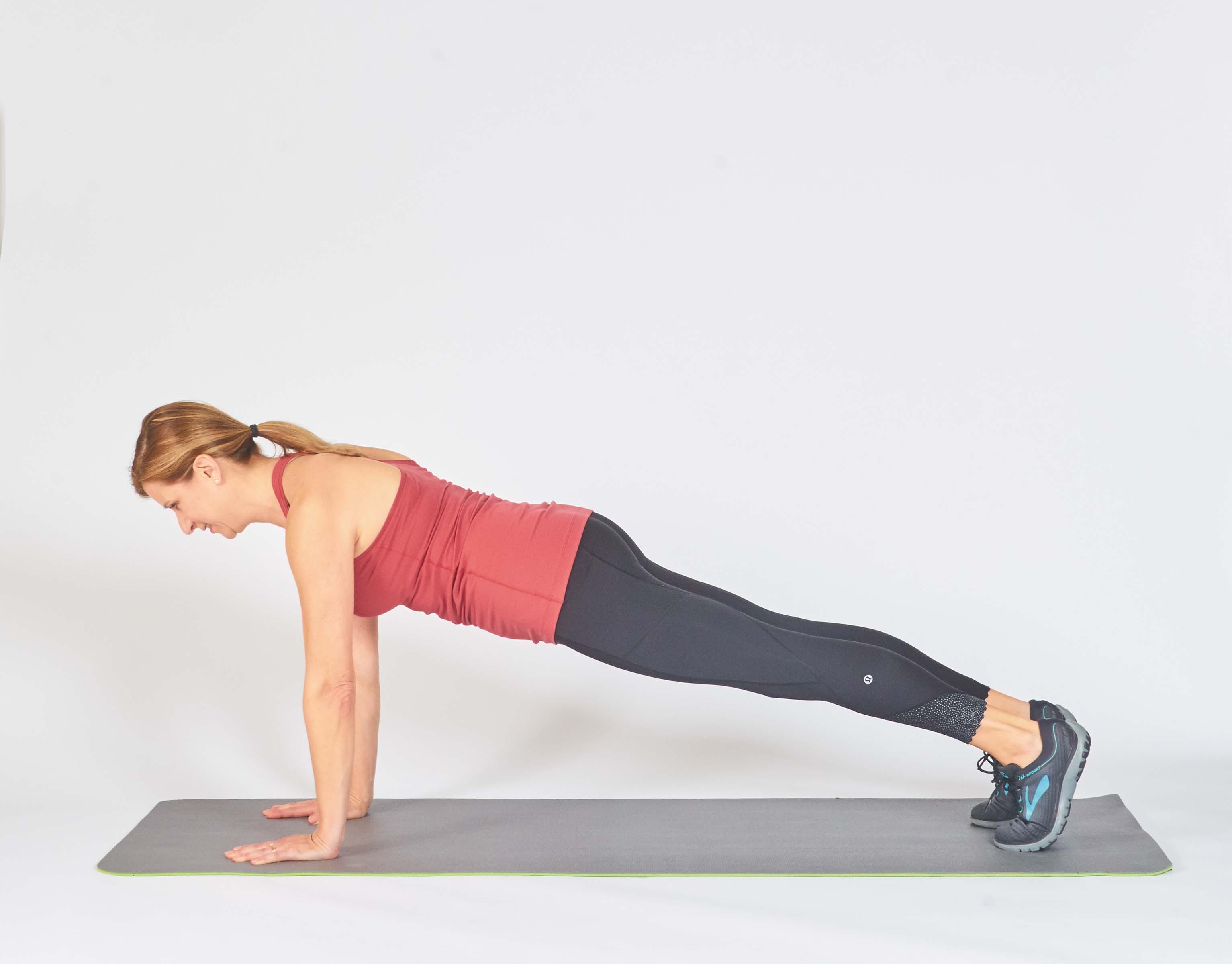
Image: © libre de droit/Getty Images; exercise photos by Michael Carroll (standing row) and Thomas MacDonald (plank)
About the Author
Lynne Christensen, Staff Writer
About the Reviewer
Nancy Capparelli, PT, MSPT, OCS, Contributor
Disclaimer:
As a service to our readers, Harvard Health Publishing provides access to our library of archived content. Please note the date of last review or update on all articles.
No content on this site, regardless of date, should ever be used as a substitute for direct medical advice from your doctor or other qualified clinician.


