

Signs of pneumonia: Sometimes vague and unexpected

The surprising link between ovarian cancer and the fallopian tubes

Using a vibration plate: What it can — and can't — do for your body

People who walk more or walk faster live longer, study finds

Rosacea treatments: What works?

For sleep apnea, a dental device may be as effective as CPAP

Carb cycling: What is it, and does it work?

Understanding orthorexia: Have your healthy eating goals gone too far?

Melatonin or magnesium: Can either supplement help you sleep?

Salmonella, E. coli, Cyclospora, and other germs that cause food poisoning: What you need to know
Skin and hair health Archive
Articles
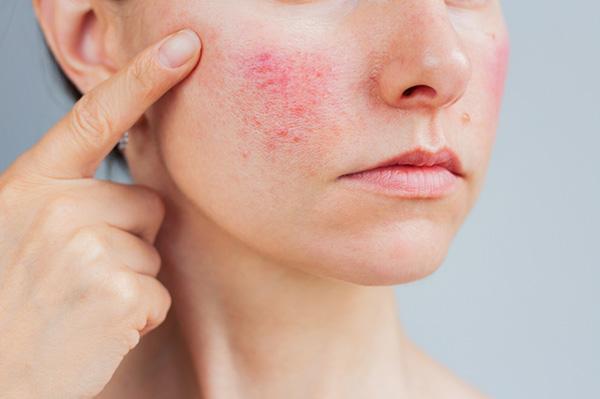
Rosacea treatments: What works?
Many prescription creams, gels, and pills can ease the redness, swelling, and pimple-like bumps of rosacea. A 2026 scientific review suggests ivermectin 1% cream (Soolantra) and encapsulated benzoyl peroxide cream (Epsolay)—are the most effective topical options for bumps.

Dealing with thick, discolored toenails
Nail fungal infections affect up to 14% of the adult population. While completely curing these infections is difficult, the right treatments can discourage the problem from spreading and make your nails look better.

Heat rash: How to spot it and what to do
Lingering heat waves have brought warnings about recognizing and preventing heat-related illnesses. Heat rash, while not dangerous itself, can signal heat exposure that may lead to more serious conditions. Here's how to avoid and treat it.

What can cause painful bumps on the shins?
A diagnosis of erythema nodosum can raise questions about what’s behind painful shin bumps and what doctors may check next during an evaluation.
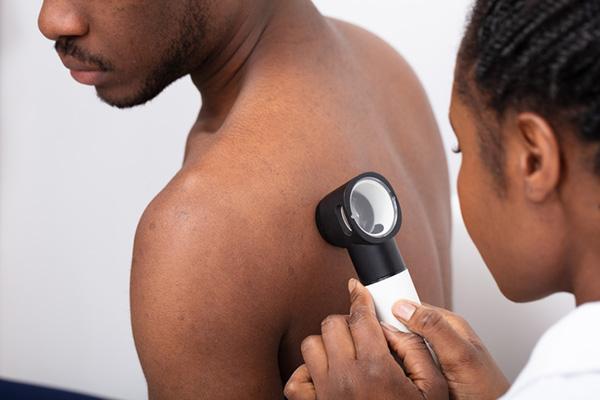
How does skin cancer differ in darker skin?
Skin cancer can look different across skin tones, and subtle changes may be easy to miss. Know which spots and locations deserve attention.
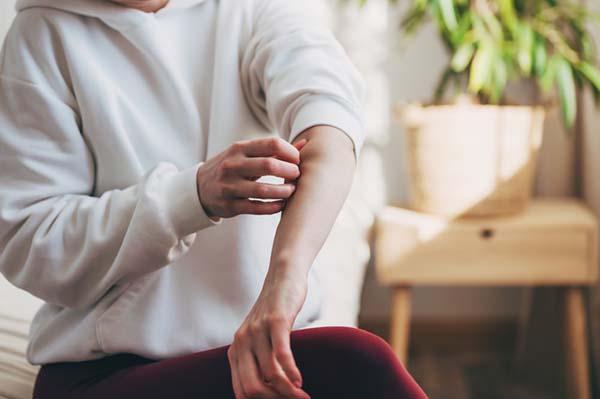
Antihistamines may not offer meaningful relief from eczema symptoms
A major review found that oral antihistamines had little effect in reducing atopic dermatitis (eczema) symptoms—and that first-generation (sedating) antihistamines may increase cognitive risks. The findings suggest that oral antihistamines should not be used routinely to treat eczema.
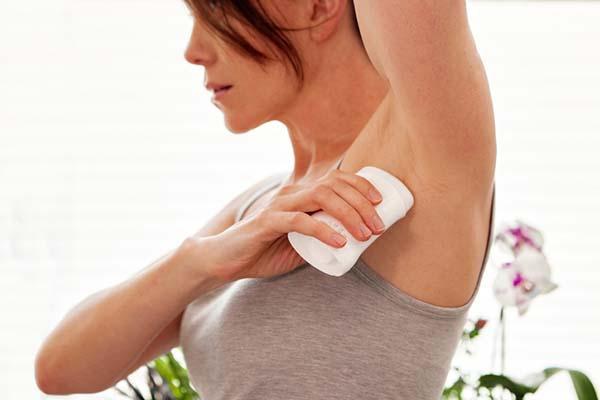
Why do some people suddenly become sensitive to deodorants?
Even after using a certain deodorant for years, people can develop allergic contact dermatitis to that product. Individuals who suddenly develop redness, itching, or a rash in their armpits should stop using their deodorant and switch to another product.

What treatments are available for actinic keratosis?
A dermatologist can confirm actinic keratosis and explain what to expect during evaluation, treatment and follow-up for sun-damaged skin.
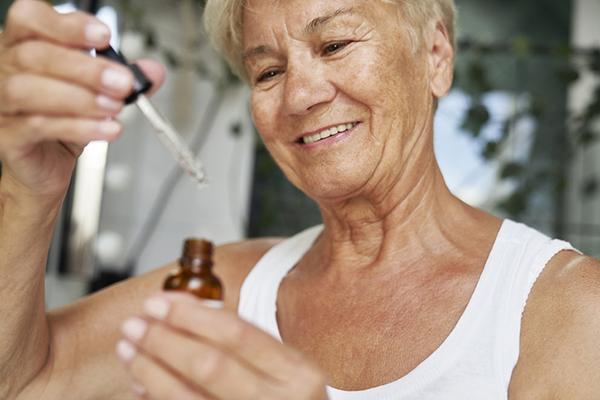
Hyaluronic acid for skin: Benefits, how to use it, and side effects
Hyaluronic acid is a naturally occurring compound in our bodies that attracts and binds water. It has become a widely used ingredient in a range of skin care products, from serums and moisturizers to eye creams and sunscreens. Using products formulated with hyaluronic acid can improve the look of aging skin by helping to replenish moisture and fill in or plump fine lines.
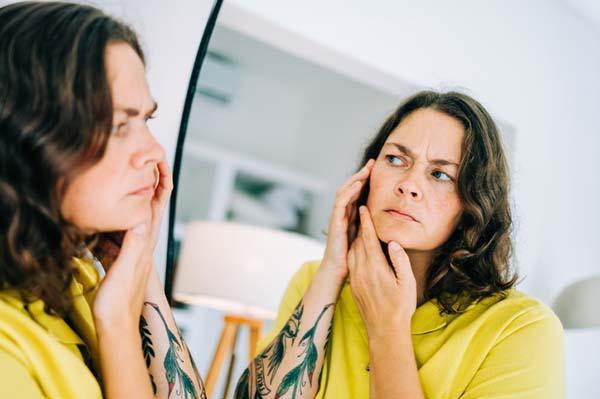
What causes dark patches after skin irritation?
Itchy, irritated skin can leave behind stubborn dark patches in unexpected places. Find out what may help restore your skin’s usual tone.
Signs of pneumonia: Sometimes vague and unexpected
The surprising link between ovarian cancer and the fallopian tubes
Using a vibration plate: What it can — and can't — do for your body
People who walk more or walk faster live longer, study finds
Rosacea treatments: What works?
For sleep apnea, a dental device may be as effective as CPAP
Carb cycling: What is it, and does it work?
Understanding orthorexia: Have your healthy eating goals gone too far?
Melatonin or magnesium: Can either supplement help you sleep?
Salmonella, E. coli, Cyclospora, and other germs that cause food poisoning: What you need to know
Free Healthbeat Signup
Get the latest in health news delivered to your inbox!
Sign Up
