

Carb cycling: What is it, and does it work?

Understanding orthorexia: Have your healthy eating goals gone too far?

Melatonin or magnesium: Can either supplement help you sleep?

Salmonella, E. coli, Cyclospora, and other germs that cause food poisoning: What you need to know

Shingrix shingles vaccine linked with lower heart disease risks

Harvard study: Healthier fats linked to longer life after prostate cancer diagnosis

Naturally gluten-free foods

Stair climbing may significantly lower cardiovascular risks

Estrogen-only hormone therapy tied to lower dementia risk

Should you have a hysterectomy?
Skin and hair health Archive
Articles
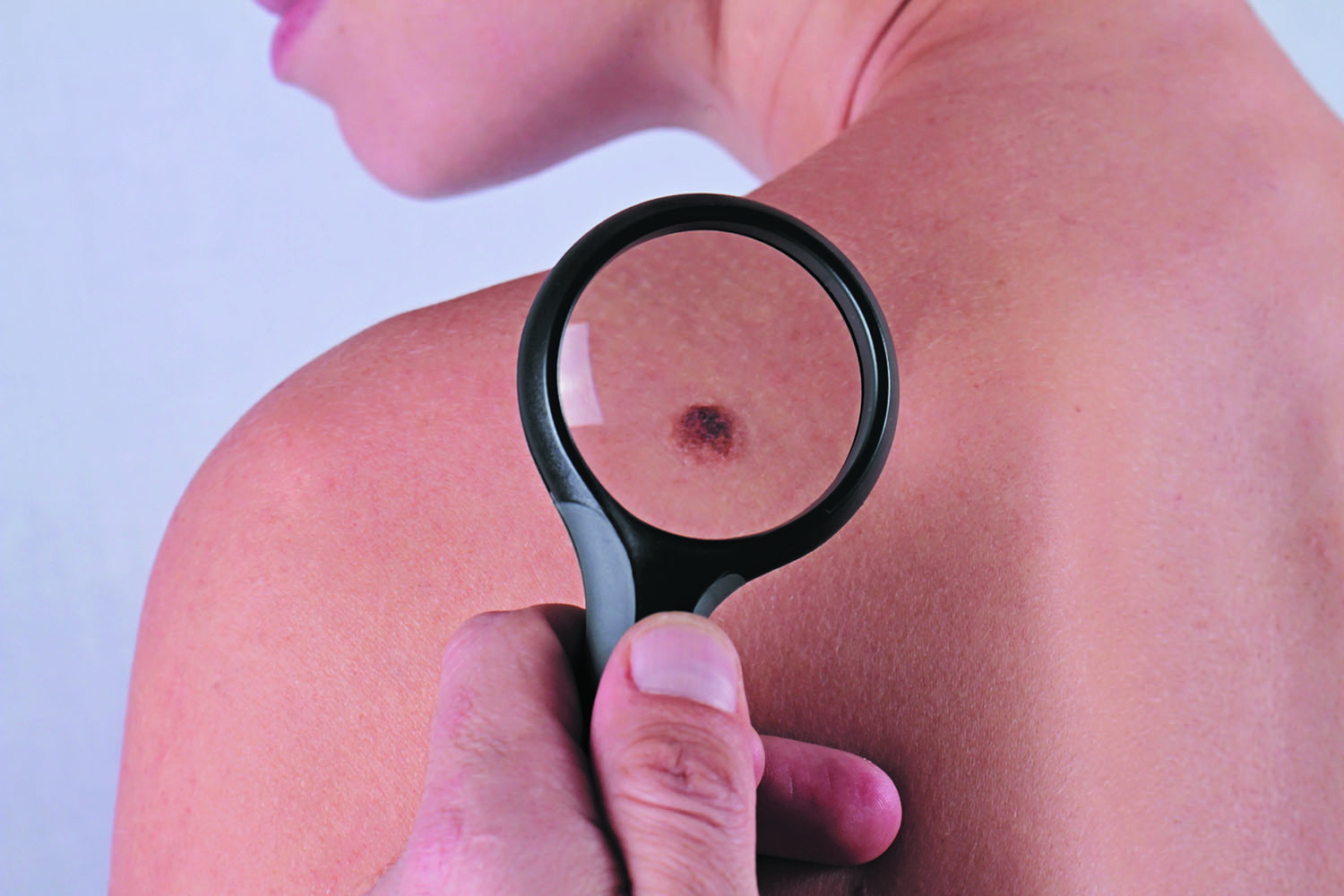
Most melanomas start as new spots
Research we're watching
Image: © ChesiireCat/Thinkstock
To catch skin cancer early, be on the lookout for new spots on your skin. A recent study found that more often than not, melanoma occurs as a new spot on your body — not as changes in an existing mole. The study, published online August 29 by the Journal of the American Academy of Dermatology, found that only 29% of melanomas came from an existing mole on the body that changed. In 71% of cases, melanoma occurred in a new lesion that popped up in a new place on the skin. In addition, the study authors noted that melanomas that do occur in existing moles tend to be thinner than melanomas in new lesions.
In addition to looking for new and unusual spots on your skin, remember your ABCDs to spot the signs of melanoma:

Melanoma isn’t the only skin cancer
Research we're watching
You probably know to have your skin checked frequently for the signs of melanoma. But you should also be looking out for another, more common type of skin cancer — squamous cell carcinoma. This potentially lethal skin cancer can show up on your skin as a white or pink bump, a non-healing sore, or even a scaly patch. According to the American Academy of Dermatology, cases of squamous cell carcinoma are on the rise, with some 700,000 new diagnoses each year.
"While other skin cancers may be more lethal, they're less common," writes Dr. M. Laurin Council, an assistant professor of dermatology at Washington University in St. Louis. "Squamous cell carcinoma is highly treatable when detected early, so it's important for people to know the signs of this disease and keep a close eye on their skin."

How much vitamin D should I take?
Ask the doctor
Image: © Boarding1Now/Thinkstock
Q. I'm confused about vitamin D. How much should I take?
A. There's considerable controversy as to whether most people should take a vitamin D supplement at all. Most of the vitamin D in our bodies is made by our skin, when it is exposed to sunlight. In contrast to most other vitamins, we don't get much vitamin D in our diet. Authorities recommend, however, that children from age 1, and adults through age 70, take 600 international units (IU) daily, and that adults 71 years and older take 800 IU daily. People with, or at risk for, certain bone diseases need to take more than this amount. There's general agreement that doses above 4,000 IU daily can be toxic to adults, with lower doses toxic to kids.

How clean should your skin be?
Soaps that strip away microbes aren't good, but it may be too soon to try products that add bacteria back.
You may have noticed that antimicrobial skin cleansers have disappeared from the shelves. In September 2016, the FDA ruled that over-the-counter antiseptic soaps and wash products containing triclosan, triclocarban, or 17 other antimicrobial agents could no longer be marketed because their manufacturers didn't demonstrate that the ingredients were both safe and effective in preventing the spread of infections. Moreover, the widespread use of antimicrobials is thought to promote the growth of antibiotic-resistant bacteria, like methicillin-resistant Staphylococcus aureus (MRSA), which can cause infections that are difficult to treat and even life-threatening.
You may also have noticed some new sprays, creams, and lotions whose purpose is just the opposite. Rather than eradicating microbes from our skin, these products, called probiotics, are designed to aid the growth of certain beneficial skin bacteria.
When is heavy sweating a problem?
On call
Image: © EunikaSopotnicka/Thinkstock
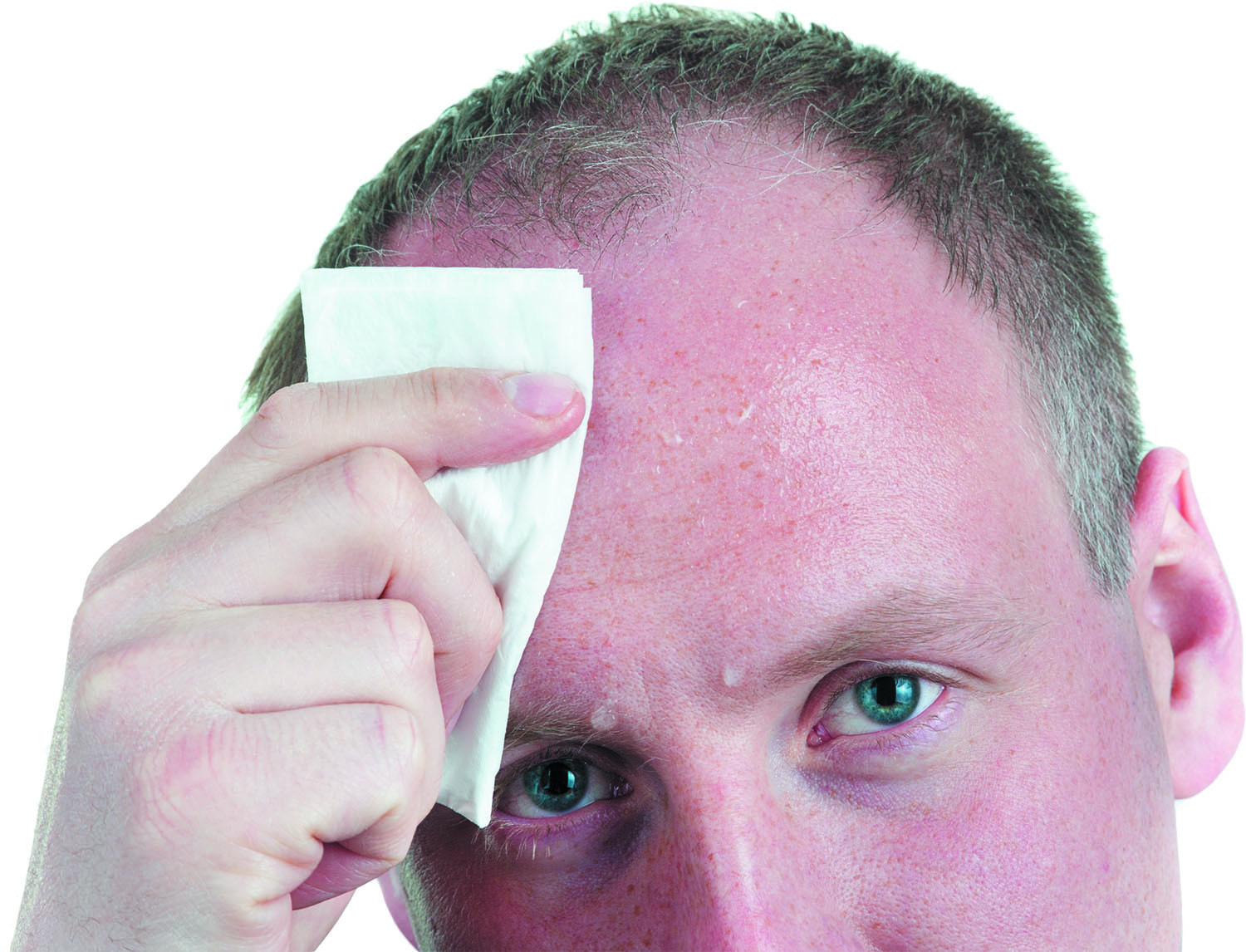
Q. I've noticed recently that I sweat excessively, regardless of the temperature. Should I be concerned?
A. Your genes can determine whether you sweat a lot, but a sudden change in your regular sweating may suggest an underlying condition. Sweating is regulated by your nervous system and can be triggered by a number of causes. The primary signal for perspiration originates in the brain in response to a temperature-related or emotional cue, and then is carried by the autonomic nervous system to the sweat glands in the skin.

Which is best for optimal sun protection — sprays or lotions?
On call
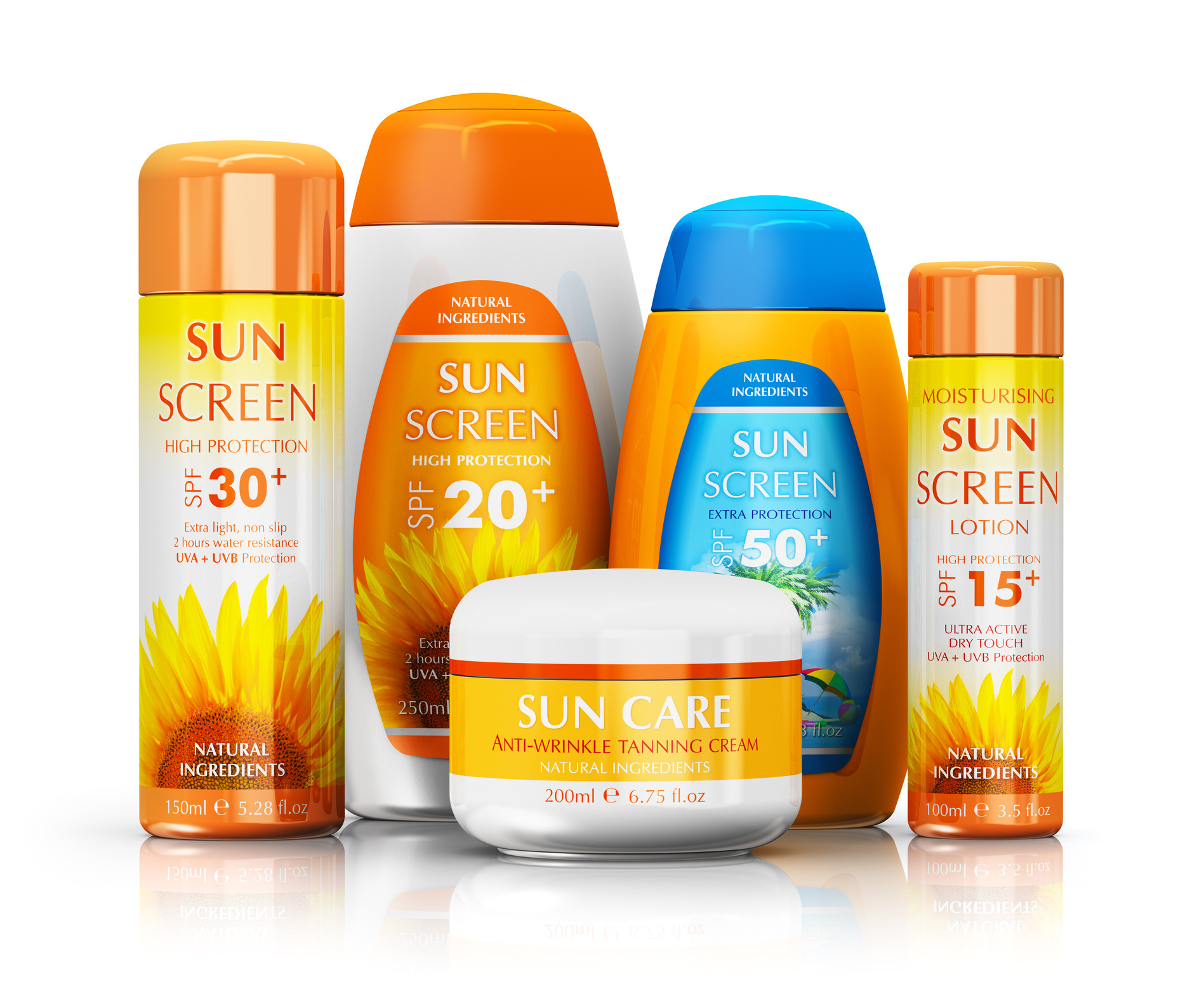
Q. I have a history of skin cancer, so I am careful with my sunscreen application. I recently heard that I should avoid spray sunscreens. Is that true?
A. Sunscreen use is highly recommended to help prevent skin damage from sun exposure. Spray sunscreens are popular because they are easy to apply and help cover hard-to-reach areas like the back and shoulders. However, they do raise a few concerns. One is the chance of inhaling some of the sunscreen ingredients or its propellant. The health risk from this is uncertain, but it may trigger asthma in susceptible men. The FDA has not specifically determined the health risks of inhaling sunscreen sprays, but recently advised not to use them near your face.
Why do I lose a lot of hair each fall?
Ask the doctors
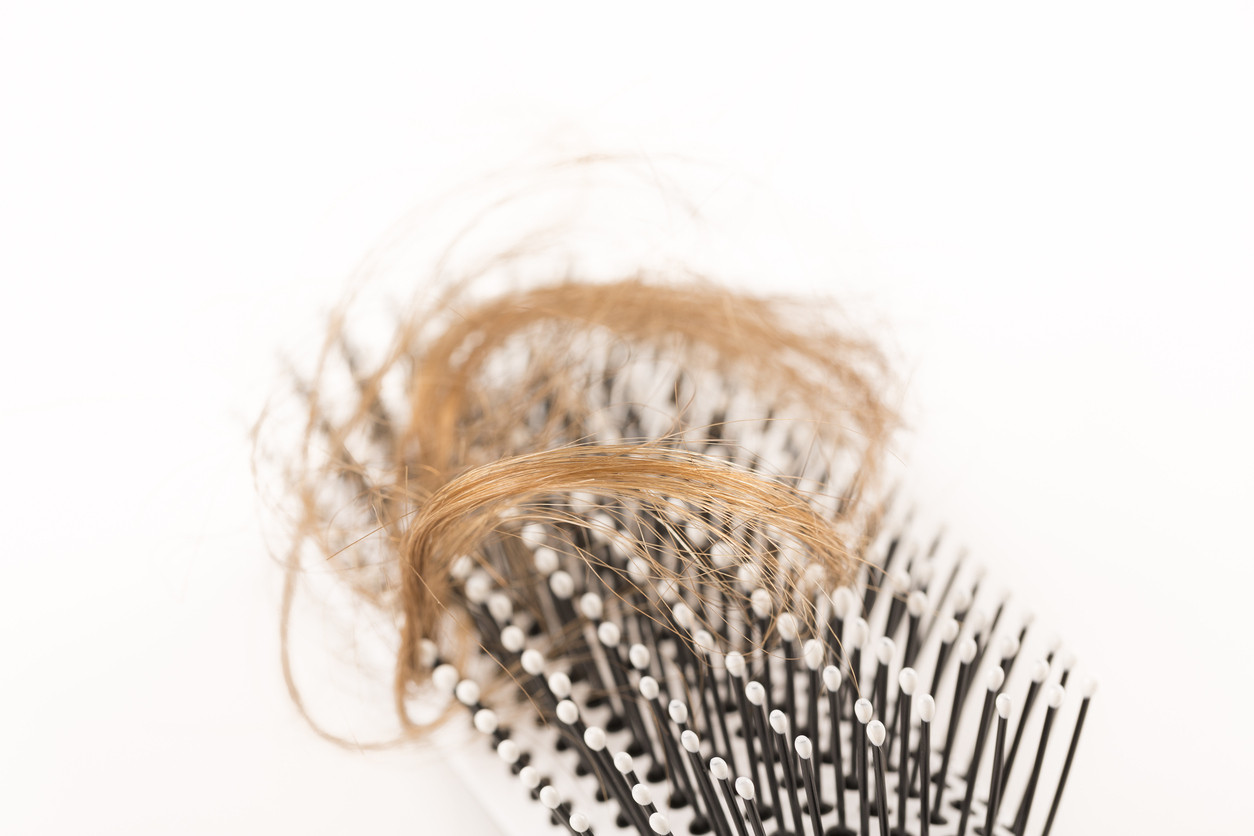
Q. I have fairly thick hair in the summer, but it seems to thin out in late fall. Is there anything I can do now to prevent losing hair in a few months?
A. Sadly, no. What you've experienced is common to all of us. On average, about 90% of the hairs on our heads are in the growing phase and about 10% are in the resting phase. After a few months in the resting phase, the hairs are shed. It's normal to shed up to 100 hairs a day.

Do gel manicures increase cancer risk?
Ask the doctors
Image: © Click_and_Photo/Thinkstock
Q. I like gel manicures because the polish doesn't chip easily, but I've heard that they may cause cancer. Is this true?
A. The gel polish itself hasn't been associated with an increased risk of cancer. However, lamps and light boxes, which are used to seal the polish during professional manicures, have raised concern. That's because many emit fairly high levels of UVA radiation, which plays a major role in the development of cancer. The level of risk depends on the frequency of manicures. A 2014 study in JAMA Dermatology indicated that the level of UVA exposure associated with a gel manicure every two weeks probably isn't high enough to increase the risk of skin cancer significantly.

Finding “ugly ducklings” may help detect melanoma
Research we're watching
Image: © Igor Gratzer/Thinkstock
In Hans Christian Andersen's classic fairy tale, the ugly duckling stands out from the flock because he's destined to become a swan. In dermatology, the "ugly duckling" is a mole that doesn't look like the rest of the moles on a person's body, and is often suspected to be a melanoma.
A team of French researchers decided to test whether finding an ugly duckling among all of a patient's moles is as effective a way of identifying melanoma as applying diagnostic criteria — like size, shape, color, and irregularity — to each mole separately. For the study, nine dermatologists studied images of 2,089 individual moles from 80 people. The images were presented to the dermatologists two different ways on two different days. On one day, they evaluated each image separately; on another, they looked for the ugly ducklings among the complete set of moles from each patient. They were able to flag the melanomas accurately both times. However, they were able to decrease the number of moles biopsied when they used the ugly duckling system.
Carb cycling: What is it, and does it work?
Understanding orthorexia: Have your healthy eating goals gone too far?
Melatonin or magnesium: Can either supplement help you sleep?
Salmonella, E. coli, Cyclospora, and other germs that cause food poisoning: What you need to know
Shingrix shingles vaccine linked with lower heart disease risks
Harvard study: Healthier fats linked to longer life after prostate cancer diagnosis
Naturally gluten-free foods
Stair climbing may significantly lower cardiovascular risks
Estrogen-only hormone therapy tied to lower dementia risk
Should you have a hysterectomy?
Free Healthbeat Signup
Get the latest in health news delivered to your inbox!
Sign Up
