

Carb cycling: What is it, and does it work?

Understanding orthorexia: Have your healthy eating goals gone too far?

Melatonin or magnesium: Can either supplement help you sleep?

Salmonella, E. coli, Cyclospora, and other germs that cause food poisoning: What you need to know

Shingrix shingles vaccine linked with lower heart disease risks

Harvard study: Healthier fats linked to longer life after prostate cancer diagnosis

Naturally gluten-free foods

Stair climbing may significantly lower cardiovascular risks

Estrogen-only hormone therapy tied to lower dementia risk

Should you have a hysterectomy?
Skin and hair health Archive
Articles

Common summer skin rashes
What to do about prickly heat, poison ivy, and other uncomfortable skin reactions.
Image: © LCOSMO/Getty Images
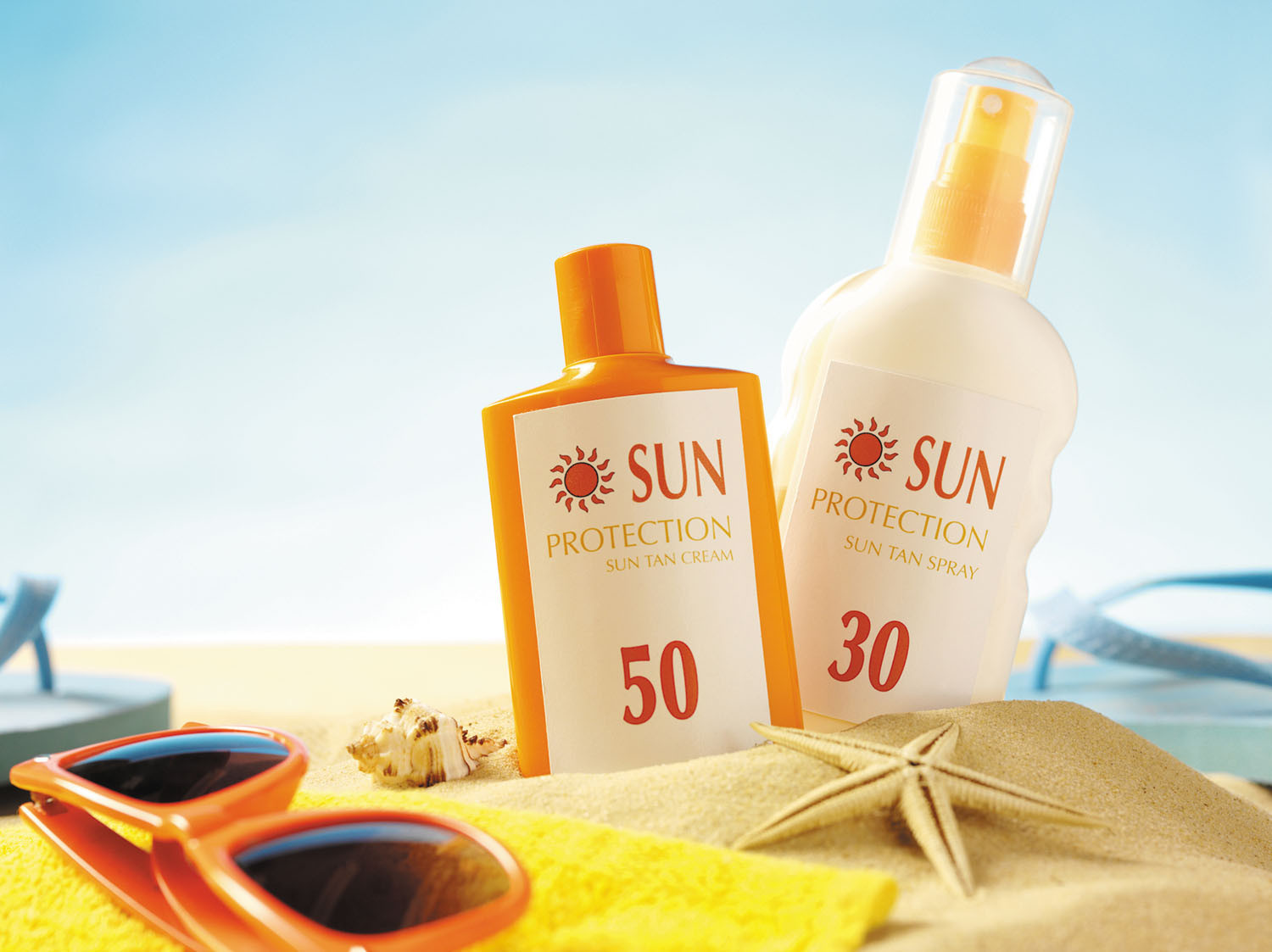
Sunburn is a big risk in the summer. You know the rules: seek the shade, wear protective clothing, and use a broad-spectrum sunscreen (with an SPF of at least 30). But sunburn isn't the only summer skin problem.
Plant-related rashes
Many people are allergic to urushiol, an oil found in poison ivy and poison oak. Exposure occurs when you touch the plant directly, maybe while gardening, or indirectly, by touching an object that's picked up the oil (like a shoe). You can spread the oil wherever you touch your body until the oil is washed off. Two to 10 days later, the affected skin develops a red, itchy, blistering, oozing rash. It's not contagious, though you may feel like it's spreading. "The allergic reaction continues to unfold even after you've washed off the oil," says Dr. Jason Frangos, a dermatologist at Harvard-affiliated Brigham and Women's Hospital.

Is there a way to treat seborrheic keratosis?
On call
Q. Years ago, my doctor told me a skin growth on my back was a seborrheic keratosis. Now I have more, and they seem to be multiplying over time. Is there any way to prevent them?
A. Seborrheic keratoses are raised, rough lesions that appear as a waxy brown, black, or tan growth. This common skin condition often shows up after age 50 on the trunk, back, face, or neck. The good news is that even though keratoses can increase in number over time, they aren't cancerous or contagious.

Is poison ivy contagious?
Ask the doctors
Q. I'm very allergic to poison ivy. My spouse currently has a bad poison ivy rash that he got while trimming some bushes in our yard. I'm afraid I'm going to get a rash from him. Is it contagious?
A. Good news: poison ivy rashes are not contagious. You will get a rash from poison ivy only if you come into contact with urushiol oil, which is the plant oil in poison ivy that triggers the rash. In addition, a poison ivy rash, even one with open blisters, won't spread to other areas of the body. The rash only occurs on parts of the body that were actually exposed to the plant oil. Poison ivy rashes can appear to spread if urushiol oil is trapped under your fingernails and you scratch an itch. While you can't get a rash from coming from your spouse, you can get it from clothing or other items that have the plant oil on them. For example, the clothes your spouse was wearing that came into contact with the poison ivy plant. Poison ivy oil can cling to garden tools or even pet fur. The oil from poison ivy is known to linger. According to the FDA, it can stick around on surfaces, sometimes for years, until it is washed away using water or rubbing alcohol. So be certain that all surfaces that are potentially contaminated are cleaned thoroughly to reduce your risk.


Beware do-it-yourself cosmetic injections
Research we're watching
Cosmetic procedures, including injection of neurotoxins (like Botox) and dermal fillers, have become very popular for their power to smooth wrinkles and minimize signs of aging. But the American Academy of Dermatology is warning that these procedures are not for DIYers. An article published in the April 2020 issue of the Journal of the American Academy of Dermatology outlined an uptick in the number of illegal injectable fillers and neurotoxins being sold to the public online. When used by trained providers, these products are generally safe, but serious complications can arise, including stroke, infections, blindness, and tissue death. In rare cases, improper use leads to fatal complications. Some people have been purchasing these products online and following Internet tutorials to inject the products themselves. If you are planning on having any of these treatments, be certain to have the procedure performed in a medical office by a licensed medical professional.
Image: © Anastasiia Kurman/Getty Images

Take a soak for your health
The benefits of tub baths are more than skin deep. Bathing regularly can help ease pain and potentially benefit your heart.
You know that sinking into a warm bath at the end of a long day can help you relax and unwind, but did you know it might also be good for your health? Research shows that using baths as a form of medical therapy, sometimes referred to as balneotherapy (see "Balneotherapy, or bath therapy"), can bring health benefits — among them, easing certain types of chronic pain, helping your skin, and potentially even improving heart health.
Balneotherapy, or bath therapyThe name balneotherapy is derived from the Latin word balneum, or bath. Today, balneotherapy may refer to the use of a typical bath (warm or cold) as a treatment for an illness or condition. However, the term historically and sometimes still refers to mineral baths or mineral-rich mud packs to coat the body. Some medical professionals also consider saunas or steam baths as balneotherapy. |

Medication and your skin
Certain drugs or treatments may affect the skin, causing side effects like excessive dryness or blue spots.
Having problems with your skin? You may want to look in your medicine cabinet. Numerous prescription drugs and even over-the-counter treatments may bring unexpected skin changes, says Dr. Suzanne Olbricht, an associate professor of dermatology at Harvard Medical School. Medications to look out for include the following.
Blood-thinning medications
Spontaneous bruising that occurs even without bumping into something becomes more common as you get older. Doctors call it senile or actinic purpura and it happens often in people who take medication to prevent blood clots, such as warfarin (Coumadin) or even a baby aspirin. "As you age, the dermis, the thick middle layer of the skin, begins to thin and doesn't support the blood vessels inside as well as it used to," says Dr. Olbricht. This can make the blood vessels more likely to break. Even the tiniest injury can release blood under the skin, leading to the discoloration and dark purple bruises that characterize this condition.

About face
This daily routine can help your aging skin stay healthy.
Your skin goes through many changes as you age. All you need to do is look in the mirror.
Aging skin loses fat and becomes thinner and drier. Red and pimply spots can appear on the face (a condition known as rosacea).

What your skin should expect when you're expecting
Carb cycling: What is it, and does it work?
Understanding orthorexia: Have your healthy eating goals gone too far?
Melatonin or magnesium: Can either supplement help you sleep?
Salmonella, E. coli, Cyclospora, and other germs that cause food poisoning: What you need to know
Shingrix shingles vaccine linked with lower heart disease risks
Harvard study: Healthier fats linked to longer life after prostate cancer diagnosis
Naturally gluten-free foods
Stair climbing may significantly lower cardiovascular risks
Estrogen-only hormone therapy tied to lower dementia risk
Should you have a hysterectomy?
Free Healthbeat Signup
Get the latest in health news delivered to your inbox!
Sign Up
