

Carb cycling: What is it, and does it work?

Understanding orthorexia: Have your healthy eating goals gone too far?

Melatonin or magnesium: Can either supplement help you sleep?

Salmonella, E. coli, Cyclospora, and other germs that cause food poisoning: What you need to know

Shingrix shingles vaccine linked with lower heart disease risks

Harvard study: Healthier fats linked to longer life after prostate cancer diagnosis

Naturally gluten-free foods

Stair climbing may significantly lower cardiovascular risks

Estrogen-only hormone therapy tied to lower dementia risk

Should you have a hysterectomy?
Skin and hair health Archive
Articles


Hair thinning? Get to the root of the problem
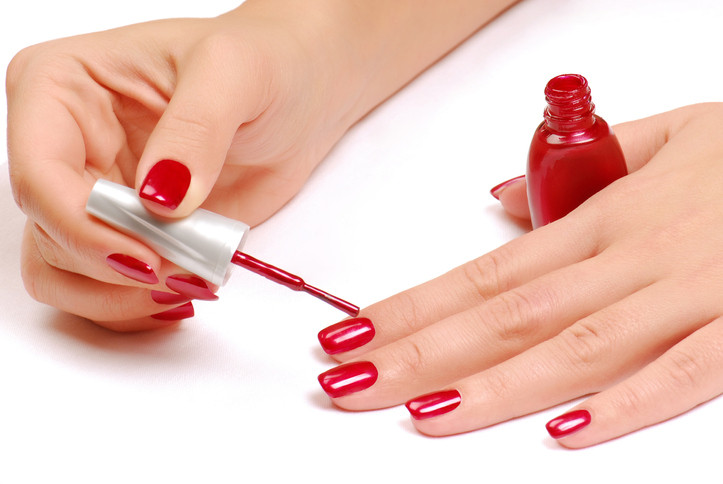
A look at the effects of nail polish on nail health and safety
Different types of nail polish can have varying effects on fingernails, and have pros and cons depending on the chemicals used in making them.

How do I get rid of dandruff?
Ask the doctors
Q. I have terrible dandruff that just doesn't seem to ever clear up. What can I do to treat it?
A. For most people, using a dandruff shampoo once or twice a week can control this annoying condition, in which the skin on the scalp becomes dry and flakes off. But in some cases, the condition doesn't clear up and actually requires medical attention.

Daily skin care in 3 simple steps
A widely-advertised facial moisturizer claims to be the best on the market — and sells for $225 per bottle. Should you buy it? Another brand offers a complete skin care regimen — but it comes in 10 different bottles of lotions and potions that all need to be applied daily. Is it worth your time?
Despite manufacturers' claims, many cosmetic products will remove more cash from your wallet than dirt and oils from your skin. You don't need an expensive or lengthy skin care routine — and the good news is, the most effective and reliable regimen is also quick and inexpensive.

Get relief from eczema
Eczema is an itchy rash that's often hard to get rid of. Most people can't help scratching it, which further irritates the skin. Eczema is often, but not always, related to allergies. A common cause is your skin overreacting to everyday irritants, such as dust, soaps and detergents, or even dry, cold air, which triggers an intensely itchy allergic reaction.
Skin affected by eczema becomes dehydrated and dry easily, so treatment involves rehydrating the skin. Baths and showers must be short and not too hot. Afterwards, gently pat your skin dry and promptly apply moisturizers while your skin is still moist. Thick creams that lock in the moisture help the most. Be sure to choose creams or lotions without fragrances or preservatives. Limit the use of soaps and shampoos, too. These products remove the skin's natural oils and worsen dryness. And over-the-counter oral antihistamines can help with the ferocious itch.

Vitiligo: More than skin deep
Approximately 1% of the population has vitiligo, a skin condition in which areas of skin lose their color. While topical treatments and light therapy help some, research with a class of medications not previously used for this condition has shown promising results.


Stay ahead of skin cancer
Learn to spot an actinic keratosis before it becomes cancerous.
About 58 million people have at least one actinic keratosis (AK), a precancerous skin growth caused by too much sun exposure.
Yet most people don't see the potential danger in these lesions because they are small, with few if any annoying symptoms, and can go away almost as fast as they appear.

Are sunstroke and heatstroke the same?
On call
Q. Is there any difference between sunstroke and heatstroke and are there certain signs and symptoms I should look for?
A. These two terms refer to the same condition. Heatstroke (or sunstroke) happens when the body can no longer maintain a temperature of under 105° F when exposed to hot weather. People almost always have warning symptoms before heatstroke, yet sometimes they do not pay attention, or are not able to take action.
Carb cycling: What is it, and does it work?
Understanding orthorexia: Have your healthy eating goals gone too far?
Melatonin or magnesium: Can either supplement help you sleep?
Salmonella, E. coli, Cyclospora, and other germs that cause food poisoning: What you need to know
Shingrix shingles vaccine linked with lower heart disease risks
Harvard study: Healthier fats linked to longer life after prostate cancer diagnosis
Naturally gluten-free foods
Stair climbing may significantly lower cardiovascular risks
Estrogen-only hormone therapy tied to lower dementia risk
Should you have a hysterectomy?
Free Healthbeat Signup
Get the latest in health news delivered to your inbox!
Sign Up
