

Carb cycling: What is it, and does it work?

Understanding orthorexia: Have your healthy eating goals gone too far?

Melatonin or magnesium: Can either supplement help you sleep?

Salmonella, E. coli, Cyclospora, and other germs that cause food poisoning: What you need to know

Shingrix shingles vaccine linked with lower heart disease risks

Harvard study: Healthier fats linked to longer life after prostate cancer diagnosis

Naturally gluten-free foods

Stair climbing may significantly lower cardiovascular risks

Estrogen-only hormone therapy tied to lower dementia risk

Should you have a hysterectomy?
Skin and hair health Archive
Articles
You don't say? Hair today, gone tomorrow

Can a daily scoop of collagen powder really improve your skin?


Shaking off shingles
Shingles is a painful neurological condition that is more likely to attack as people age. Left untreated, it can increase risk for chronic pain, blindness, and other long-term health problems.

Here comes the sun
With summer approaching, you need to be more attentive about sun protection.
Men have many skin challenges as they age. They develop wrinkles, lines, spots, and discoloration. Older men also are at greater risk for the two most common skin cancers: basal cell carcinoma and squamous cell carcinoma.
Without adequate sun protection, these conditions can become more frequent and severe.
Shedding your skin
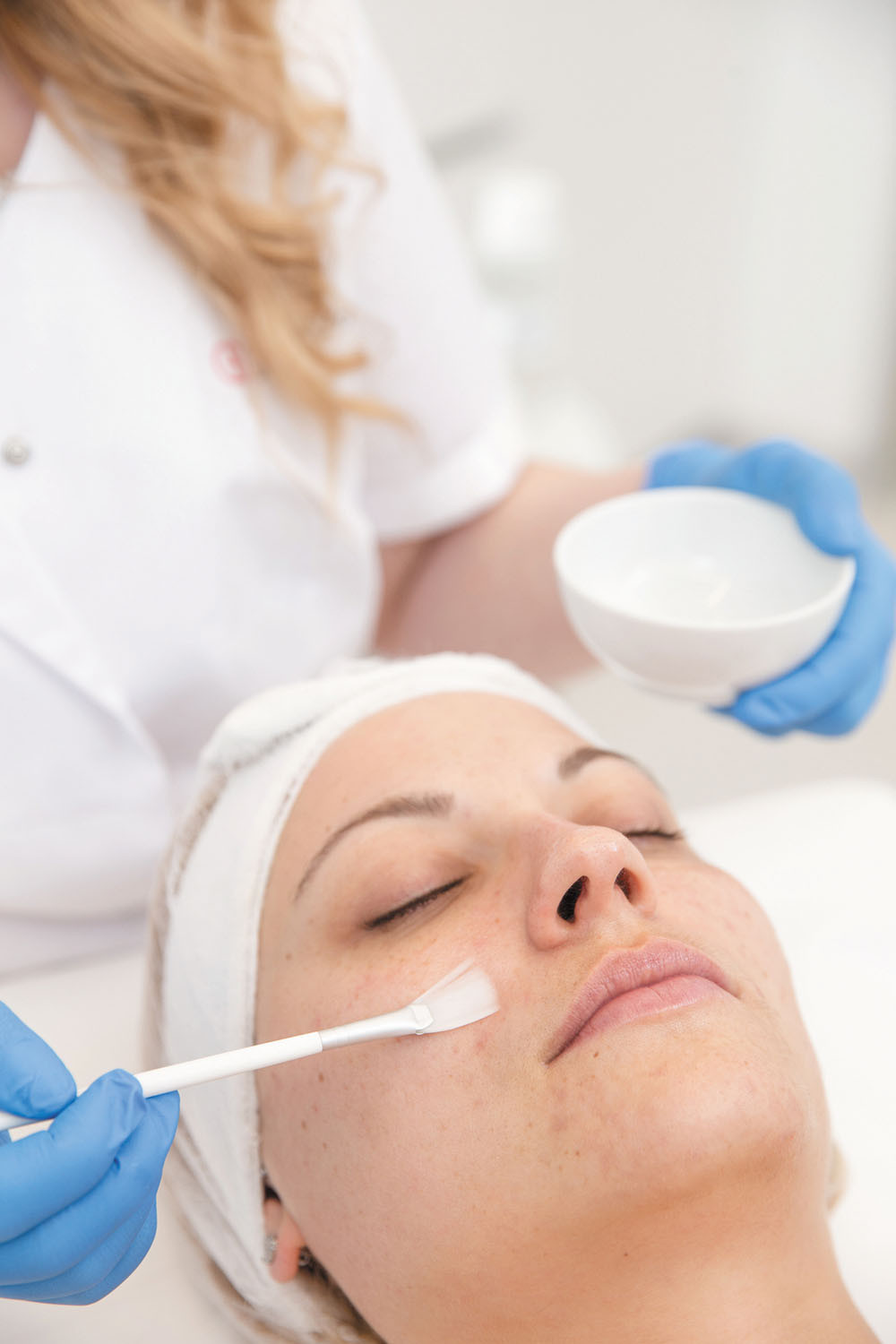
Chemical peels can help improve your skin, if you choose the right product and follow safety instructions.
As you age, your skin changes, and not always in a good way. Some of the most common problems are caused by sun damage, including dark spots, rough texture, fine lines, and wrinkles. Chemical peels, which use a chemical solution to remove the top layers of the skin, are billed as one way to target these changes and improve the skin. Peels can be done at home, in a medical spa, or at a dermatologist's office. But the question is, are they really effective or good for your skin?
Dr. Hye Jin "Leah" Chung, assistant professor in the Department of Dermatology at Harvard Medical School, says yes, chemical peels can help your skin. But that endorsement comes with a caveat, she says. "They are beneficial as long as you use the right agent and the right technique," says Dr. Chung. Used incorrectly, chemical peels can be harmful and even cause burns or pigment changes.

Should I get a COVID-19 vaccine if I've had dermal fillers?
In rare cases, people who have had cosmetic dermal fillers experience swelling after receiving the COVID-19 vaccine, but this shouldn't stop people with fillers from being vaccinated.

Polycystic ovarian syndrome and the skin
Polycystic ovary syndrome is the most common cause of infertility in women. In many cases, women with PCOS have skin and hair issues such as acne, hair loss, or excessive hair growth in places where they normally do not have hair. Treatment options vary depending on the symptoms and each woman's preferences.

Safety of LED nail lamps
Ask the doctors
Q. I was worried about drying my nails with a lamp or light box at the nail salon because of the potential risk of cancer from the ultraviolet radiation, but my salon recently switched to LED lamps. Are they safer?
A. The light boxes used to cure polish during gel manicures, and to dry traditional nail polish, have raised some concern because — like tanning beds — they emit ultraviolet A (UVA) radiation, which is associated with a higher cancer risk. A 2014 study in JAMA Dermatology found that the level of UVA exposure associated with a gel manicure every two weeks probably isn't high enough to increase the risk of skin cancer significantly, but you are wise to be aware of the issue.
Carb cycling: What is it, and does it work?
Understanding orthorexia: Have your healthy eating goals gone too far?
Melatonin or magnesium: Can either supplement help you sleep?
Salmonella, E. coli, Cyclospora, and other germs that cause food poisoning: What you need to know
Shingrix shingles vaccine linked with lower heart disease risks
Harvard study: Healthier fats linked to longer life after prostate cancer diagnosis
Naturally gluten-free foods
Stair climbing may significantly lower cardiovascular risks
Estrogen-only hormone therapy tied to lower dementia risk
Should you have a hysterectomy?
Free Healthbeat Signup
Get the latest in health news delivered to your inbox!
Sign Up
