

Carb cycling: What is it, and does it work?

Understanding orthorexia: Have your healthy eating goals gone too far?

Melatonin or magnesium: Can either supplement help you sleep?

Salmonella, E. coli, Cyclospora, and other germs that cause food poisoning: What you need to know

Shingrix shingles vaccine linked with lower heart disease risks

Harvard study: Healthier fats linked to longer life after prostate cancer diagnosis

Naturally gluten-free foods

Stair climbing may significantly lower cardiovascular risks

Estrogen-only hormone therapy tied to lower dementia risk

Should you have a hysterectomy?
Skin and hair health Archive
Articles

Recognizing and preventing sun allergies
There are several types of "sun allergies," including polymorphous light eruption (PMLE), hives, and photoallergic reactions. Learn about these different reactions to sun exposure, as well as prevention and treatment.

You don't say? Does that tickle?
Ticklishness falls into two categories: gargalesis (which produces laughter and squirming) and knismesis (the sensation of a feather brushing over the skin, also known as light-touch tickling). It is not clear why some people are ticklish, but it may be a bonding or protective reaction.

Adult female acne: Why it happens and the emotional toll
Women are more likely to get acne after age 20 than men. Unfortunately, treatment options that worked in the teenage years may not work as well in adult females. The emotional toll of acne may include a higher risk of developing depression, and having severe acne can negatively affect quality of life.

Why do I itch more at night?
Nighttime skin itching can stem from dry skin, hormone changes, certain medications and skin care products, and rarely, a more serious illness. It can help to change bedding or pajamas, take short baths or showers, apply moisturizer liberally, and use a humidifier.

Why do I burn even if I'm slathered in sunscreen?
People can get sunburned even with sunscreen on, particularly if they use old sunscreen or certain drugs and skin care products that leave skin vulnerable. People should stay out of the sun at midday, wear a hat and sunglasses, and frequently apply sunscreen with SPF 30 or higher.

How can I heal my dry hands?
Frequent handwashing may lead to dry, cracked skin. Strategies such as lowering the water temperature and moisturizing with a heavy hand cream after washing can allow the skin to heal. Also try wearing cotton gloves over a thick moisturizer at night.
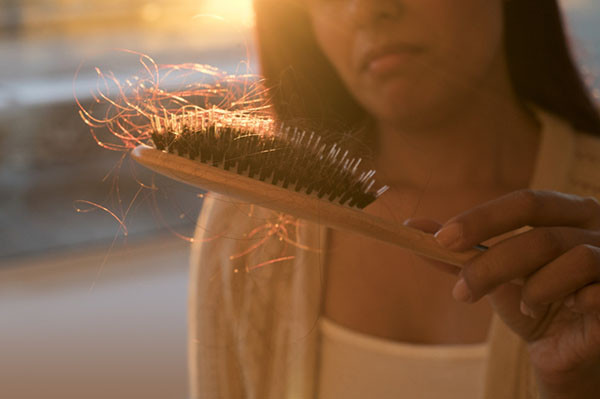
What is alopecia areata and how is it managed?
Hair loss is a common problem for many men and women, but what does it mean to have alopecia? Alopecia areata occurs when the body's immune system attacks hair follicles, resulting in hair loss. AA can affect the scalp, eyebrows, eyelashes, or anywhere hair grows on the body.

New Harvard tool helps fact-check cancer claims
Scary or misleading claims about things that may cause cancer are so plentiful that it's hard to know which ones to take seriously. A new website developed by experts aims to provide reliable information about whether a particular cancer claim is true.

When is a drug rash more than just a rash?
Rashes are a common side effect of many medications, and while they can be annoying, they typically run their course over a week or two. But not all drug rashes are mild — and some can even be deadly. How can you tell a serious rash from one that is just a nuisance?

Carb cycling: What is it, and does it work?
Understanding orthorexia: Have your healthy eating goals gone too far?
Melatonin or magnesium: Can either supplement help you sleep?
Salmonella, E. coli, Cyclospora, and other germs that cause food poisoning: What you need to know
Shingrix shingles vaccine linked with lower heart disease risks
Harvard study: Healthier fats linked to longer life after prostate cancer diagnosis
Naturally gluten-free foods
Stair climbing may significantly lower cardiovascular risks
Estrogen-only hormone therapy tied to lower dementia risk
Should you have a hysterectomy?
Free Healthbeat Signup
Get the latest in health news delivered to your inbox!
Sign Up
