

Carb cycling: What is it, and does it work?

Understanding orthorexia: Have your healthy eating goals gone too far?

Melatonin or magnesium: Can either supplement help you sleep?

Salmonella, E. coli, Cyclospora, and other germs that cause food poisoning: What you need to know

Shingrix shingles vaccine linked with lower heart disease risks

Harvard study: Healthier fats linked to longer life after prostate cancer diagnosis

Naturally gluten-free foods

Stair climbing may significantly lower cardiovascular risks

Estrogen-only hormone therapy tied to lower dementia risk

Should you have a hysterectomy?
Skin and hair health Archive
Articles

Do nail changes signify a health problem?
On call
Q. I am 65 and have noticed a decline in the quality of my fingernails. Should I worry about some underlying medical condition?
A. For the most part, changes in fingernail shape and appearance are simple signs of normal aging and are nothing to worry about. Fingernails naturally grow slower as we age, and their appearance may change, too. Nails can become yellowed, dull, and brittle. They may develop tiny longitudinal ridges and become thinner and more fragile. You can't do anything about these kinds of fingernail changes, but you can reduce the risk of splitting and breaking that often accompanies them. For example:

What kind of sun protection is best for babies, pregnant women, and breastfeeding women?
Ask the doctors
Q. Should pregnant or breastfeeding women and their children use sunscreen?
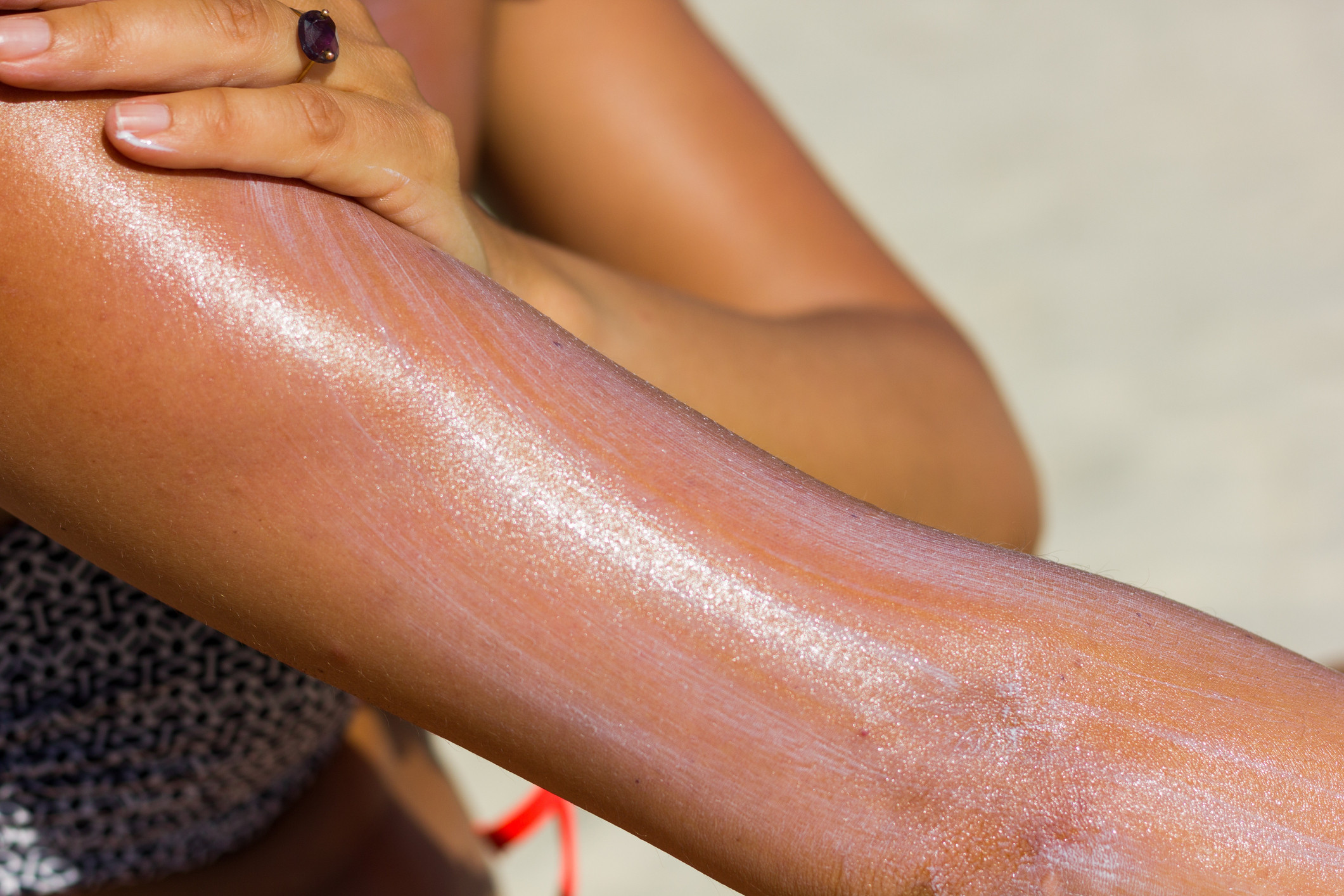
A. The American Academy of Dermatology recommends that people avoid applying sunscreen to the skin of babies younger than 6 months of age, and instead shield them from the sun, keeping them in the shade as much as possible. It's also a good idea to protect them from the sun using clothing, hats, and sunglasses.

Sunscreen in a pill?
Research we're watching
The FDA is warning consumers not to buy in to the idea that a pill can protect your skin from the sun.
In a statement issued May 22, FDA officials said they've found companies selling pills that are labeled as dietary supplements and that claim to protect skin from the sun.

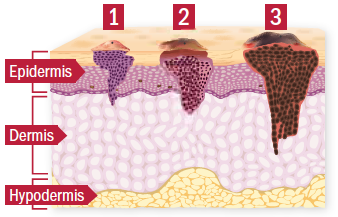
Save your skin from cancer
Rates of the two most common skin cancers have more than doubled over the past decade. Here's how to protect yourself.
When it comes to skin cancer, there's good news and bad news. First, the bad news. A report published in the June 2017 Mayo Clinic Proceedings found that cases of basal cell carcinoma (BCC) and squamous cell carcinoma (SCC) skin cancers have risen 263% and 145%, respectively, over the past decade.
The good news? BCC and SCC are rarely life-threatening and they're usually easy to treat if they're caught early. Plus, there are simple ways to prevent them.

Getting rid of the itch of eczema
Ask the doctors
Image: © jacoblund/Getty Images
Q. I was recently diagnosed with eczema. Is this condition treatable without the use of steroids? I'd like to avoid using them if I can.
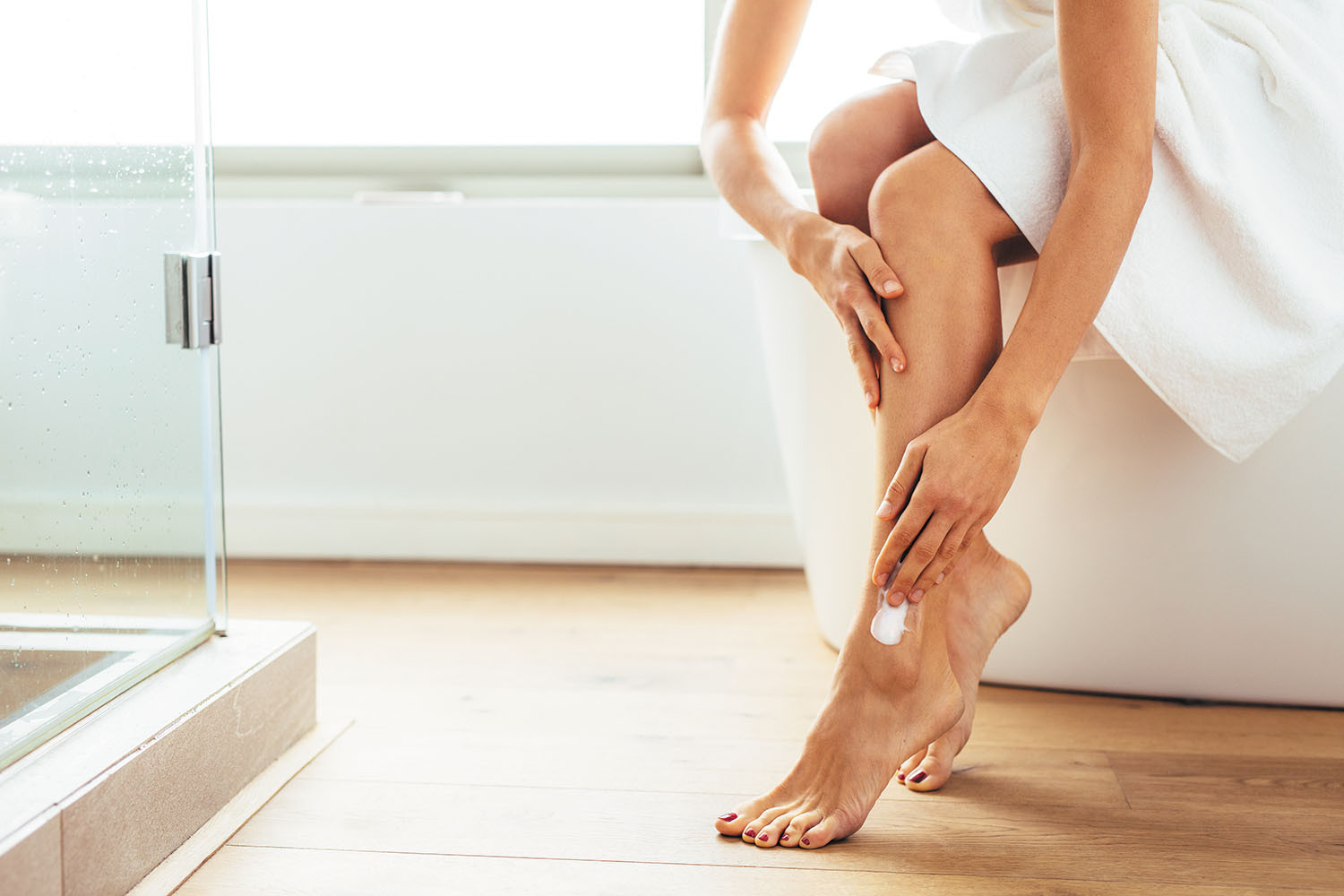
A. Eczema, also known as atopic dermatitis, is a chronic inflammatory skin condition. Some people with eczema have mild dryness or itchiness, while others experience more severe symptoms, such a scaly rash or skin that cracks and oozes. Eczema is more common in childhood, affecting up to 20% of children, but it also affects adults. The good news is it's not contagious, and in some cases, it's possible to manage the condition without using steroids.

Skin potions that really work
Dermatologists tell us what ingredients to look for in a skin serum to treat a variety of skin conditions.
Image: © zaretskaya/Getty Images
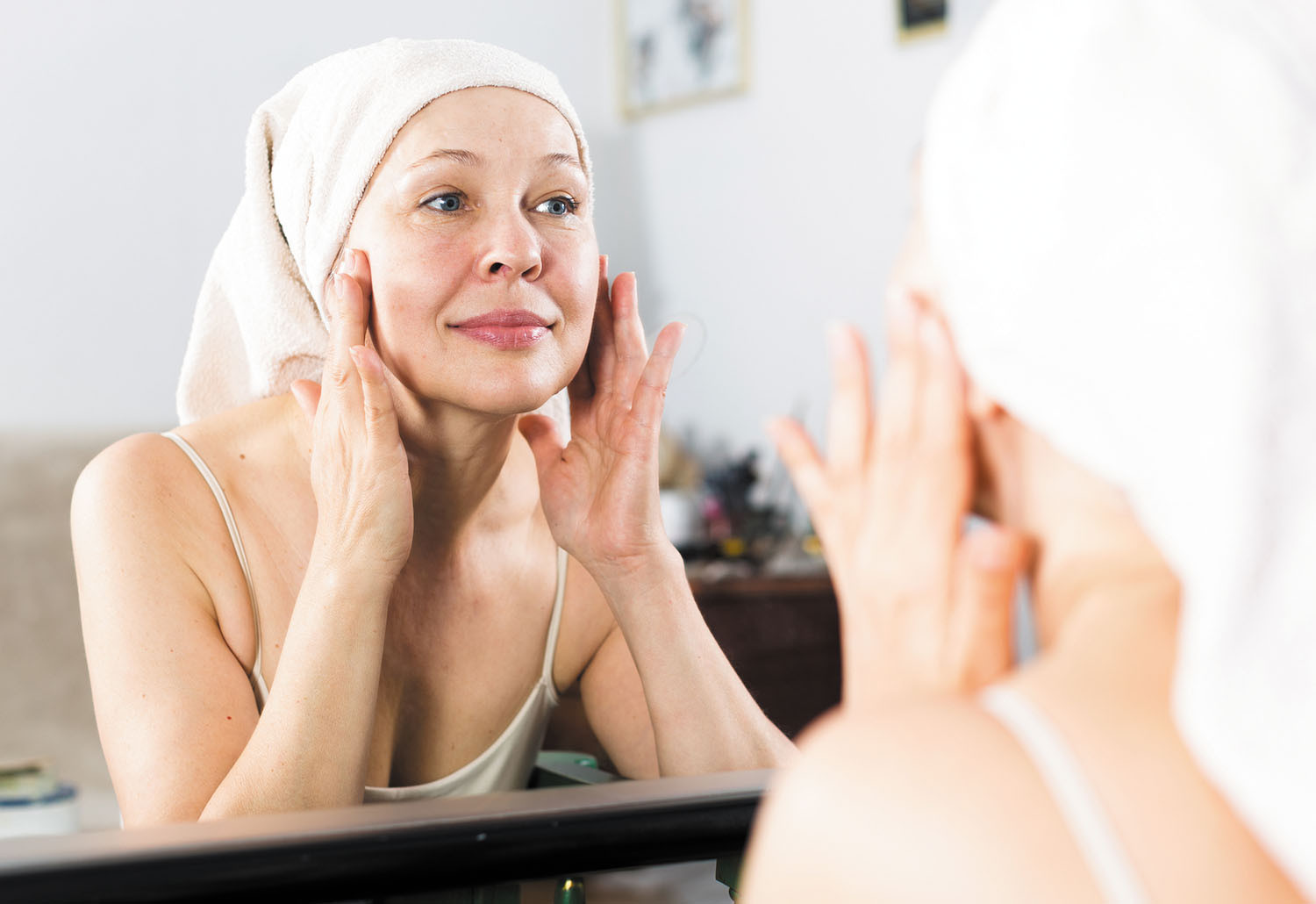
As you get older, you might start to look a little more intently at the rows of lotions and potions at the drugstore and the beauty counter. You may wonder which ones can really help your skin look more like it used to — minus the wrinkles, dark spots, and other signs of aging.
One word that's showing up on labels a lot these days is "serum" — typically on products that promise to brighten and smooth your skin and help roll back the clock. These little glass bottles contain a host of impressive-sounding ingredients such as hyaluronic acid, niacinamide, and L-ascorbic acid. But do they really work?
Finding the right serum for your skin
The right combination of components is essential to get the results you hope to see.
Image: © JackF/Getty Images
Serums can be used to treat a wide range of conditions, including brown spots, wrinkles, and dry or acne-prone skin. Below are the ingredients that Harvard dermatologists Dr. Abigail Waldman and Dr. Maryam M. Asgari recommend for various skin conditions.
Problem: Dry or sagging skin
If your skin is dry, tight, and flaky, look for serums that contain vitamin E, niacinamide, and glycolic acid. Also look for ceramides, which are fatty molecules that help hold the skin together and keep moisture from escaping. Other good options are serums that contain hyaluronic acid, or those with collagen peptides, epidermal growth factors, or stem cells.
Carb cycling: What is it, and does it work?
Understanding orthorexia: Have your healthy eating goals gone too far?
Melatonin or magnesium: Can either supplement help you sleep?
Salmonella, E. coli, Cyclospora, and other germs that cause food poisoning: What you need to know
Shingrix shingles vaccine linked with lower heart disease risks
Harvard study: Healthier fats linked to longer life after prostate cancer diagnosis
Naturally gluten-free foods
Stair climbing may significantly lower cardiovascular risks
Estrogen-only hormone therapy tied to lower dementia risk
Should you have a hysterectomy?
Free Healthbeat Signup
Get the latest in health news delivered to your inbox!
Sign Up
