

Signs of pneumonia: Sometimes vague and unexpected

The surprising link between ovarian cancer and the fallopian tubes

Using a vibration plate: What it can — and can't — do for your body

People who walk more or walk faster live longer, study finds

Rosacea treatments: What works?

For sleep apnea, a dental device may be as effective as CPAP

Carb cycling: What is it, and does it work?

Understanding orthorexia: Have your healthy eating goals gone too far?

Melatonin or magnesium: Can either supplement help you sleep?

Salmonella, E. coli, Cyclospora, and other germs that cause food poisoning: What you need to know
Skin and hair health Archive
Articles
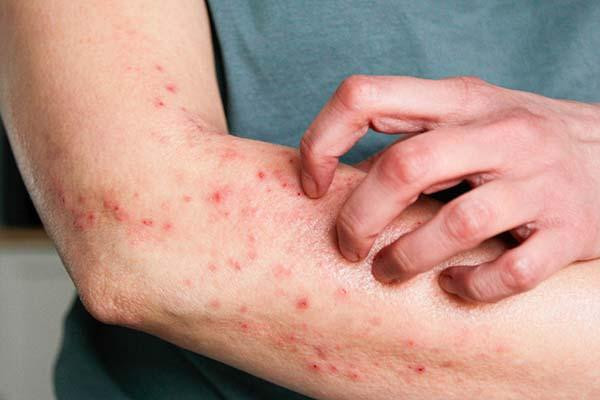
Is your skin problem actually an autoimmune condition?
Autoimmune disorders that may involve skin symptoms include psoriasis, lupus, scleroderma, dermatomyositis, vitiligo, bullous pemphigoid, alopecia areata, lichen planus, autoimmune thyroid disease, celiac disease, rheumatoid arthritis, and sarcoidosis.
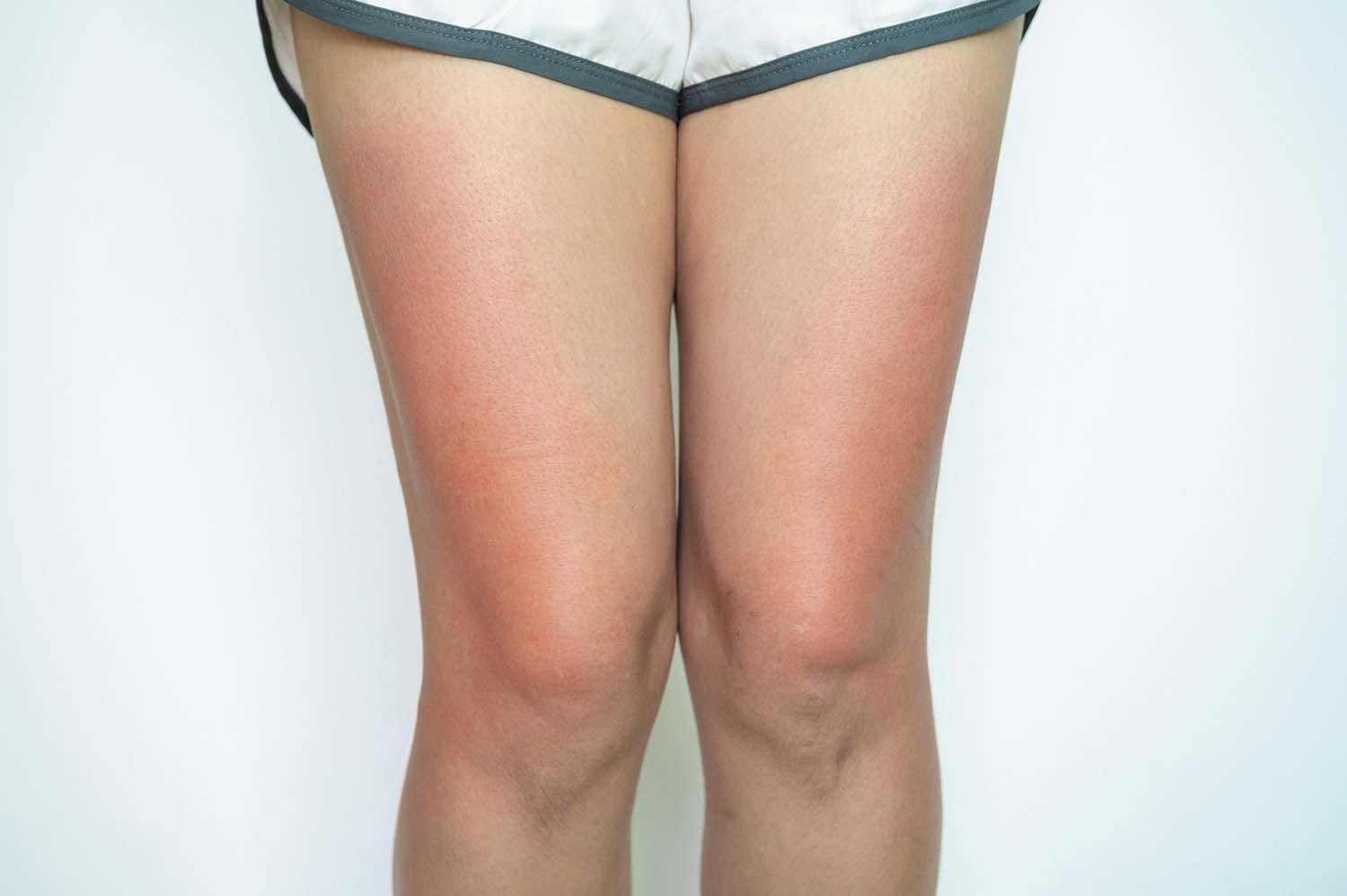
What is toasted skin syndrome?
Toasted skin syndrome is a rash that develops in a fishnet-like pattern from direct, chronic, low-level exposure to heat sources such as laptops, electric blankets, heating pads, and heated car seats. The heat dilates superficial blood vessels under the skin, causing the rash.

Try this: Winter skin care
People can take several measures to protect against winter dry skin, such as using an indoor humidifier, washing carefully, following a moisturizing routine, and covering exposed skin when outdoors.
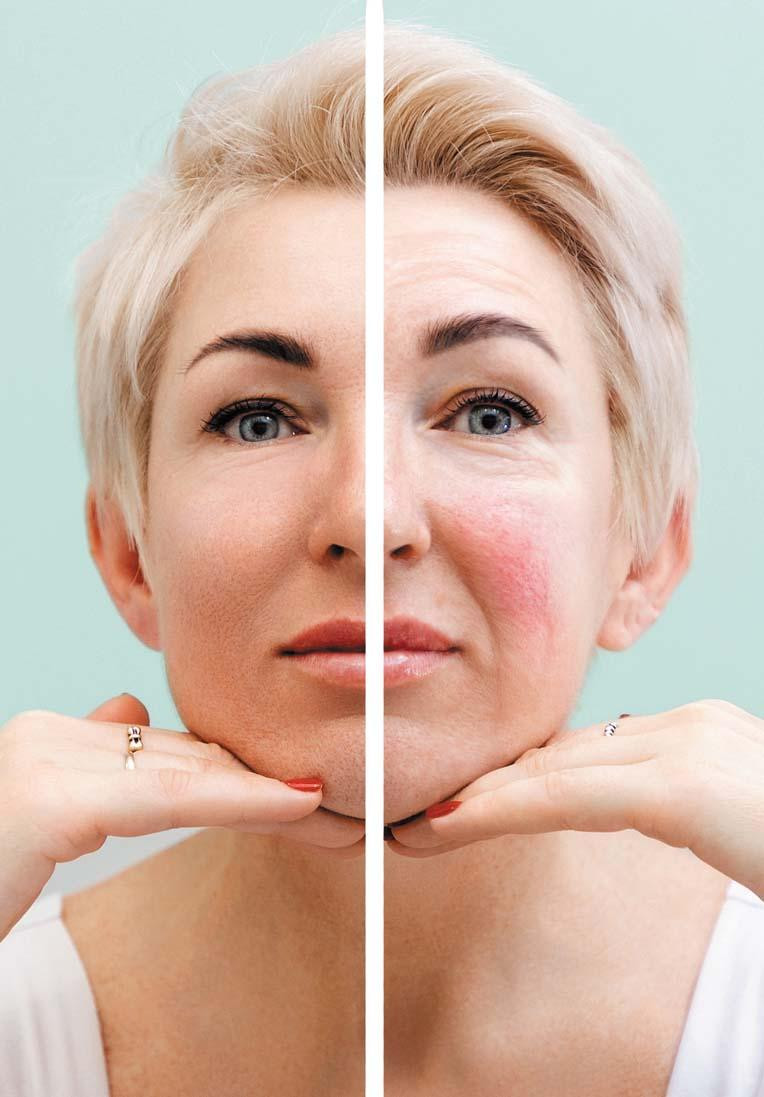
Is this common skin problem overlooked?
A 2025 Finnish study found that rosacea often goes undiagnosed in people ages 70 or older. Researchers say this might be due to busy physicians with limited awareness of rosacea or patients' own embarrassment or unwillingness to seek treatment.
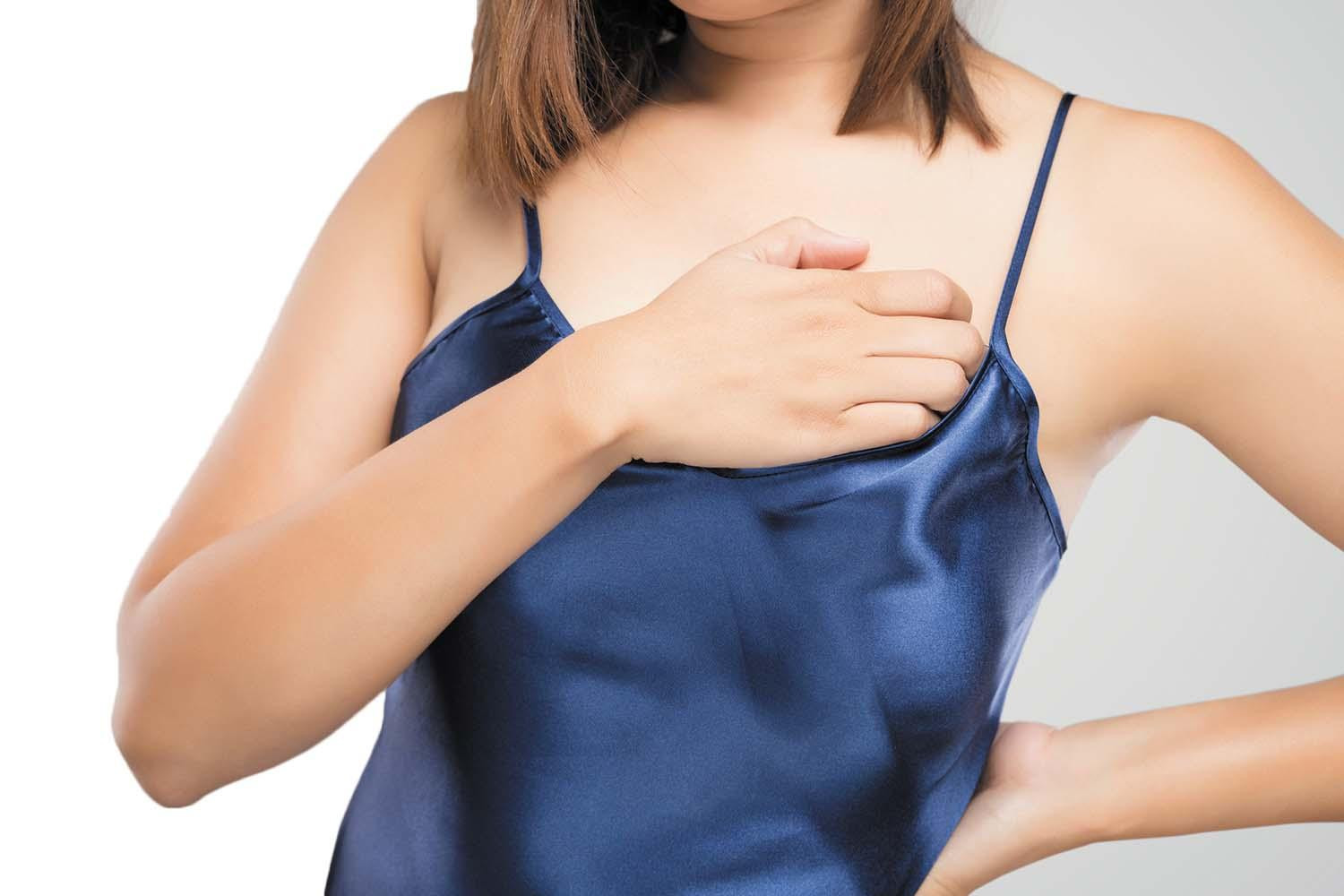
The head-scratching dilemma of itchy nipples and breasts
Itchiness of the breasts or nipples isn't common, but can signal conditions both harmless and serious. Minor reasons for itchiness across the bra area include eczema, psoriasis, exposure to soaps or detergents, trapped moisture, and pregnancy and breastfeeding. More serious causes include infections, breast surgery, radiation treatment, and certain rare forms of breast cancer. Any skin changes on the breast that don't improve over weeks should be evaluated by a doctor.
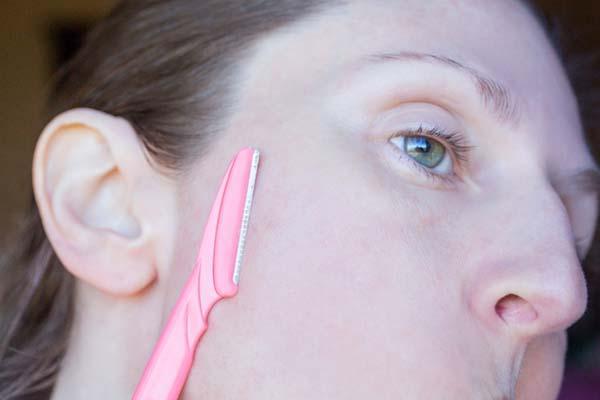
Is it safe to dermaplane my face?
Dermaplaning is a technique that removes hair and dead skin cells from the face. Dermaplaning uses a type of razor or scalpel. When performed properly, the technique is safe, though it can nick facial skin.

Red light therapy for skin care
Red light therapy involves using devices that emit red or near-infrared light aimed at the skin. It is believed to reduce inflammation and boost production of collagen. Research suggests it can improve an array of skin problems, including fine lines, dark spots, redness, slow-healing wounds, scars, and acne. Unlike ultraviolet light, red light therapy isn't associated with greater risks for skin cancer. Scientists are still determining the optimal doses of red light therapy for various skin conditions.

Lessons from women on longevity
Women live longer than men. However, that longevity gap in the United States has increased to 5.8 years, the largest gap since 1996, according to a 2024 study. Why the widening gap? Researchers believe that in many cases, women are better than men at addressing certain health needs that contribute to longer lives, such as losing excess weight, quitting smoking, getting regular skin check-ups, and not ignoring mental health issues.

Fresh-faced through the years
With age, people develop brown spots, wrinkles, and sagging skin. Women are more likely than men to invest money and time to look younger. Sun protection and a variety of skin care products can help, including those containing alpha-hydroxy acids, retinols, vitamin C, and hyaluronic acid. Minimally invasive cosmetic procedures can also ease signs of aging. These include injections of botulinum toxin (Botox) or hyaluronic acid, laser treatments, and chemical peels. Skin care and treatments should be customized to each person.
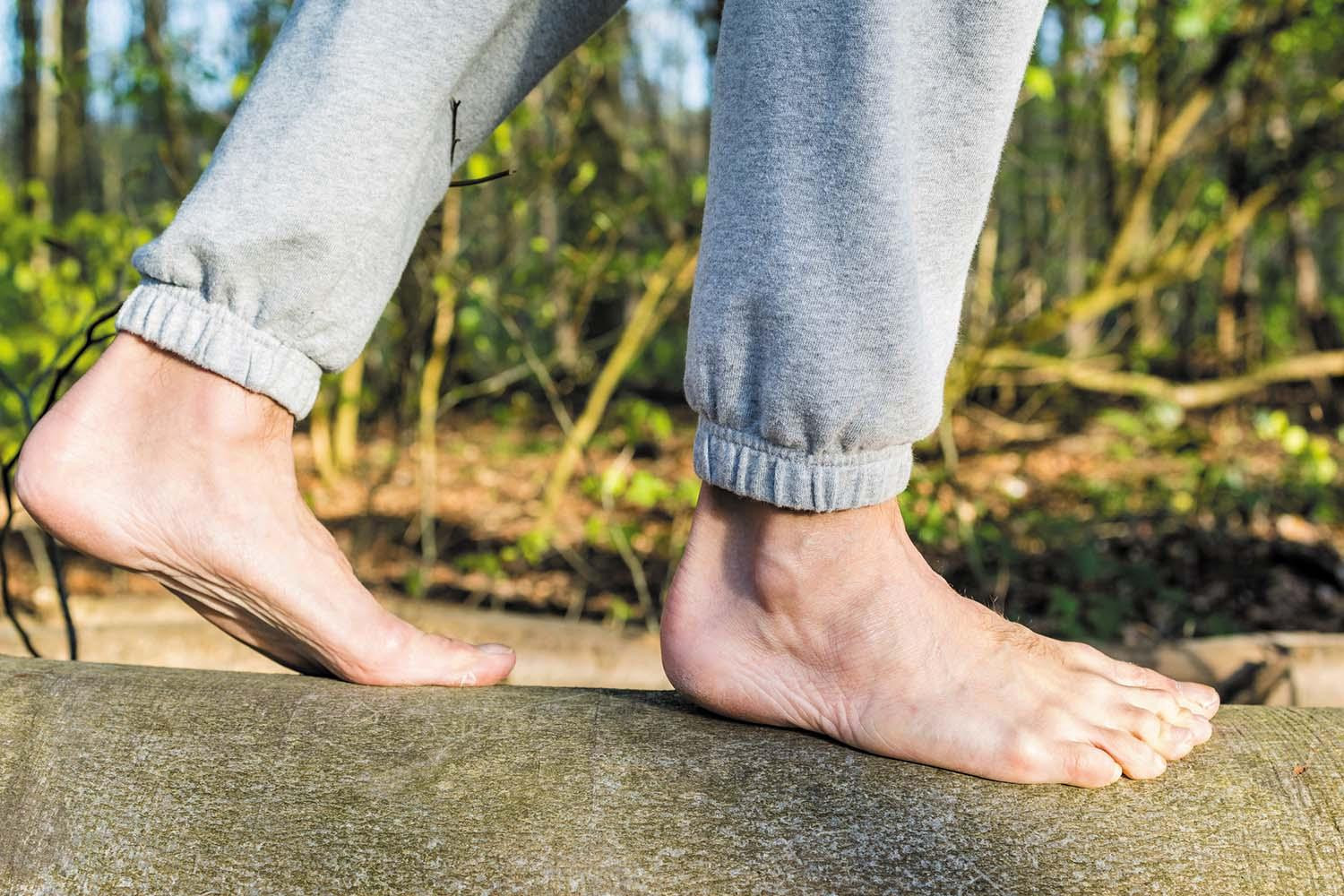
A look at nail problems
Toenail fungus, ingrown toenails, and brittle or cracked fingernails are common nail problems that affect older adults. They can make hands and feet unsightly and sometimes even painful. Treating these problems and preventing them from returning often takes a trial-and-error approach, diligence, and patience. Strategies include a combination of home remedies, over-the-counter medication, and good hygiene and grooming habits.
Signs of pneumonia: Sometimes vague and unexpected
The surprising link between ovarian cancer and the fallopian tubes
Using a vibration plate: What it can — and can't — do for your body
People who walk more or walk faster live longer, study finds
Rosacea treatments: What works?
For sleep apnea, a dental device may be as effective as CPAP
Carb cycling: What is it, and does it work?
Understanding orthorexia: Have your healthy eating goals gone too far?
Melatonin or magnesium: Can either supplement help you sleep?
Salmonella, E. coli, Cyclospora, and other germs that cause food poisoning: What you need to know
Free Healthbeat Signup
Get the latest in health news delivered to your inbox!
Sign Up
