

Signs of pneumonia: Sometimes vague and unexpected

The surprising link between ovarian cancer and the fallopian tubes

Using a vibration plate: What it can — and can't — do for your body

People who walk more or walk faster live longer, study finds

Rosacea treatments: What works?

For sleep apnea, a dental device may be as effective as CPAP

Carb cycling: What is it, and does it work?

Understanding orthorexia: Have your healthy eating goals gone too far?

Melatonin or magnesium: Can either supplement help you sleep?

Salmonella, E. coli, Cyclospora, and other germs that cause food poisoning: What you need to know
Skin and hair health Archive
Articles
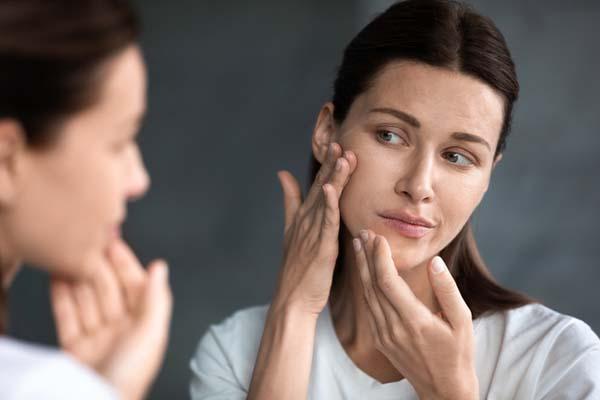
Could steroid creams or hormone problems be causing my excess hair growth?
Discover how steroid creams, hormones, thyroid issues, and other conditions might drive new hair growth and when to seek a doctor’s advice.
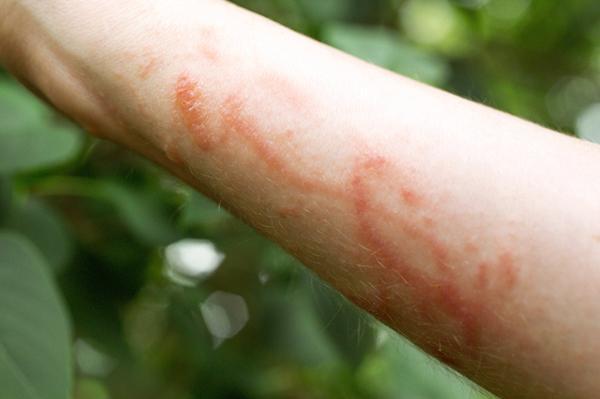
Poison ivy rash: Symptoms, treatment, and prevention
Poison ivy rash is a red, blistering, itchy skin reaction caused by contact with the oily resin of the poison ivy plant. Quickly washing any exposed skin and contaminated clothing, tools, pets, or gear may help reduce the risk of a reaction. For a mild rash, home remedies and over-the-counter medications can help soothe symptoms; stronger prescription drugs can help heal more severe cases.

Ringworm: What to know and do
Ringworm is a common, contagious skin infection caused by a fungus. Children can get it from other people who have it or from an infected animal. While it can be itchy and unpleasant, ringworm is usually harmless.

Poison ivy: Scratchin' like a hound?
Misconceptions about poison ivy are common - from when you can get it to how you might get it, and the best ways to treat it. Knowing the facts can help you avoid it, or treat it properly if you are exposed to it.
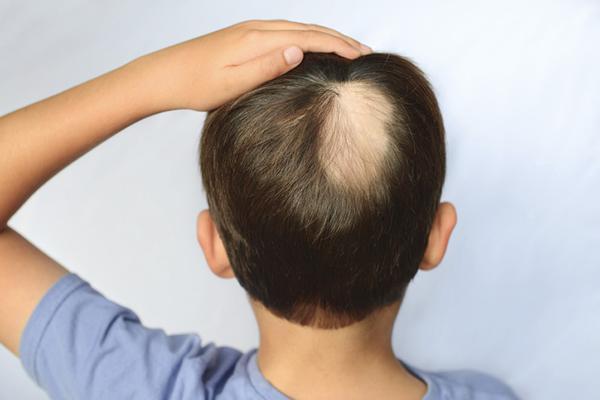
What could cause hair loss in a preteen boy?
Bald spots or thinning hair in pre‑teen boys can happen for a number of reasons. These include scalp infections, tight hairstyles, immune conditions, or stress.
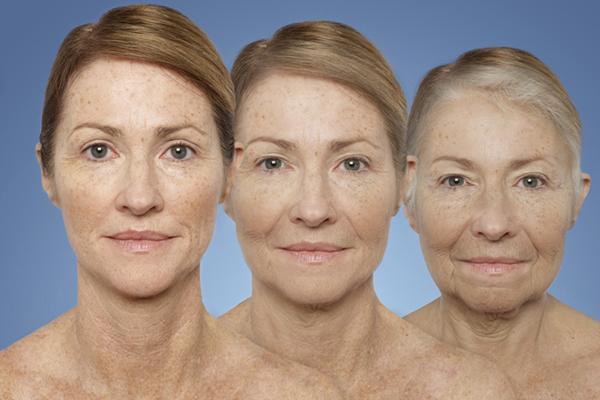
What factors speed up aging?
A variety of disparate factors can speed up people’s biological aging, which describes how well their body functions (in comparison to chronological aging). Drivers of aging include ultraviolet light, stress, smoking, obesity, radiation, and loneliness and social isolation.
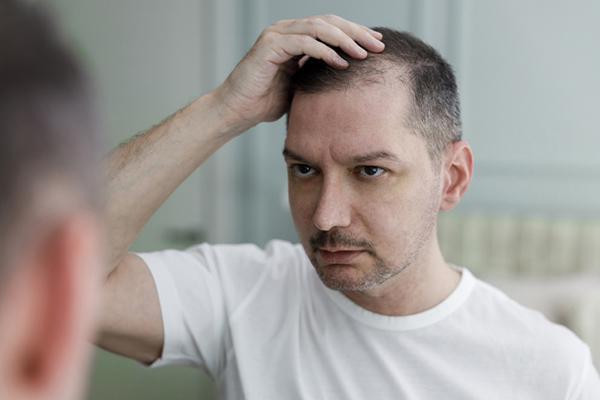
Can insufficient protein intake cause hair loss?
Severe protein malnutrition can trigger hair shedding, but most thinning of hair stems from genes, hormones, illness, or medications rather than daily protein intake.
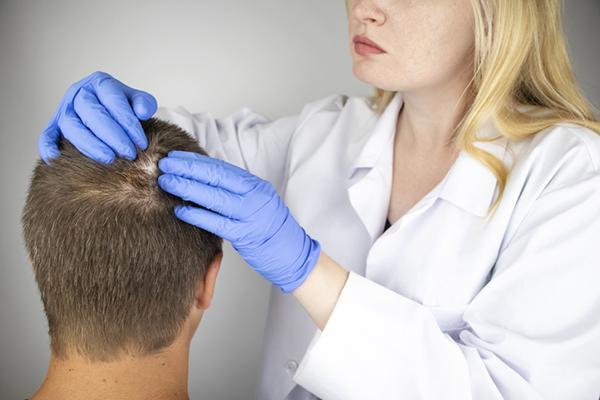
What can cause hair loss in small patches?
Small bald spots can result from stress, but not always. Patchy loss can reflect hereditary patterns, alopecia areata, fungal infection, or scalp disease.
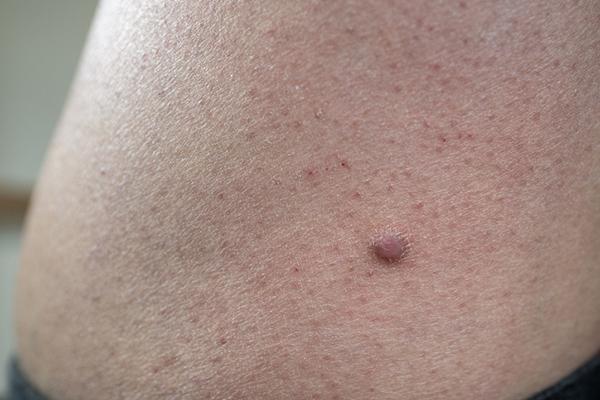
What is a dermatofibroma and how can I prevent a recurrence?
These small, firm skin bumps are usually benign and often appear on the legs. Learn why they form, how they’re removed, and sun‑safety basics to help prevent another one.

How long can athlete's foot fungus linger in shoes?
Warm, damp shoes can harbor fungus well after a skin infection clears. Fresh socks, antifungal powder, rotation, and retiring old shoes are all important.
Signs of pneumonia: Sometimes vague and unexpected
The surprising link between ovarian cancer and the fallopian tubes
Using a vibration plate: What it can — and can't — do for your body
People who walk more or walk faster live longer, study finds
Rosacea treatments: What works?
For sleep apnea, a dental device may be as effective as CPAP
Carb cycling: What is it, and does it work?
Understanding orthorexia: Have your healthy eating goals gone too far?
Melatonin or magnesium: Can either supplement help you sleep?
Salmonella, E. coli, Cyclospora, and other germs that cause food poisoning: What you need to know
Free Healthbeat Signup
Get the latest in health news delivered to your inbox!
Sign Up
