

Whole grains may improve several heart risk factors at once

Light exposure at night may raise risk for heart disease

Children of centenarians may stay healthier and live longer too, study finds

A lumbar belt may help ease low back pain

Signs of pneumonia: Sometimes vague and unexpected

The surprising link between ovarian cancer and the fallopian tubes

Using a vibration plate: What it can — and can't — do for your body

People who walk more or walk faster live longer, study finds

Rosacea treatments: What works?

For sleep apnea, a dental device may be as effective as CPAP
Physical activity and exercise Archive
Articles

Should I take a multivitamin or other nutrition supplement?
Taking a daily multivitamin helps fill in nutritional gaps and some studies have found a link to better cognitive fitness. Adding a vitamin D supplement may help maintain bone health and a B12 supplement is suitable for people who might have difficulty getting this vitamin from food.

Stand up for your heart
A 2025 study found that people who are sedentary for 10.6 hours per day or more may face a higher risk of heart failure or dying from heart disease-even if they follow recommended exercise guidelines. Uninterrupted sitting has harmful effects on metabolism, leading the body to burn fewer calories and less fat. It can also cause blood sugar levels to rise, triggering the release of insulin, the hormone that regulates blood sugar. Over time, sedentary habits cause the body to become less sensitive to insulin. The resulting insulin resistance promotes inflammation, a key player in the buildup of fatty plaque inside arteries.

Depression tied to risky driving in older adults
A 2024 study indicated that adults 65 and older with major depression are more likely to exhibit risky driving behaviors such as speeding, hard braking, and hard cornering.

Unlocking the secrets of super-agers
Super-agers are people who reach their 80s, 90s, or beyond with the memory capacity of someone at least three decades younger. As people get older, certain brain regions shrink, slowing brain functions. But super-agers retain more brain volume in areas linked to memory and movement, and their brains shrink more slowly over time. Women are more likely to be super-agers because they live, on average, longer than men. Genetics also appear to play a significant role in achieving super-ager status.
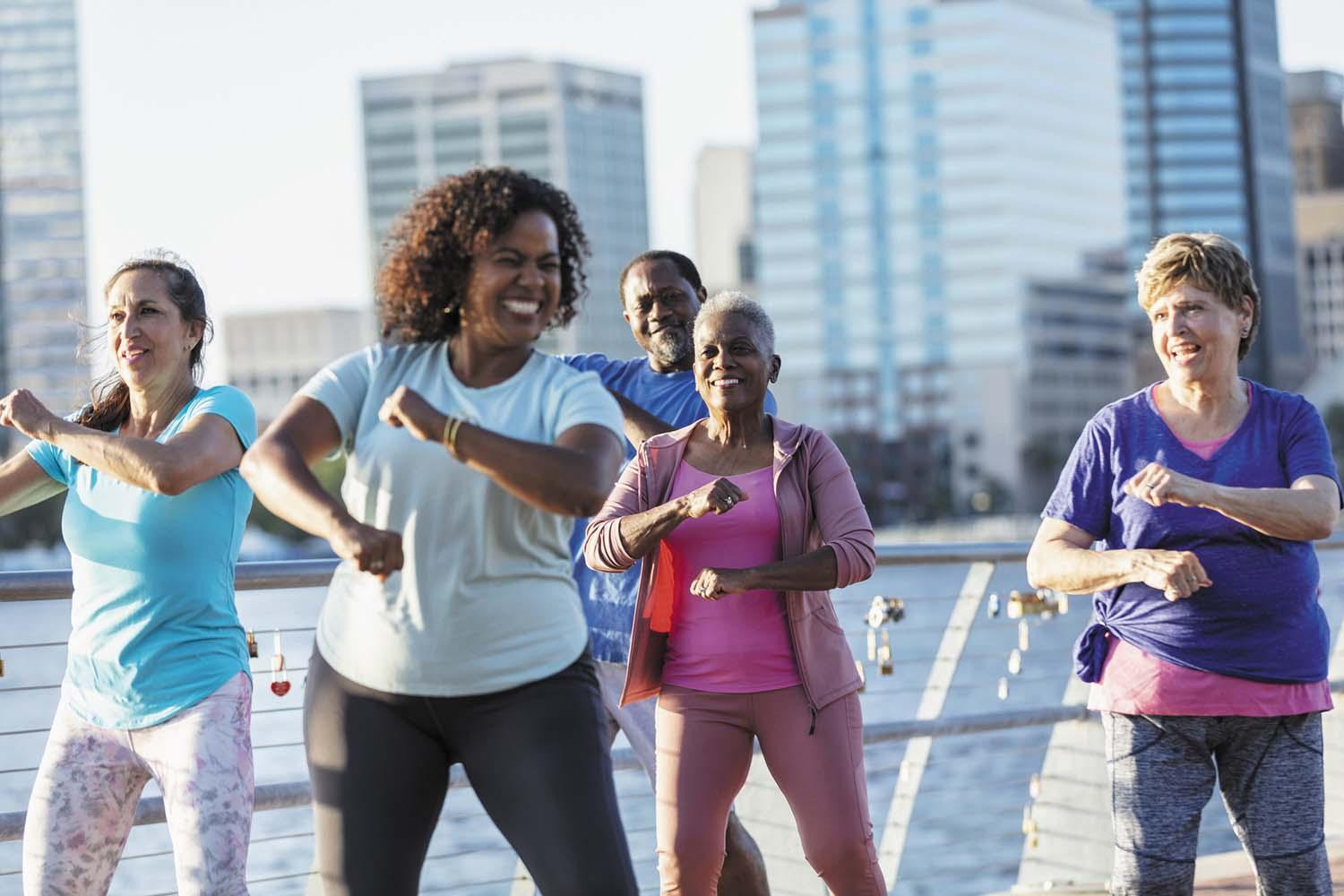
Twist, turn, tone
Dancing is a popular leisure activity. Evidence suggests dance boasts all the same benefits as other forms of consistent aerobic exercise: lowering blood pressure, building muscle and bone, increasing aerobic capacity, reducing anxiety, and improving depression symptoms. Dance can also counter loneliness and isolation and be easier to stick with than exercise that's more repetitive. People who want to try dance can frame it as a hobby instead of exercise, take a group class, and modify dance movements to accommodate pain or limited mobility.

Want to live longer? Replace butter with plant-based oil
In a 2025 study of more than 221,000 people followed for more than 30 years, scientists calculated that swapping about a tablespoon of butter per day for about two teaspoons of olive, soybean, or canola oil was tied to a 17% reduction in premature death.

A popular alternative to a traditional sleeping pill
In the last few years, the prescribing rate for zolpidem, a popular sleeping pill, has been declining in favor of the "off-label" use of an antidepressant called trazodone, which is known for its ability to make people drowsy. But doctors are concerned that trazodone hasn't been well studied for insomnia, it is not FDA-approved to treat the condition, and there are sparse data showing that it is safe or that it works for patients with insomnia. Experts advise choosing medications based on a patient's specific needs, not a trend.

Prepare now for your health needs in the future
If possible, everyone should prepare for the possibility of needing support services or long-term care in older age, even if it's not yet needed. Ways to prepare include designating a health care proxy and power of attorney; writing advance directives for health care preferences; investigating potential housing options (such as assisted living facilities) and support services (such as a health aide) well in advance; downsizing belongings, including one's home; and meeting with a financial planner to figure out how to tackle caregiving expenses.
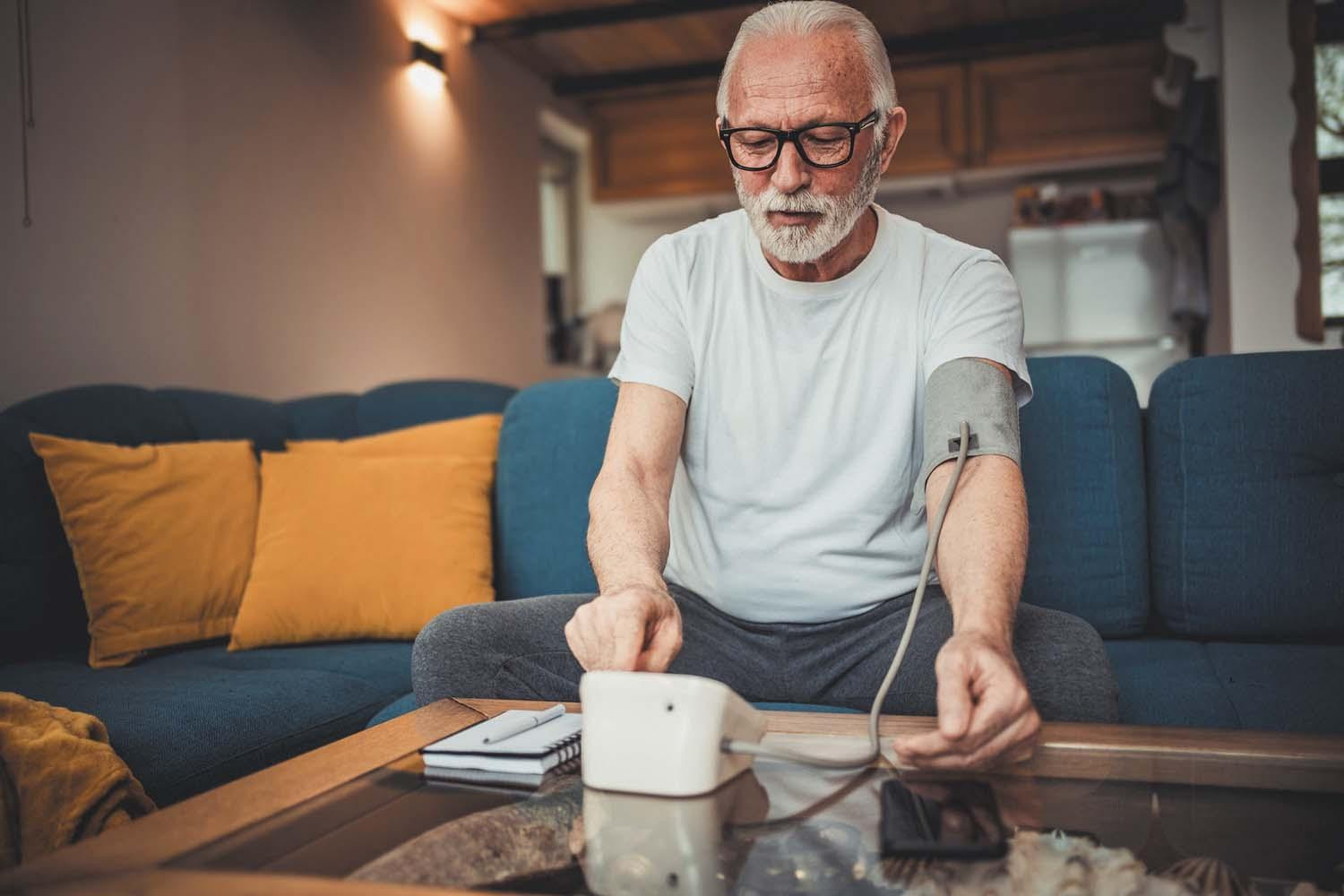
Take back your blood pressure control!
When blood pressure remains high despite treatment, making certain lifestyle changes can help. Examples include reducing dietary sodium and increasing dietary potassium, losing weight, limiting alcohol intake to no more than one drink per day, exercising (doing aerobics and strength training), using tools that improve medication adherence (such as an automatic pill dispenser, a medication diary, a smartphone alarm, or a reminder app), quitting smoking, getting more sleep, managing stress, and reducing caffeine intake.

Water aerobics tied to weight loss and a smaller waist
A 2025 review of 10 randomized controlled trials (involving about 300 people) found that those who took part in two or three one-hour water aerobics classes weekly for at least 10 weeks lost up to 6 pounds and trimmed their waists by about an inch.
Whole grains may improve several heart risk factors at once
Light exposure at night may raise risk for heart disease
Children of centenarians may stay healthier and live longer too, study finds
A lumbar belt may help ease low back pain
Signs of pneumonia: Sometimes vague and unexpected
The surprising link between ovarian cancer and the fallopian tubes
Using a vibration plate: What it can — and can't — do for your body
People who walk more or walk faster live longer, study finds
Rosacea treatments: What works?
For sleep apnea, a dental device may be as effective as CPAP
Free Healthbeat Signup
Get the latest in health news delivered to your inbox!
Sign Up
