

Whole grains may improve several heart risk factors at once

Light exposure at night may raise risk for heart disease

Children of centenarians may stay healthier and live longer too, study finds

A lumbar belt may help ease low back pain

Signs of pneumonia: Sometimes vague and unexpected

The surprising link between ovarian cancer and the fallopian tubes

Using a vibration plate: What it can — and can't — do for your body

People who walk more or walk faster live longer, study finds

Rosacea treatments: What works?

For sleep apnea, a dental device may be as effective as CPAP
Physical activity and exercise Archive
Articles

Exercise can reduce fall risk among older women taking multiple medications
A 2025 study suggested that a structured exercise plan can significantly reduce the risk of falls among older women who take multiple medications.

More than a stretch: How yoga can enhance heart health
A regular yoga practice may help people shed pounds while also improving their heart health. A form of low- to moderate-intensity aerobic exercise, yoga also stretches and strengthens muscles. A 2025 review article suggests that yoga can decrease body mass index, waist circumference, and body fat percentage while also improving blood pressure and cholesterol values.

Diets rich in plant-based foods linked to healthy aging
Following a mostly plant-based diet starting in middle age can boost a person's odds of healthy aging, defined as reaching age 70 free from chronic disease while also maintaining cognitive, physical, and mental health, according to a 2025 study.

Even a "weekend warrior" exercise pattern can lower heart risks
A 2025 study suggests that squeezing a week's worth of exercise (150 minutes) into just one or two days - a "weekend warrior" pattern - is linked to the same heart benefits as daily exercise.
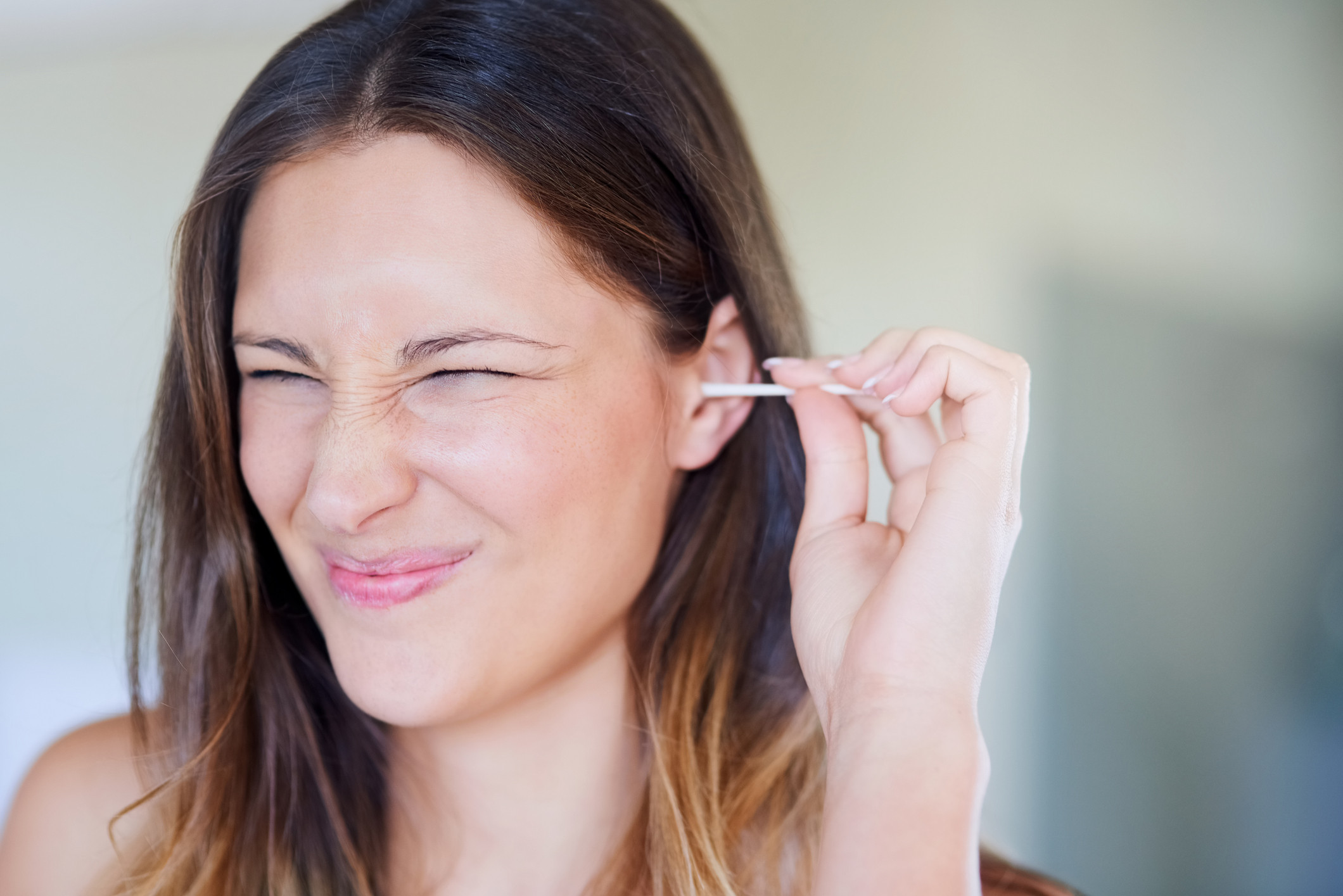
Do I need to clean my ears?
Earwax should be removed only if it causes problems with hearing, ringing in the ears, or an earache. To unblock the wax, people can use an over-the-counter ear-cleaning treatment to flush it out. If this is not successful, see your doctor.

How to fill out a "flat" behind
Older men can get "flat" or weak buttocks from spending too much time sitting, which can weaken gluteal muscles and create tight hip flexors. This weakness can place excess demand on other parts of the body, which can lead to pain in the lower back, hips, and knees and increase risk for lower-body injuries. The best way to strengthen a weak backside is to break up prolonged periods of sitting with regular movement and perform exercises that build up gluteal muscles, such as deadlifts, bridges, and step-ups.

Try this: Laughter yoga is nothing to joke about
Laughter yoga blends traditional yoga movements with laughter therapy to offer a playful approach to stress management. The group sessions consist of physical exercises and stretches, relaxation and breathing techniques, and forced smiling and vigorous laughter.

Weight training may protect the brain from cognitive decline
A small 2025 study found that older adults who did six months of weight training improved their ability to recall recent events and information. They also had had less brain shrinkage in regions affected by Alzheimer's disease, compared with people who did not do the training.

Midlife pressure surge
High blood pressure means that blood pushes against artery walls more forcefully than normal. Women's blood pressure is typically lower than men's until around age 60. An estimated 41% of women develop high blood pressure after menopause. High blood pressure increases people's risks of heart attack, stroke, kidney disease, and other problems. Factors that increase women's risk of high blood pressure at midlife include menopause, elevated sympathetic nerve activity, weight gain and redistribution, stress, and genetics.

What are the benefits of walking with a weighted vest?
Walking while wearing a weighted vest or backpack can help build muscle strength and bone density, improve the heart's pumping ability, expand lung capacity, and burn additional calories. People with neck or back pain should not wear a weighted vest.
Whole grains may improve several heart risk factors at once
Light exposure at night may raise risk for heart disease
Children of centenarians may stay healthier and live longer too, study finds
A lumbar belt may help ease low back pain
Signs of pneumonia: Sometimes vague and unexpected
The surprising link between ovarian cancer and the fallopian tubes
Using a vibration plate: What it can — and can't — do for your body
People who walk more or walk faster live longer, study finds
Rosacea treatments: What works?
For sleep apnea, a dental device may be as effective as CPAP
Free Healthbeat Signup
Get the latest in health news delivered to your inbox!
Sign Up
