

Hyaluronic acid for skin: Benefits, how to use it, and side effects
Weight cycling linked to increased muscle loss

Self-directed cognitive behavioral therapy may help alleviate chronic pain

What men should know about proposed changes for testosterone therapy

Ashwagandha: Benefits, side effects, and safety concerns
Hearing aids: Types, costs, over-the-counter options, and AirPods

Meditation techniques: How to meditate for stress, sleep, and focus

Anti-inflammatory diet: Foods that help reduce chronic inflammation

Legumes: Are they good for your heart?
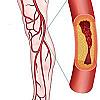
Treating peripheral artery disease: When might you need a procedure?
Physical activity and exercise Archive
Articles

Happy trails: Take a hike, now
After too much time spent indoors (and probably less active than is healthy), getting outside and taking a hike is a great way to get some exercise while enjoying nature. But before you hit the trail, make sure you're well prepared.

Harvard study: Unapproved drugs in brain-boosting supplements

Fibromyalgia: Exercise helps — here's how to start
For people with fibromyalgia, pain is a part of daily life, and exercising is probably not something they feel like doing. But experts say it’s one of the most effective strategies to help manage the condition. So what’s the best approach to getting started?

Suffering from "chemo brain"? There's hope and many things you can do
Over the past decade, research has revealed that the majority of patients treated for cancer experience difficulties with memory, attention, concentration, and thinking. There are several lifestyle actions that can help improve these symptoms, as well as certain medications.

Do employee wellness programs actually work?
Do employee health programs lead to healthier, more productive employees? A large study shows little or no impact, although results might vary based on workplace, offerings, and other factors.

The new exercise guidelines: Any changes for you?
What do the new government guidelines for exercise and physical activity mean for you? It depends on your age and ability, but overall: move more, sit less.

Trouble keeping information in mind? Could be sleep, mood, or age
Most people experience some degree of decreased memory as they get older, but memory performance is also affected by mood and sleep quality, and these are factors that can be controlled and improved.

What's good for the heart is good for the mind
The number of people with dementia is expected to climb to 50 million in the coming decades, but understanding the connection between vascular health and cognitive health allows people the opportunity to adopt heart-healthy habits that can also reduce their risk of dementia.


Take a stand against sitting
Studies have linked long periods of sitting with an increase in heart disease and early death.
Image: © monkeybusinessimages/Thinkstock
Odds are you are sitting while you read this. In fact, more than half of an average person's waking hours are spent sitting, according to a study in the Jan. 19, 2015, Annals of Internal Medicine.
All that sitting can cause great damage to your health. "The health risks tied to sitting may not be completely related to the act of sitting itself, but rather that sitting keeps you from doing healthier activity," says Dr. I-Min Lee of Harvard's T.H. Chan School of Public Health.
Hyaluronic acid for skin: Benefits, how to use it, and side effects
Weight cycling linked to increased muscle loss
Self-directed cognitive behavioral therapy may help alleviate chronic pain
What men should know about proposed changes for testosterone therapy
Ashwagandha: Benefits, side effects, and safety concerns
Hearing aids: Types, costs, over-the-counter options, and AirPods
Meditation techniques: How to meditate for stress, sleep, and focus
Anti-inflammatory diet: Foods that help reduce chronic inflammation
Legumes: Are they good for your heart?
Treating peripheral artery disease: When might you need a procedure?
Free Healthbeat Signup
Get the latest in health news delivered to your inbox!
Sign Up
