

Whole grains may improve several heart risk factors at once

Light exposure at night may raise risk for heart disease

Children of centenarians may stay healthier and live longer too, study finds

A lumbar belt may help ease low back pain

Signs of pneumonia: Sometimes vague and unexpected

The surprising link between ovarian cancer and the fallopian tubes

Using a vibration plate: What it can — and can't — do for your body

People who walk more or walk faster live longer, study finds

Rosacea treatments: What works?

For sleep apnea, a dental device may be as effective as CPAP
Physical activity and exercise Archive
Articles

Wildfires: How to cope when smoke affects air quality and health
Wildfire smoke contributes greatly to poor air quality, and as wildfires become more frequent due to climate change and drier conditions, more of us and more of our communities are at risk for health harms. Here are ways to cope.

Do collagen supplements fulfill their promises?
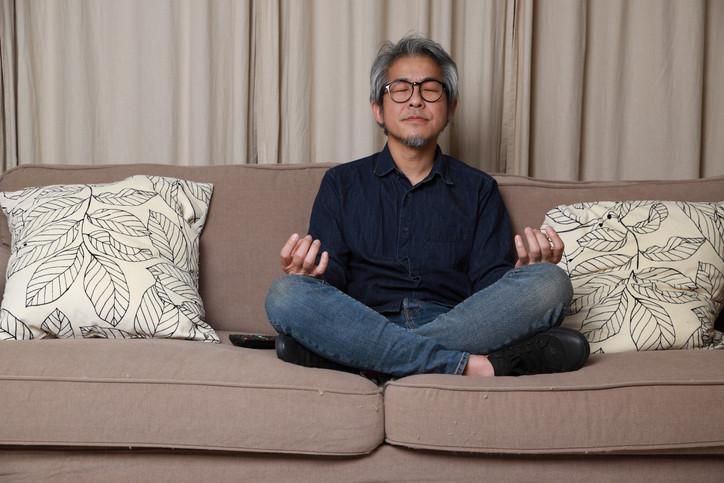
The protein collagen supports skin, hair, nail, bone, joint, and muscle health. As people age, natural collagen production drops. Some early research suggests collagen supplements offer benefits, but people should ask their doctor about the pros and cons.

Heat wave hazards
Certain medications can leave people more vulnerable to heat-related effects or the sun's rays. The medications can raise the risk of dehydration, make people sweat too much or too little, impair the body's ability to regulate temperature, or raise the risk of getting a bad sunburn. In addition, higher temperatures may damage some medicines, including diuretics, blood pressure drugs, some antidepressants, thyroid replacement hormones, and some over-the-counter antihistamines.

Substituting plant oils for butter can lead to better health
People who consume plant-based oil instead of butter may have a lower risk of death from cancer and cardiovascular disease, according to a 2025 study. These oils have more heart-healthy unsaturated fats, which help lower cholesterol levels and chronic inflammation.

Morning blue light therapy may offer many benefits for older adults
Daily morning exposure to blue-enriched light can improve sleep quality and increase activity levels in older adults, according to a 2025 study. Researchers believe morning blue light "wakes up" the brain, which increases alertness and synchronizes the sleep-wake cycle.

High temperatures may make natural mosquito repellents less effective
Mosquito repellents that rely on certain natural substances may not be as effective when temperatures reach 90° or higher. For very hot weather, people may get better protection by using the synthetic repellent DEET.
Feeling the heat
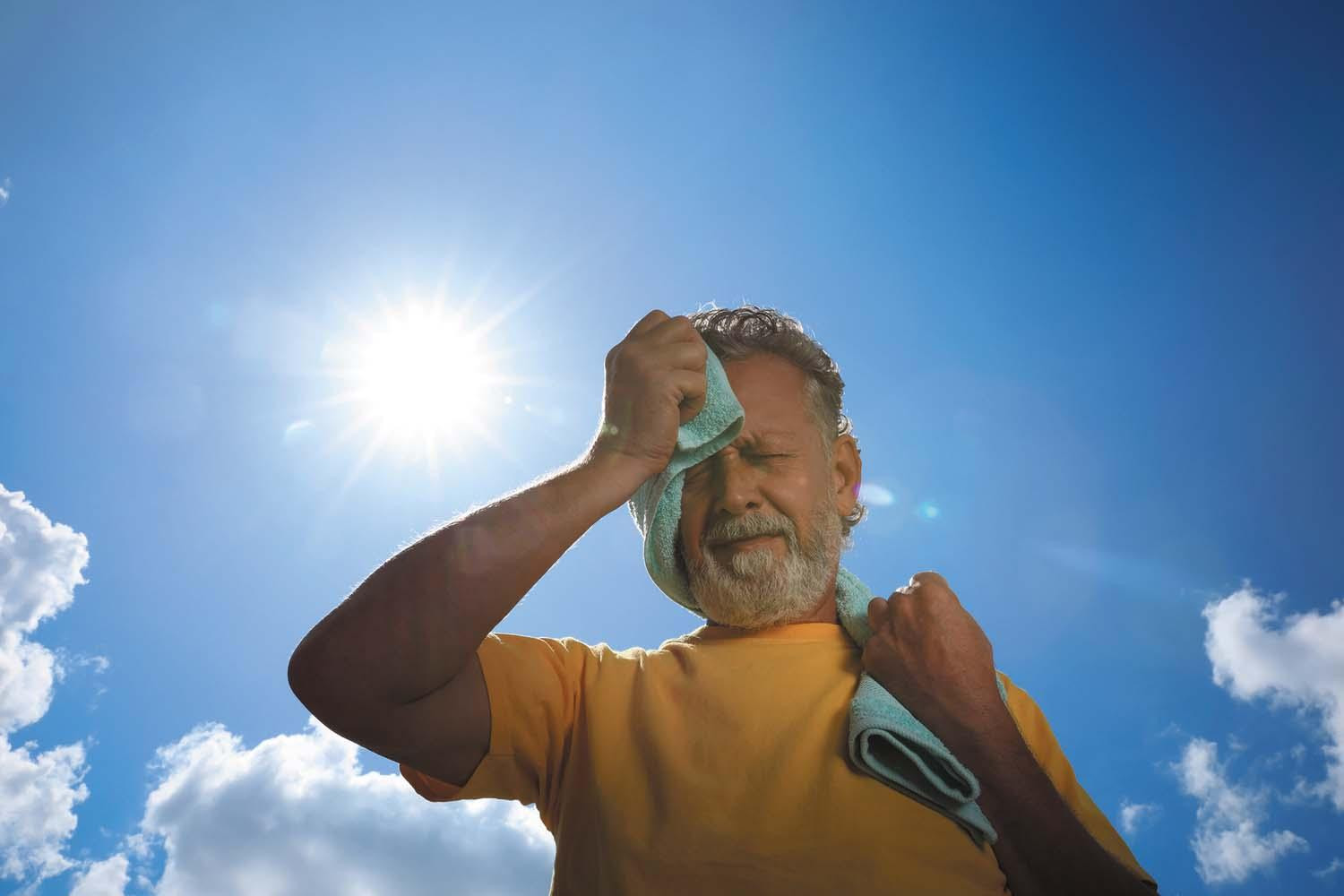
Older adults are especially vulnerable to heat-related ailments like heat exhaustion and heatstroke. The primary reason is biological, as aging bodies can't maintain a steady internal body temperature when external conditions change. Heart conditions and heart medications can add to the problem. Older adults can protect themselves from heat ailments by taking standard precautions during hot weather and recognizing the early symptoms of ailments so they can seek immediate treatment.

Get a lift from resistance training
National guidelines recommend at least two sessions of muscle-strengthening resistance training each week. Resistance training, also known as strength training, consists of upper- and lower-body exercises using free weights, weight machines, resistance bands, or one's own body weight. Resistance training offers an array of benefits, including increased muscle strength, improved heart health, stronger bones, better mobility, and greater brain function.

Wake-up to managing poor sleep
Guidelines recommend at least seven hours of sleep nightly for most healthy adults. But instead of fixating on a specific number of hours, experts suggest people focus on how well they sleep, also known as sleep quality. Improving sleep quality starts with recognizing the factors contributing to poor sleep. One way is for people to keep a sleep diary for one to two weeks to record details of their sleep experience. Afterward, they can review the information to identify any patterns that may be affecting their sleep and make adjustments.
Whole grains may improve several heart risk factors at once
Light exposure at night may raise risk for heart disease
Children of centenarians may stay healthier and live longer too, study finds
A lumbar belt may help ease low back pain
Signs of pneumonia: Sometimes vague and unexpected
The surprising link between ovarian cancer and the fallopian tubes
Using a vibration plate: What it can — and can't — do for your body
People who walk more or walk faster live longer, study finds
Rosacea treatments: What works?
For sleep apnea, a dental device may be as effective as CPAP
Free Healthbeat Signup
Get the latest in health news delivered to your inbox!
Sign Up
