

CoQ10: Should you take this popular supplement if you're on a statin?

Oat vs. dairy milk: Nutrition, benefits, and downsides

Microplastics: A hidden health threat?

Healing after food poisoning

What is tempeh? Benefits, nutrition, and how to use it

Light exposure at night may raise risk for heart disease

Whole grains may improve several heart risk factors at once

A lumbar belt may help ease low back pain

Children of centenarians may stay healthier and live longer too, study finds

Signs of pneumonia: Sometimes vague and unexpected
Osteoporosis Archive
Articles

Don’t accept a diminished sex life as a “side effect” of illness
Living with a chronic condition or as a survivor of cancer or a heart attack needn't take a toll on intimate relationships.
Image: Jack Hollingsworth/Thinkstock
Strategically timing when you take pain medication can make sex more comfortable.
Sexual satisfaction is an important part of well-being, yet women who have been successfully treated for cancer or are living with chronic conditions often accept a diminished sex life as a trade-off for being alive. "Women with cancer go through surgery, chemotherapy, and radiation in order to be alive, but once they're through treatment they may not feel as though they are really living to the fullest," says Dr. Sharon Bober, a psychologist at Harvard-affiliated Dana-Farber Cancer Institute. Women with cardiovascular disease, diabetes, and arthritis may also feel that their health issues have eroded their intimate relationships.

Endometriosis linked to increased risk of heart disease
Women who have a history of endometriosis—a risk factor for cardiovascular disease—should take measures to reduce their other cardiovascular risk factors.

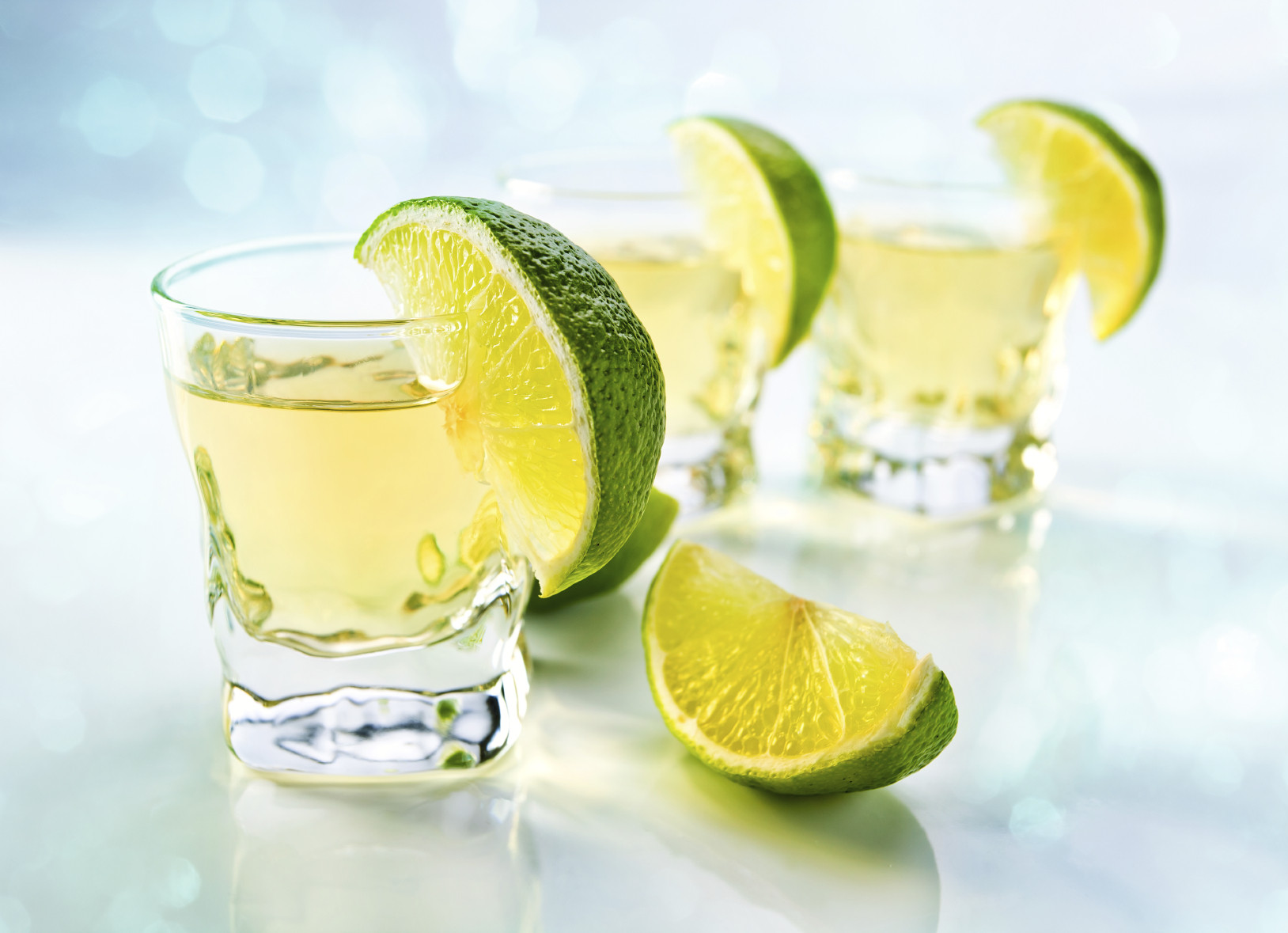
The truth about tequila and your bones
You may have seen the recent headlines proclaiming that tequila is good for bone health. While that sounds appealing to many, the truth is that there are many caveats to the study behind those headlines. This latest story is just one example of news articles that proclaim our favorite foods, like coffee and chocolate, are actually good for us. As with all these stories, it’s important to look deeper than the flashy headline.
What to do about a high blood pressure diagnosis
A high blood pressure diagnosis can come as a shock due to a lack of symptoms, but the condition is manageable. Dr. Naomi Fisher explains what to do after you are diagnosed.
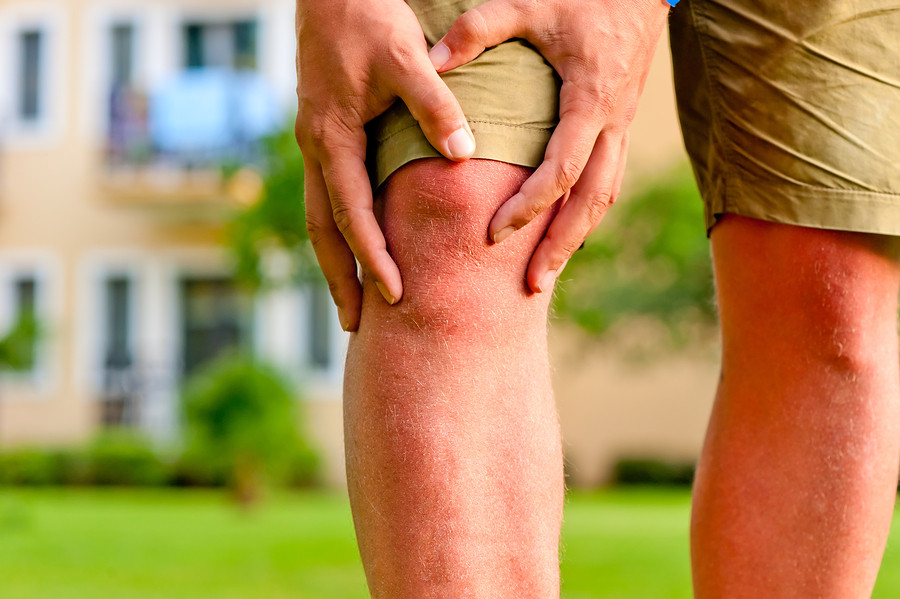
Joint pain...is it osteoarthritis?
Your knee aches from time to time. Or maybe your fingers don't seem as nimble as they used to be. Could it be osteoarthritis?
Osteoarthritis, the most common form of arthritis, develops when cartilage, the flexible tissue lining the joints, deteriorates. As a result, the space between bones gradually narrows and the bone surfaces change shape. Over time, this leads to joint damage and pain.

Concern about recurring hiccups
Hiccups are often caused by many everyday situations, including distention of the stomach (which can be the result of overeating), swallowing air, or drinking carbonated beverages. They usually go away on their own, but episodes that last longer than 48 hours could be a sign of certain medical problems.

Too much of a good thing?
Proton-pump inhibitors are among the most-prescribed medications, but is long-term use safe?
Proton-pump inhibitors reduce stomach acid, which helps to treat symptoms of acid reflux.
Image: kamontad123/Thinkstock
Proton-pump inhibitors (PPIs), which are used to treat a variety of gastrointestinal problems, are among the most popular drugs in the United States. In fact, the FDA estimates about one in 14 Americans has used a PPI.
Mediterranean diet may protect against fractures as well as high-dairy diet
Research We’re Watching
In the 2015–2020 Dietary Guidelines for Americans, the emphasis shifted from healthy foods to healthy eating plans. Scientists are also focusing on the role of one's entire diet in preventing osteoporosis.
A team of German researchers analyzed data from more than 90,000 women enrolled in the Women's Health Initiative (WHI), who were ages 50 to 79 when they entered the study.
CoQ10: Should you take this popular supplement if you're on a statin?
Oat vs. dairy milk: Nutrition, benefits, and downsides
Microplastics: A hidden health threat?
Healing after food poisoning
What is tempeh? Benefits, nutrition, and how to use it
Light exposure at night may raise risk for heart disease
Whole grains may improve several heart risk factors at once
A lumbar belt may help ease low back pain
Children of centenarians may stay healthier and live longer too, study finds
Signs of pneumonia: Sometimes vague and unexpected
Free Healthbeat Signup
Get the latest in health news delivered to your inbox!
Sign Up
