

CoQ10: Should you take this popular supplement if you're on a statin?

Oat vs. dairy milk: Nutrition, benefits, and downsides

Microplastics: A hidden health threat?

Healing after food poisoning

What is tempeh? Benefits, nutrition, and how to use it

Light exposure at night may raise risk for heart disease

Whole grains may improve several heart risk factors at once

A lumbar belt may help ease low back pain

Children of centenarians may stay healthier and live longer too, study finds

Signs of pneumonia: Sometimes vague and unexpected
Osteoporosis Archive
Articles
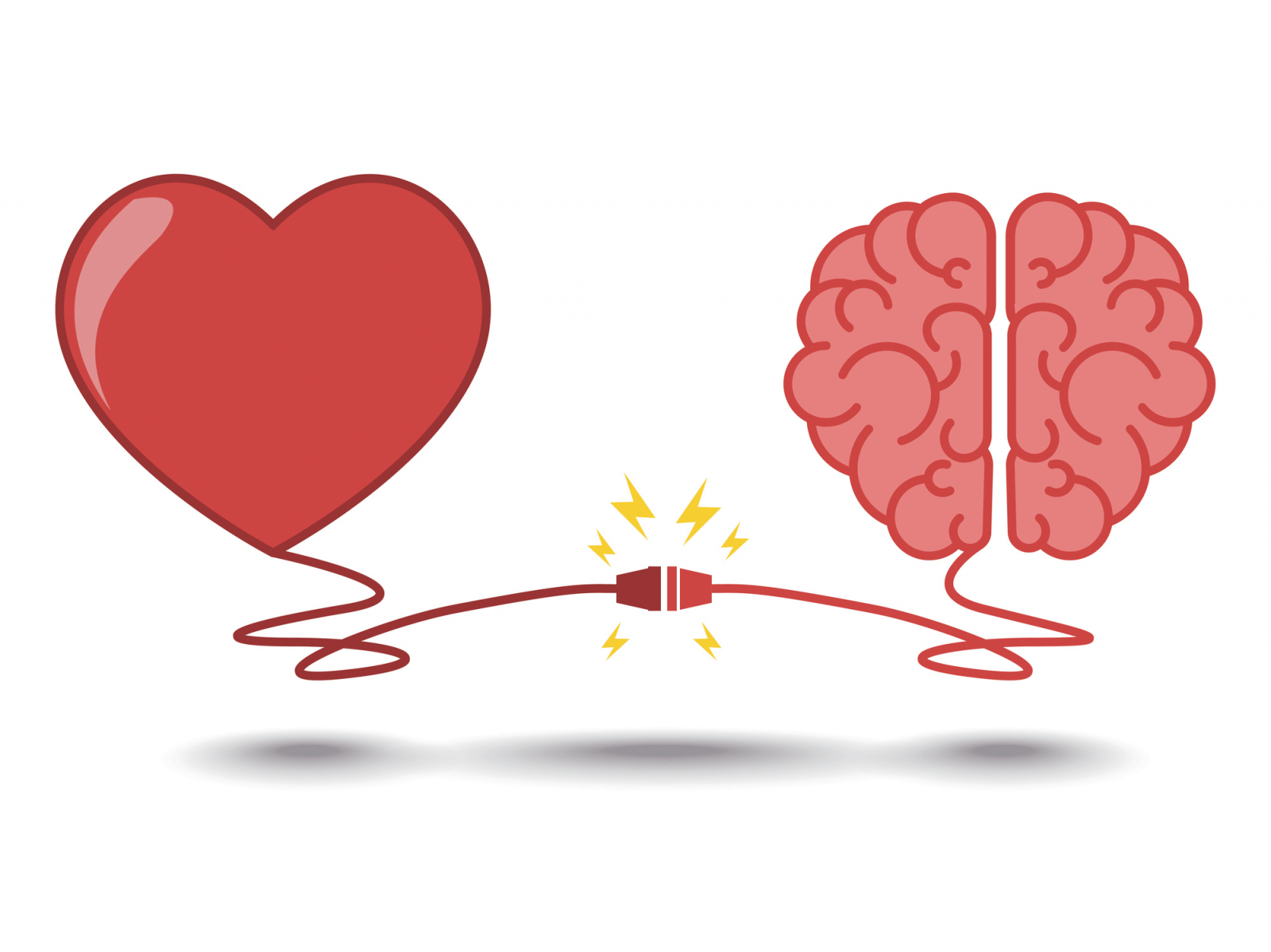
Heart disease and brain health: Looking at the links
Poor blood flow in the brain can chip away at thinking skills.
Image: RootsBeforeBranches/Thinkstock
Just like in the rest of your body, advancing years can take a toll on your brain function. Much of this slowing down is predictable and can be chalked up to normal aging. However, when thinking skills become increasingly fuzzy and forgetfulness gets to be a way of life, an early form of dementia known as mild cognitive impairment may be setting in (see "Normal aging vs. mild cognitive impairment").
Often, the first reaction is to attribute these changes to the beginning of Alzheimer's disease. But blood flow problems may be to blame, as well. "An estimated one-third of all cases of dementia, including those identified as Alzheimer's, can be attributed to vascular factors," says Dr. Albert Hofman, chair of the department of epidemiology at the Harvard T.H. Chan School of Public Health.

Monitoring your heart rhythm with a smartphone: A good call?
An app that detects an irregular heart rhythm could be reassuring for people worried about afib.
Image: Prykhodov /Thinkstock
Just over two years ago, the FDA approved the AliveCor Heart Monitor, which consists of a smartphone app plus a phone case with special sensors on the back. Touching the sensors with your fingers allows you to see a simple version of your heart's electrical activity on the phone screen. In the latest version, called Kardia, the sensors just need to be near (not necessarily on) your phone. The readout reveals if your heart rhythm looks normal or if you appear to have atrial fibrillation (afib)—a rapid, irregular heart rhythm that raises the risk of stroke.
Currently, several new smartphone apps to alert you about possible afib using just the phone itself—no special case required—are under development. Recent research suggests they're about as accurate as the Kardia system, although they haven't yet been cleared by the FDA and aren't on the market. If and when they are, could these apps help improve afib screening?

Fatty liver disease and your heart
About one in three adults has nonalcoholic fatty liver disease, an often-silent condition closely linked to heart disease.
Image: decade3d/ iStock
The largest organ inside your body, your liver performs hundreds of vital functions. It converts food into fuel, processes cholesterol, clears harmful toxins from the blood, and makes proteins that help your blood clot, to name a few. But an alarming number of Americans have a potentially dangerous accumulation of fat inside their livers. Known as nonalcoholic fatty liver disease (NAFLD), this condition is a leading cause of chronic liver disease in the United States—and an increasingly recognized contributor to heart disease.
"NAFLD increases the risk of heart disease independent of other traditional risk factors such as high blood pressure and cholesterol," says Dr. Kathleen Corey, director of the Fatty Liver Disease Clinic at Massachusetts General Hospital. Among people with NAFLD, heart disease is the top killer, accounting for more than 25% of deaths.

What can be done about droopy eyelids?
Droopy eyelids, known as ptosis, are often a normal occurrence of aging although some neurologic conditions also can cause the condition. Ptosis is not a serious problem unless it interferes with your vision. If this happens, or if your droopy eyelids are bothersome, you can opt for cosmetic surgery to repair your eyelids.

Is a heartburn drug hurting your health?
Long-term risks are associated with proton-pump inhibitors, but there are other options for treating acid reflux.
Image: Eranicle/ Thinkstock
Proton-pump inhibitors (PPIs), which reduce the amount of acid produced in the stomach, are so effective at treating heartburn and ulcers that they've been among the world's top-selling drugs for 25 years. Initially available only by prescription, PPIs, which include omeprazole (Prilosec), lansoprazole (Prevacid), and esomeprazole (Nexium), have been sold over the counter for several years. However, now that millions of people are taking PPIs, the drugs have been linked to an increasing number of health risks, such as fractures, kidney problems, vitamin B12 deficiency, low magnesium, and—most recently—dementia and heart attack.
"These studies—especially those suggesting a relationship to dementia and heart attack—are concerning," says Dr. Jacqueline Wolf, a gastroenterologist and associate professor of medicine at Harvard Medical School and author of A Woman's Guide to a Healthy Stomach: Taking Control of Your Digestive Health.

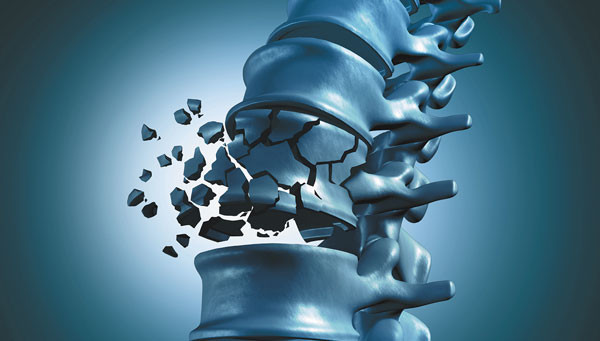
Shunning osteoporosis treatment isn’t a wise decision for most women
Forgoing drugs that slow bone loss to avoid rare side effects can be the wrong decision for your hips and spine.
Image: wildpixel/Thinkstock
A front-page article in the June 1, 2016, edition of The New York Times carried this headline: "Fearing drugs' rare side effects, millions take their chances with osteoporosis." The article described a situation all too familiar to doctors. Women are declining prescriptions of bisphosphonates—drugs that slow the rate at which the body breaks down bone—or discontinuing the medications far earlier than recommended. In fact, according to a 2015 report in the Journal of Bone and Mineral Research, the rate of bisphosphonate use fell by half between 2008 and 2012. That article documented a wave of media coverage of scientific studies that reported two rare side effects—osteonecrosis (bone death) of the jaw and atypical fractures near the top of the femur (thigh-bone)—and suggested that the reports had kindled fears that had led women to abandon bisphosphonates.
"The perception of risk is so much greater than the actual risk," says Dr. Meryl LeBoff, director of the skeletal health and osteoporosis center at Harvard-affiliated Brigham and Women's Hospital. Compared with many other common diseases, we are fortunate that we have good therapies to reduce the risk of osteoporotic fractures by 70% at the spine and 40 to 50% at the hip. She points to statistics referenced in the New York Times article: for every 100,000 women taking a bisphosphonate, fewer than three will have osteonecrosis of the jaw and one will have an atypical femur fracture, but 2,000 will have avoided an osteoporotic fracture.
Pessary and exercise relieve symptoms for women with pelvic floor prolapse
A pessary and pelvic floor exercises can improve symptoms of pelvic floor prolapse.
A warning about heartburn medications that contain aspirin
The FDA is warning that over-the-counter antacids with aspirin in them can cause stomach bleeding in rare cases.
Gum disease may signal warning for pancreatic cancer
Research has found that people with high levels of the oral bacteria Porphyromonas gingivalis had a 59% greater risk of developing pancreatic cancer. It is too early to say whether this specific bacterium directly contributes to the disease. However, one theory is that since inflammation is related to cancer, the bacteria could cause inflammation in the pancreas. Another possibility is the bacteria are simply a marker for cancer-causing inflammation.
CoQ10: Should you take this popular supplement if you're on a statin?
Oat vs. dairy milk: Nutrition, benefits, and downsides
Microplastics: A hidden health threat?
Healing after food poisoning
What is tempeh? Benefits, nutrition, and how to use it
Light exposure at night may raise risk for heart disease
Whole grains may improve several heart risk factors at once
A lumbar belt may help ease low back pain
Children of centenarians may stay healthier and live longer too, study finds
Signs of pneumonia: Sometimes vague and unexpected
Free Healthbeat Signup
Get the latest in health news delivered to your inbox!
Sign Up
