

CoQ10: Should you take this popular supplement if you're on a statin?

Oat vs. dairy milk: Nutrition, benefits, and downsides

Microplastics: A hidden health threat?

Healing after food poisoning

What is tempeh? Benefits, nutrition, and how to use it

Light exposure at night may raise risk for heart disease

Whole grains may improve several heart risk factors at once

A lumbar belt may help ease low back pain

Children of centenarians may stay healthier and live longer too, study finds

Signs of pneumonia: Sometimes vague and unexpected
Osteoporosis Archive
Articles
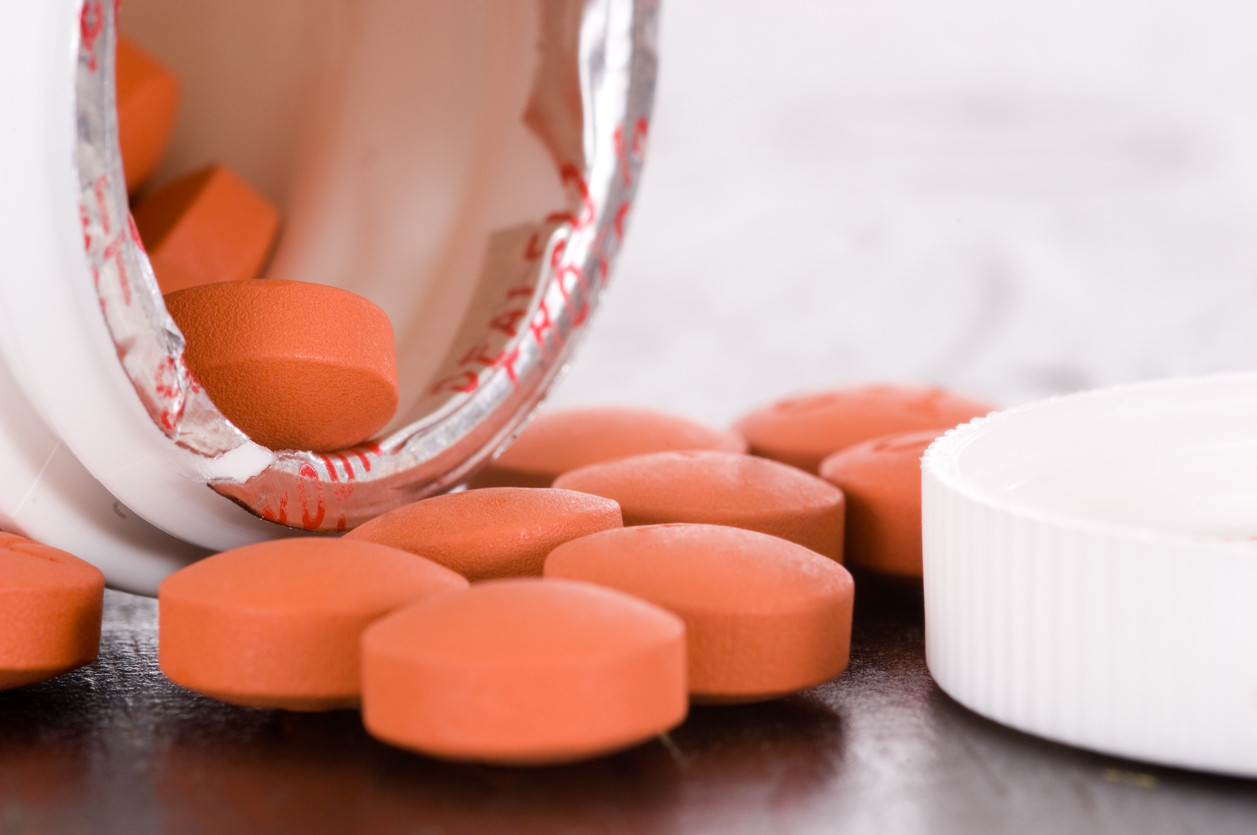

Surviving the flu season
The odds of beating the bug are increasing as another new vaccine for seniors debuts.
Image: Bigstock
The flu season is upon us. Like that other season—winter—it can be unpredictable. But the Centers for Disease Control and Prevention (CDC) is doing its best to see that we're informed and as prepared as possible for whatever is in store. For updates throughout the flu season, check the CDC website, www.cdc.gov/flu.
How well does the flu shot work?
Why the flu shot is worthwhile
Flu vaccination may make your illness milder if you do get sick. A 2016 study indicated that people 50 or older who got a flu vaccination had a 57% lower risk of hospitalization for the flu than their contemporaries who weren't vaccinated. Flu vaccination has been associated with lower rates of heart attacks and related problems among people with heart disease and with reduced hospitalizations among people with diabetes and chronic lung disease.
Getting vaccinated yourself also protects people around you, including those who are more vulnerable to serious flu illness, like babies and people with certain chronic health conditions.
Vaccines for seniors

Numb fingers? Icy toes? It may be Raynauds.
Raynaud's phenomenon—an extreme reaction to cold—can be annoying, or it may signal a serious chronic condition.
Image: Bigstock
If you live in the northern latitudes, you may have already had an episode in which your fingers froze or your nose, toes, or earlobes grew cold, pale, and numb. And if you're a southerner, you might have neighbors who migrated to avoid such episodes. While some people with chilly fingers just have cold sensitivity, others—especially women—may have Raynaud's phenomenon.
What is Raynaud's?
Two forms of Raynaud's
Primary Raynaud's phenomenon, which has no known cause, is much more common in women than in men and often begins in adolescence. Although it can be annoying and even painful, it usually doesn't require medical attention.
Secondary Raynaud's phenomenon occurs later in life in people who have injuries from operating vibrating tools or who have autoimmune disorders that affect connective tissue, such as scleroderma, rheumatoid arthritis, or lupus. These conditions can damage blood vessels and change their response to cold or stress. If you develop Raynaud's later in life, you should get a medical evaluation to determine whether you have secondary Raynaud's and, possibly, another underlying condition that warrants treatment.
Living with Raynaud's

Mobile app reduces stress incontinence episodes in small trial
Women who used Tät, a smartphone app, did more pelvic floor exercises and had greater reductions in episodes of stress incontinence.

Give grip strength a hand
Your ability to grab, hold, twist , and squeeze is essential for many everyday functions.
Image: JannHuizenga/Thinkstock
Think how much you rely on a strong grip every day. It helps you open cans, grip a golf club, hold a steering wheel, brush your teeth, and pick up a grandchild. "The ability to stay active and independent often begins with our hands," says Maria Cole, a physical therapist with Harvard-affiliated Spaulding Outpatient Center. "Weak grip strength can limit your enjoyment of many life pleasures, so you need to ensure your hand and grip strength always are up to the task."
A measure of health
A grip on mobility
Grip strength also may predict your future loss of mobility. A May 2014 study in The Journal of Gerontology Series A: Biological Sciences and Medical Sciences analyzed data from more than 20,000 adults ages 65 and older to evaluate the link between weak grip strength and lack of mobility, in this case slow walking speed.
Among the men in the group, those with a weak grip—less than 26 kg using a dynamometer—were seven times more likely to be facing mobility issues compared with men who had normal grip strength.
You can take steps to improve grip strength and possibly avoid problems down the road. "You need to exercise your hands and wrists just like every other part of your body to keep them strong and supple," says Cole.
Exercise your hands

Is it too late to get a flu shot?
The best time to get an annual flu shot is in mid-October. However, it’s not too late to get the shot in December, since people are still at risk of getting flu for several more months.

Ask the doctor: Checking for blocked arteries in heart failure?
When a person develops heart failure without a good explanation for the underlying cause, a heart catheterization to check for blockages in the coronary arteries may be appropriate.
Should I worry about a heart murmur?
Heart murmurs can occur when people are young and then return in older age. There are three main causes in adults: increased volume or speed of blood flowing through a normal heart, a stiff heart valve, or a leaky heart valve. Most do not lead to heart problems, but a change in the murmur’s intensity or the appearance of symptoms like shortness of breath, light-headedness, or chest pain would prompt a further medical evaluation.
A new look at colon cancer screening
Don't be intimidated about screening tests. The latest guidelines suggest you can choose from multiple strategies.
Image: Bigstock
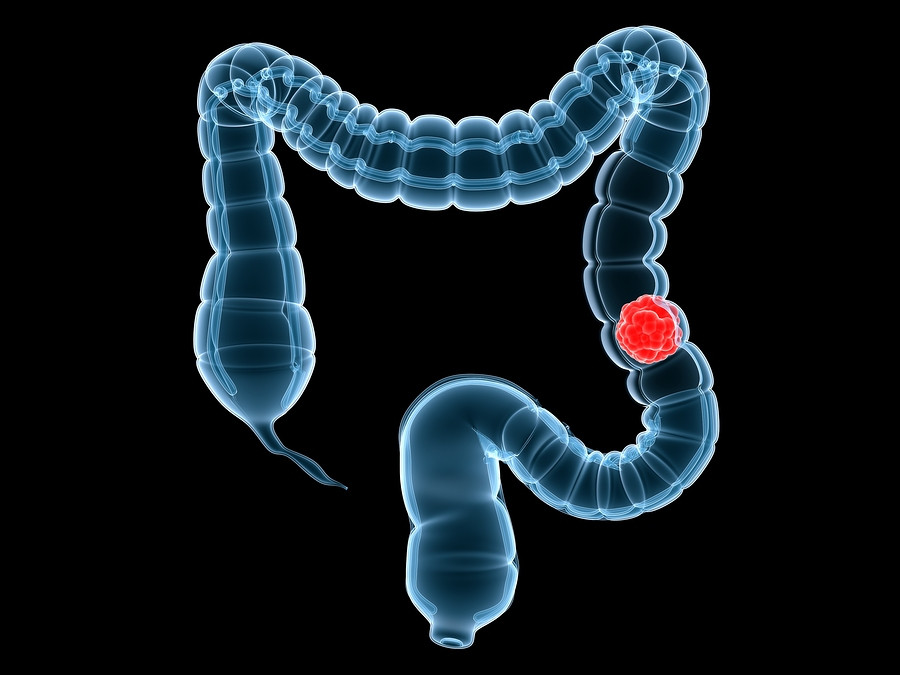
Colon cancer continues to be the country's second leading cause of cancer-related deaths and the third most common cancer in men, according to the CDC.
It almost always develops from precancerous polyps (abnormal growths). Screening tests, which are recommended for men ages 50 to 75, help find and sometimes aid removal of polyps before they become cancer. (Men older than 75 may still benefit, depending on their health.)
Treatment options for obstructive sleep apnea
A range of choices may help you get a better night's sleep.
Image: Courtsey of Carpenter Co.
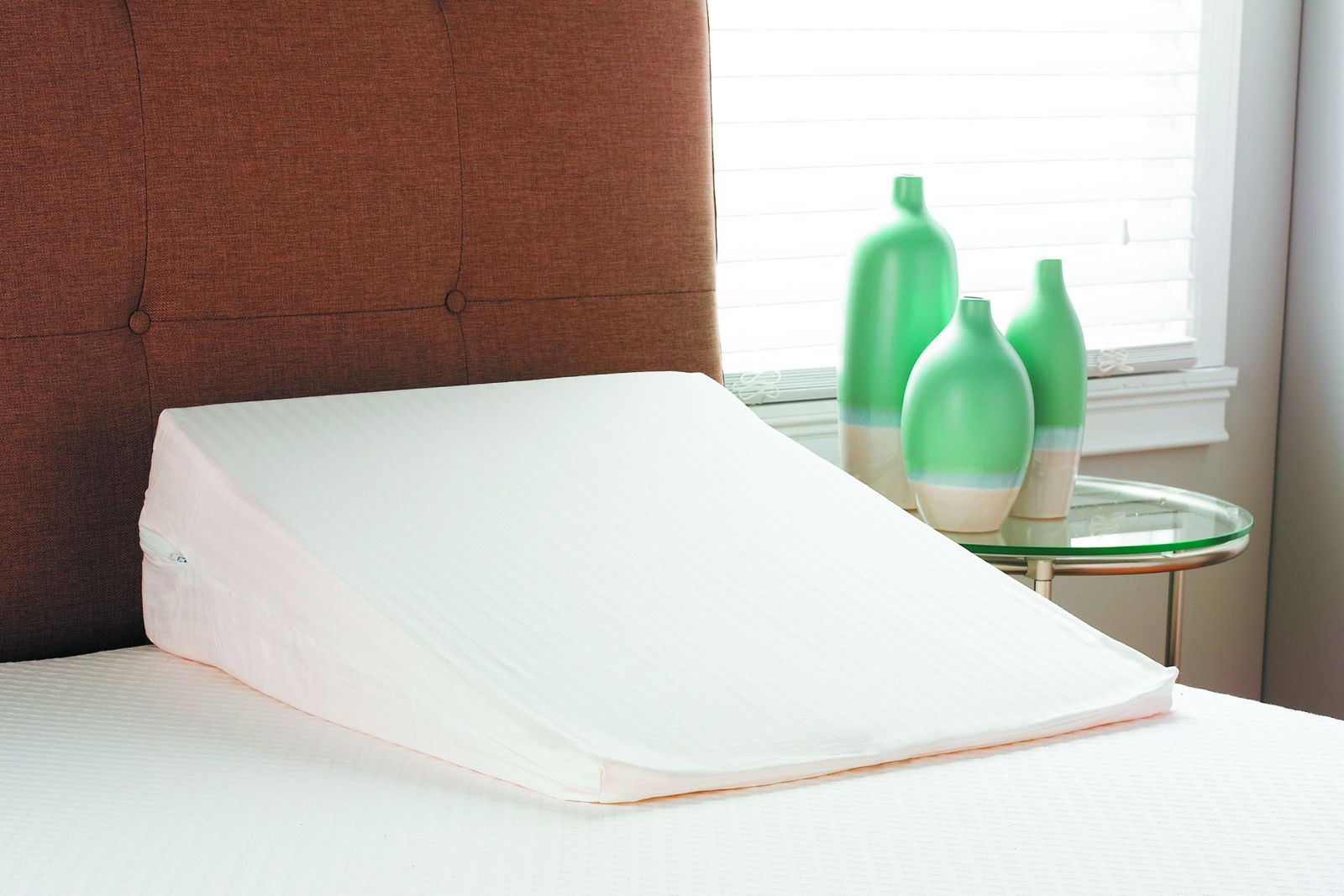
When the doctor says you have obstructive sleep apnea (OSA), you'll likely hear about the gold standard in treatment: continuous positive airway pressure (CPAP), which uses forced air, pushed through a tube connected to a face mask, to keep your airway unblocked. Yet many people have trouble adjusting to a bulky CPAP mask. "We often see people who say they tried CPAP and didn't like it, and now it's been years since they've had treatment," says Dr. Stuart Quan, the Gerald E. McGinnis professor of sleep medicine at Harvard Medical School.
You may be able to adjust to CPAP by trying relaxation exercises, practicing wearing the mask during the day, and gradually increasing CPAP pressure. But if it doesn't work out, you do have alternatives.
CoQ10: Should you take this popular supplement if you're on a statin?
Oat vs. dairy milk: Nutrition, benefits, and downsides
Microplastics: A hidden health threat?
Healing after food poisoning
What is tempeh? Benefits, nutrition, and how to use it
Light exposure at night may raise risk for heart disease
Whole grains may improve several heart risk factors at once
A lumbar belt may help ease low back pain
Children of centenarians may stay healthier and live longer too, study finds
Signs of pneumonia: Sometimes vague and unexpected
Free Healthbeat Signup
Get the latest in health news delivered to your inbox!
Sign Up
