

CoQ10: Should you take this popular supplement if you're on a statin?

Oat vs. dairy milk: Nutrition, benefits, and downsides

Microplastics: A hidden health threat?

Healing after food poisoning

What is tempeh? Benefits, nutrition, and how to use it

Light exposure at night may raise risk for heart disease

Whole grains may improve several heart risk factors at once

A lumbar belt may help ease low back pain

Children of centenarians may stay healthier and live longer too, study finds

Signs of pneumonia: Sometimes vague and unexpected
Osteoporosis Archive
Articles

Atrial fibrillation carries a greater risk of stroke and death for women
Men are more likely than women to develop atrial fibrillation (afib)—a rapid, erratic beat in which the heart's upper chamber doesn't contract forcefully, allowing blood to pool and increasing the risk of clotting. However, some—but not all—studies have indicated that afib poses a greater stroke risk in women than in men. To settle the question, an international team of researchers looked at 30 studies with 4.4 million participants. They found that compared with men who have afib, women with afib have a 12% higher risk of death from all causes and almost double the risk of having a stroke or dying from one. The results were published online Jan. 20, 2016, by the journal BMJ.
Women notoriously neglect the symptoms of afib—feeling weak, breathless, or unusually fatigued. If you have afib symptoms, get medical attention, even if you think it's only a virus. There are several successful treatments for afib as well as for preventing stroke in women who have afib.
How long should you take a bisphosphonate for osteoporosis?
Millions of postmenopausal women are taking a bisphosphonate like oral alendronate (Fosamax) or intravenous (IV) zoledronic acid (Reclast) to increase bone density. But because long-term use of these drugs has been associated with an increased risk of bone death in the jaw and unusual thighbone fractures, experts have debated how long women should stay on the drugs to minimize the risk of hip or vertebral fractures without raising their risk for these rare but serious complications.
After considering major randomized controlled clinical trials, a task force of the American Society for Bone and Mineral Research has released guidelines on the optimal duration of bisphosphonate therapy for osteoporosis. The guidelines, published in the January 2016 issue of the Journal of Bone and Mineral Research, recommend reassessing a woman's fracture risk after five years of oral bisphosphonates or three years of IV therapy. They advise that women whose risk is still high should continue to take oral bisphosphonates for up to 10 years or IV therapy for up to six years. However, fracture risk should be reassessed every two to three years during extended therapy.
Heart attack and stroke risk may rise briefly after a bout of shingles
A painful, blistering rash known as shingles may temporarily increase a person's risk of a stroke or heart attack, according to a study in the Dec. 15, 2015 PLOS Medicine. Also known as herpes zoster, shingles results from a reactivation of the virus that causes chickenpox, which most adults had during childhood.
For the study, researchers analyzed the records of more than 67,000 people ages 65 and older diagnosed with shingles and either a heart attack or stroke from 2006 through 2011. They then compared the rates of cardiovascular events before and after a shingles attack. In the first week after a shingles diagnosis, the risk of a stroke rose 2.4 times and the risk of a heart attack increased 1.7 times compared with baseline risk.

Stronger hands linked to a healthier heart
The strength of your hands may hold clues to the health of your heart. A study in the December 2015 American Journal of Preventive Medicine found that people with stronger handgrips had more favorable findings on measures of their cardiovascular health than those with weaker grips.
The study included more than 4,200 adults ages 20 and older who were part of a nationwide health study. Researchers used a device called a dynamometer to measure each participant's hand strength, adjusting the readings based on body mass index. They found that higher handgrip strength was associated with lower blood pressure, lower triglycerides (a type of fat in the blood), lower blood sugar, and higher HDL (good) cholesterol.
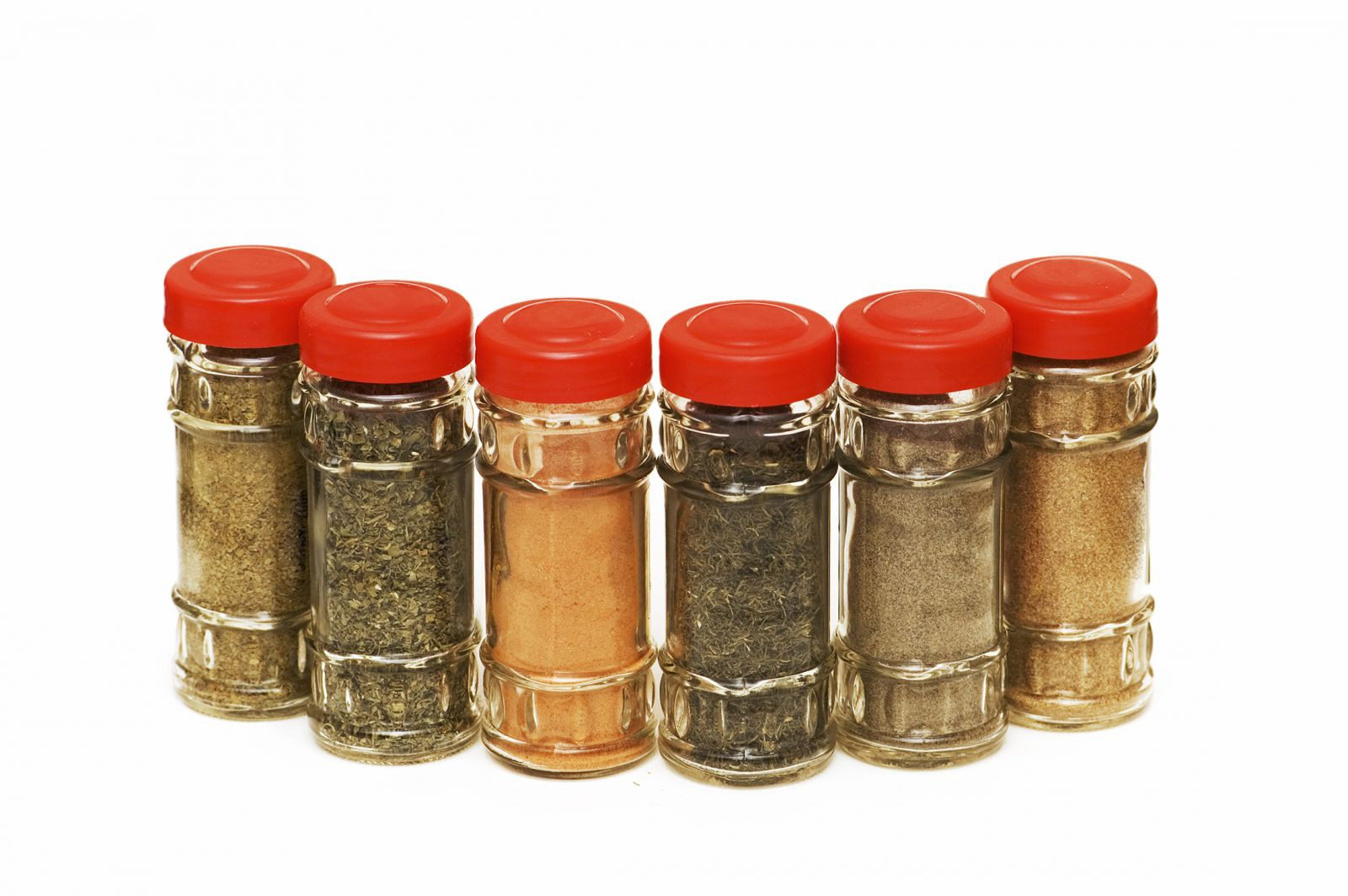
Can everyday spices make you healthier?
Turmeric, coriander, and cumin may boost your health and breathe new life into tired dishes.
The health benefits of foods such as berries, broccoli, and salmon are well known. But your kitchen's spice rack may also hold some secret weapons against conditions such as inflammation, heart disease, cancer, and more. "Spices are underused, but it would be very easy to take advantage of them and improve health," says Dr. Lipi Roy, an internal medicine physician at Harvard-affiliated Massachusetts General Hospital.
There are few large randomized trials that demonstrate spices' health effects. But many studies in animals suggest that several spices offer benefits. So instead of flavoring your food with salt and butter, which can contribute to high blood pressure and heart disease, consider using the following spices.

Build a better bladder
Exercises, lifestyle change, medications, and procedures can alleviate incontinence and give you your life back.
A leaky bladder or a sudden urge to go to the bathroom is uncomfortable andembarrassing. But you can take steps to alleviate the problem. "Some people tell me they would have sought treatment sooner if they'd known it was this simple," says Dr. Anurag Das, director of the Center for Neurourology and Continence at Harvard-affiliated Beth Israel Deaconess Medical Center.
Lifestyle changes
One of the first lines of defense is pill-free and costs nothing: lifestyle change. For urge incontinence (see "Types of incontinence"), you can try timed voiding (urinating on a schedule) and bladder guarding, which teaches you to cope with triggers that set off the urge to go, such as washing dishes or hearing water. "You squeeze your muscles to hold in urine before a trigger, which sends a message to the brain that this is not the time to go," says Dr. Das. Other lifestyle changes include watching fluid intake; quitting smoking, to reduce coughing and pressure on the bladder; and minimizing bladder irritants such as caffeine, alcohol, and carbonated drinks.
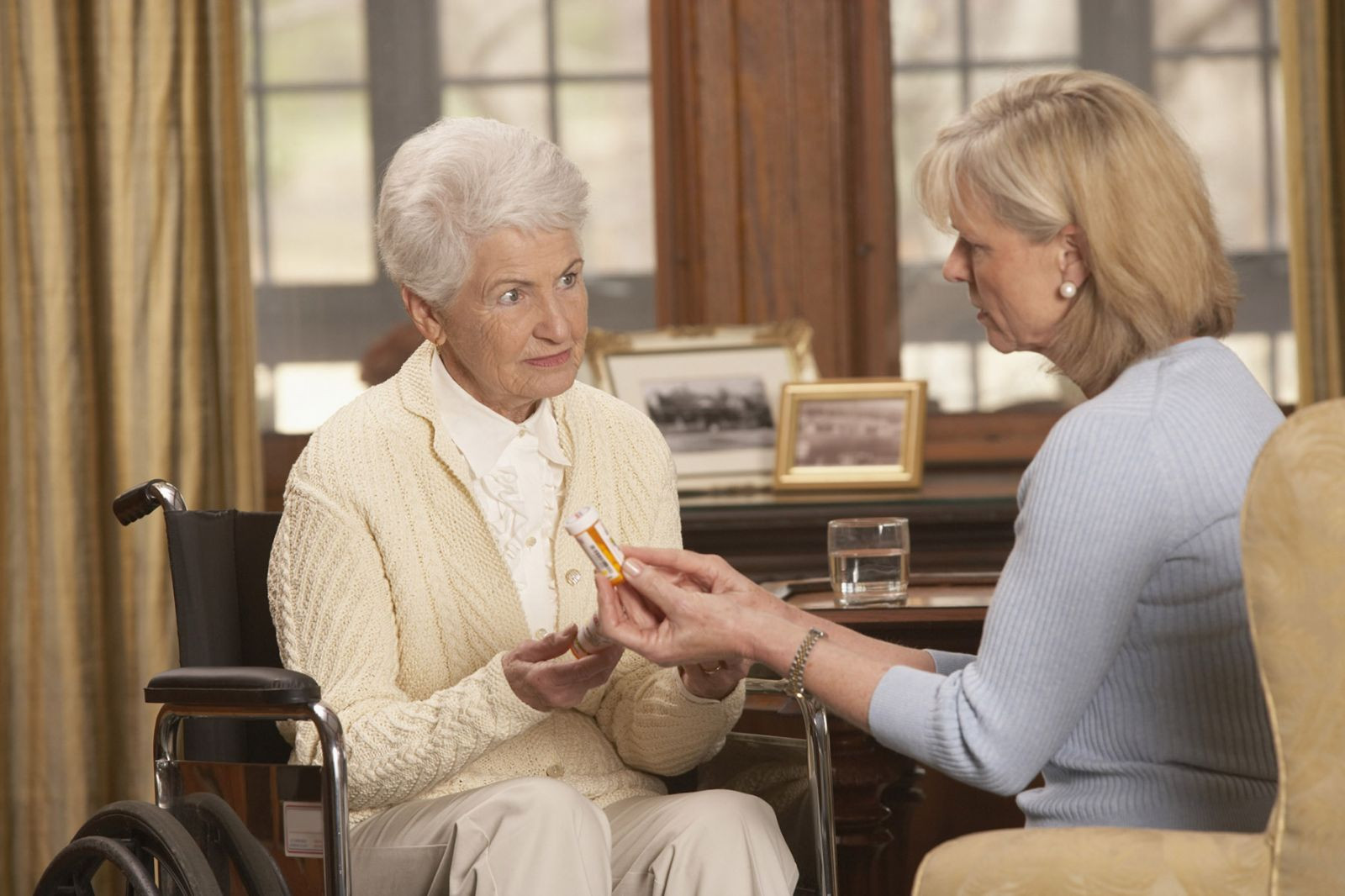
Prescription pain pills: Worth the risks?
Thorough risk assessment and family assistance may help you take them more safely.
Prescription pain pills such as oxycodone (Oxycontin) and hydrocodone (Vicodin) are in a class of drugs known as opioids. They're typically used to treat severe pain after surgery, and sometimes to treat chronic pain. But these drugs come with many risks, including addiction. Does that put you at risk if you take opioids? "You have to look at it on a case-by-case basis," says Dr. Hilary Connery, an addiction psychiatrist at Harvard-affiliated McLean Hospital.
Risks and benefits
Opioids are powerful painkillers that block messages of pain to the brain and decrease the body's perception of discomfort. They may also create a feeling of euphoria. Opioids are especially useful in the short term, such as the initial weeks following joint replacement. Common side effects include nausea, itching, drowsiness, or constipation.
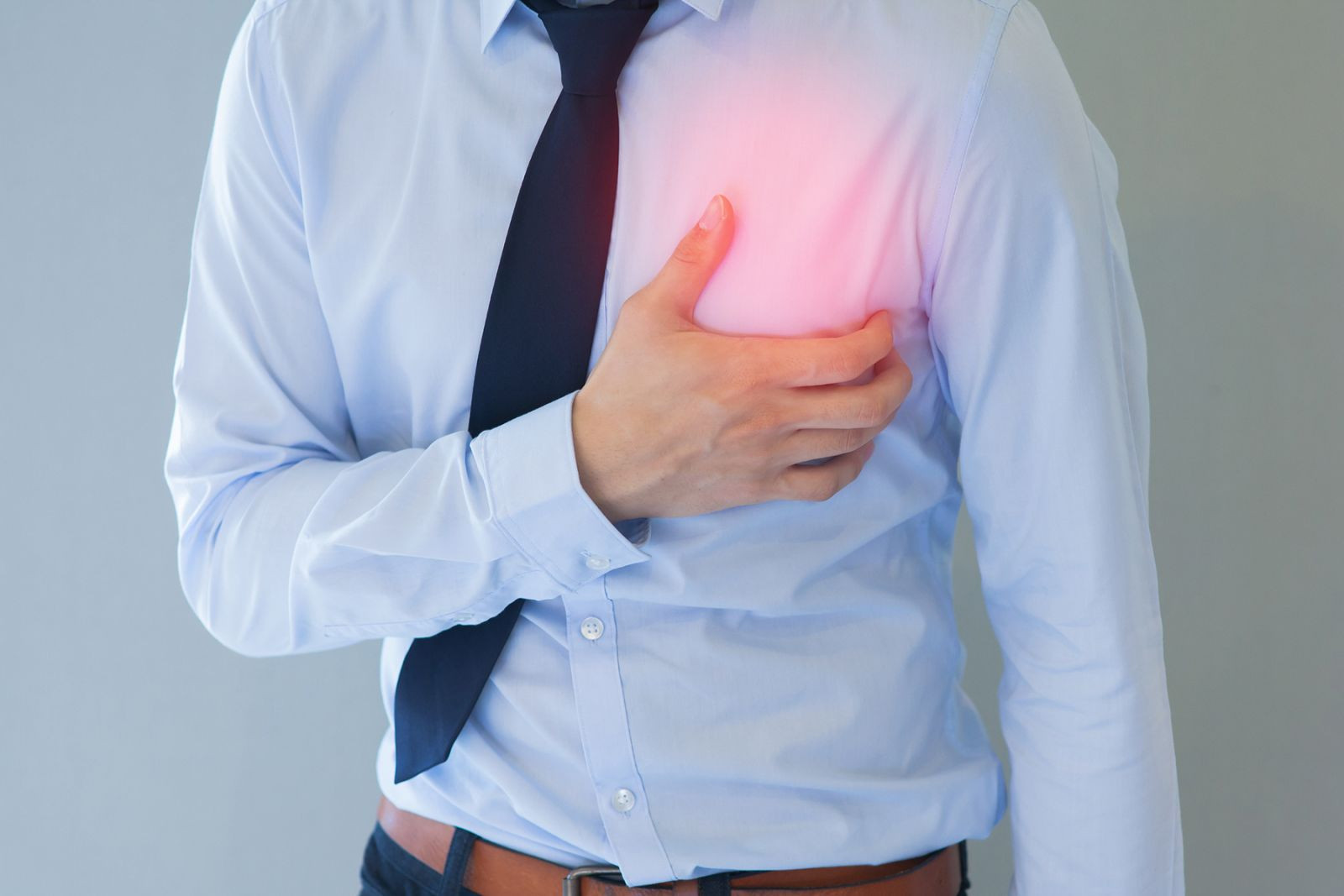
Don't ignore signs of sudden cardiac arrest
You may assume that there aren't any symptoms for sudden cardiac arrest (SCA), the deadly condition that occurs when your heart suddenly stops pumping. But a study published Jan. 5, 2016, in Annals of Internal Medicine suggests that warning signs are common and often ignored. The most common warning signs were chest pain, breathlessness, palpitations, lightheadedness or fainting, nausea, and vomiting.
Researchers looked at the health information of more than 800 people who experienced SCA, mostly middle-aged men, and discovered that about half of the people had warning signs during the four weeks leading up to SCA and even 24 hours before their hearts stopped. But most of those with warning signs ignored the symptoms. Thirty-two percent of those who called 911 before SCA survived, compared with only 6% among those who didn't call for help. That's because many of the symptoms that led people to call 911 occurred in the hours just before the SCA, so these people were likely to be in a medical care setting when their hearts stopped.

Ask the doctor: Protecting eyesight with vitamins and supplements
Ask the doctor
Q: My eyesight is declining, but my eye doctor tells me I do not have any serious eye problems. Are there any vitamins or supplements I can take to protect my eyes?
A: Based on the most recent research, there is no proven vitamin cocktail to prevent vision loss. The most common causes of vision loss as you grow older are cataracts and age-related macular degeneration (AMD). Since cataracts can be treated with simple surgery, much of the attention for prevention of vision loss has focused on macular degeneration. Initially, there was excitement about antioxidant vitamins, since a combination of vitamins A, C, and E delayed progression of AMD in previously diagnosed individuals. However, the Age-Related Eye Disease Study showed no benefit from antioxidants in people who did not already have AMD. A single study in women (average age 64) reported that a combination of vitamins B6, B12, and folate reduced the development of AMD over a seven-year period. But this study has not been replicated, and it hasn't been done in men, which makes it hard to recommend these supplements.
What you should know about fibroids
These uterine tumors, though usually benign, can cause heavy bleeding, cramps, and pregnancy complications. But there are several good options for treatment.
Fibroids—smooth muscle tumors of the uterus—are common, affecting as many as 75% of women. They are rarely cancerous, and they cause symptoms in only about 20% of the women who have them. However, if you're one of those with symptoms like heavy menstrual bleeding, bad cramps, pelvic pressure, constipation, or frequent urination, you know how fibroids can disrupt your life. Even if they don't cause symptoms, they may grow into the uterine cavity, potentially complicating a pregnancy and raising the risk of miscarriage.
"Managing uterine fibroids depends on several factors, such as a woman's symptoms, whether or not she wants to have children, her age, and her personal preferences," says Dr. Hye-Chun Hur, director of the Division of Minimally Invasive Gynecologic Surgery at Harvard-affiliated Beth Israel Deaconess Medical Center and associate medical editor of Harvard Women's Health Watch.
CoQ10: Should you take this popular supplement if you're on a statin?
Oat vs. dairy milk: Nutrition, benefits, and downsides
Microplastics: A hidden health threat?
Healing after food poisoning
What is tempeh? Benefits, nutrition, and how to use it
Light exposure at night may raise risk for heart disease
Whole grains may improve several heart risk factors at once
A lumbar belt may help ease low back pain
Children of centenarians may stay healthier and live longer too, study finds
Signs of pneumonia: Sometimes vague and unexpected
Free Healthbeat Signup
Get the latest in health news delivered to your inbox!
Sign Up
