

CoQ10: Should you take this popular supplement if you're on a statin?

Microplastics: A hidden health threat?

Oat vs. dairy milk: Nutrition, benefits, and downsides

What is tempeh? Benefits, nutrition, and how to use it

Healing after food poisoning

Children of centenarians may stay healthier and live longer too, study finds

Light exposure at night may raise risk for heart disease

Whole grains may improve several heart risk factors at once

A lumbar belt may help ease low back pain

Signs of pneumonia: Sometimes vague and unexpected
Digestive Health Archive
Articles

Is constant gum-chewing a bad idea?
Evidence suggests that chewing gum can help people feel more focused and less stressed. Chewing sugar-free versions can hinder cavities. But constant gum-chewing can tire jaw muscles, and xylitol-containing gum can trigger abdominal distress.
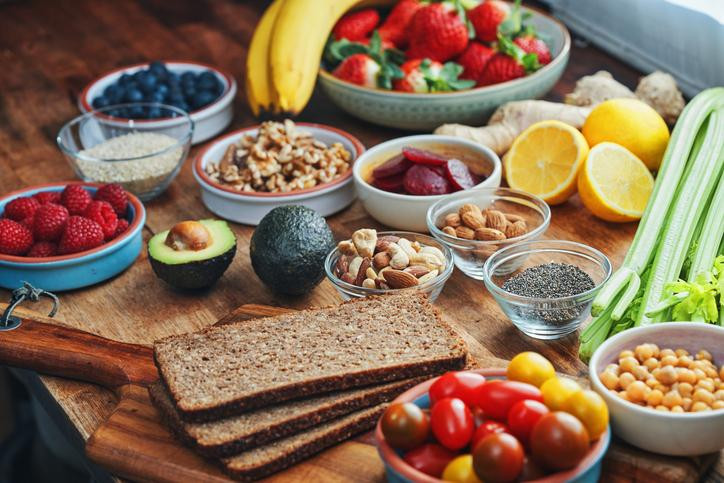
DASH diet tied to lower colorectal cancer risk
A 2025 research review found that adhering to the DASH diet-which emphasizes eating fruits, vegetables, lean protein, whole grains, nuts, and low-fat dairy products-is linked to a lower risk of developing colorectal cancer.

Exercise boosts colon cancer survival
In a 2025 study of about 900 people treated for colon cancer (followed for an average of eight years), people who took part in a supervised exercise program for three years had about 30% better odds of surviving, compared with people who weren't in the program.

Letting the air out of bloating
The digestion process slows as one ages, causing digested food to take its time moving along the gastrointestinal tract from the stomach through the intestines. The longer food stays in the digestive tract, the more opportunity there is for gas to be produced and build up, resulting in bloating. Recurrent bloating also can be caused by people's reactions to certain foods, especially those that contain sugars called FODMAPs. Adjusting one's diet to avoid trigger foods and taking over-the-counter remedies can help prevent and manage problem bloating.

Is it really GERD?
In gastroesophageal reflux disease (GERD), stomach acid washes backward into the esophagus. This can cause symptoms such as heartburn, an acidic or metallic taste in the mouth, hoarse voice, chest pain, dry cough, post-nasal drip, or trouble swallowing. Symptoms can overlap with those of several other conditions. These include hiatal hernia, functional dyspepsia, eosinophilic esophagitis, esophageal spasms, or heart attack. Distinguishing GERD from other conditions may involve various tests, including an endoscopy to view the esophagus lining.

Second-guessing symptoms
While many health symptoms resolve quickly on their own, others linger and make people wonder if they need to see a doctor. Symptoms that warrant a doctor's visit include drawn-out cold symptoms such as fatigue, cough, and low-grade fever; a fever lasting more than four days; unexpected symptoms when starting a new medication or after surgery; certain digestive problems; and new or worsening mental health issues.

Physical activity of any intensity tied to lower cancer risk
In a 2025 study of more than 85,000 people (average age 63), followed for six years, those who were the most active-even if they were simply doing light-intensity activities-had a 26% lower risk for cancer, compared with those who were least active.

Calcium may cut odds of colorectal cancer, while alcohol may boost them
A 2025 study suggested that boosting dietary calcium intake may reduce the odds of developing colorectal cancer, while drinking more alcohol may raise risks for the disease.

A simpler FODMAP diet for irritable bowel syndrome
A small randomized controlled trial published in February 2025 suggests that eliminating oligosaccharides from the diet might be enough to ease symptoms of irritable bowel syndrome, as opposed to eliminating all the categories of food known as FODMAPs.

Salmonella is sneaky: Watch out
If you've ever had food poisoning caused by Salmonella bacteria, you know it's unpleasant but typically goes away within two to three days. You may not know that these bacteria sicken more than a million people in the US each year - and can be deadly for some. You can take steps to avoid getting sick.
CoQ10: Should you take this popular supplement if you're on a statin?
Microplastics: A hidden health threat?
Oat vs. dairy milk: Nutrition, benefits, and downsides
What is tempeh? Benefits, nutrition, and how to use it
Healing after food poisoning
Children of centenarians may stay healthier and live longer too, study finds
Light exposure at night may raise risk for heart disease
Whole grains may improve several heart risk factors at once
A lumbar belt may help ease low back pain
Signs of pneumonia: Sometimes vague and unexpected
Free Healthbeat Signup
Get the latest in health news delivered to your inbox!
Sign Up
