

Whole grains may improve several heart risk factors at once

Light exposure at night may raise risk for heart disease

Children of centenarians may stay healthier and live longer too, study finds

A lumbar belt may help ease low back pain

Signs of pneumonia: Sometimes vague and unexpected

Using a vibration plate: What it can — and can't — do for your body

The surprising link between ovarian cancer and the fallopian tubes

People who walk more or walk faster live longer, study finds

Rosacea treatments: What works?

For sleep apnea, a dental device may be as effective as CPAP
Diet and nutrition Archive
Articles
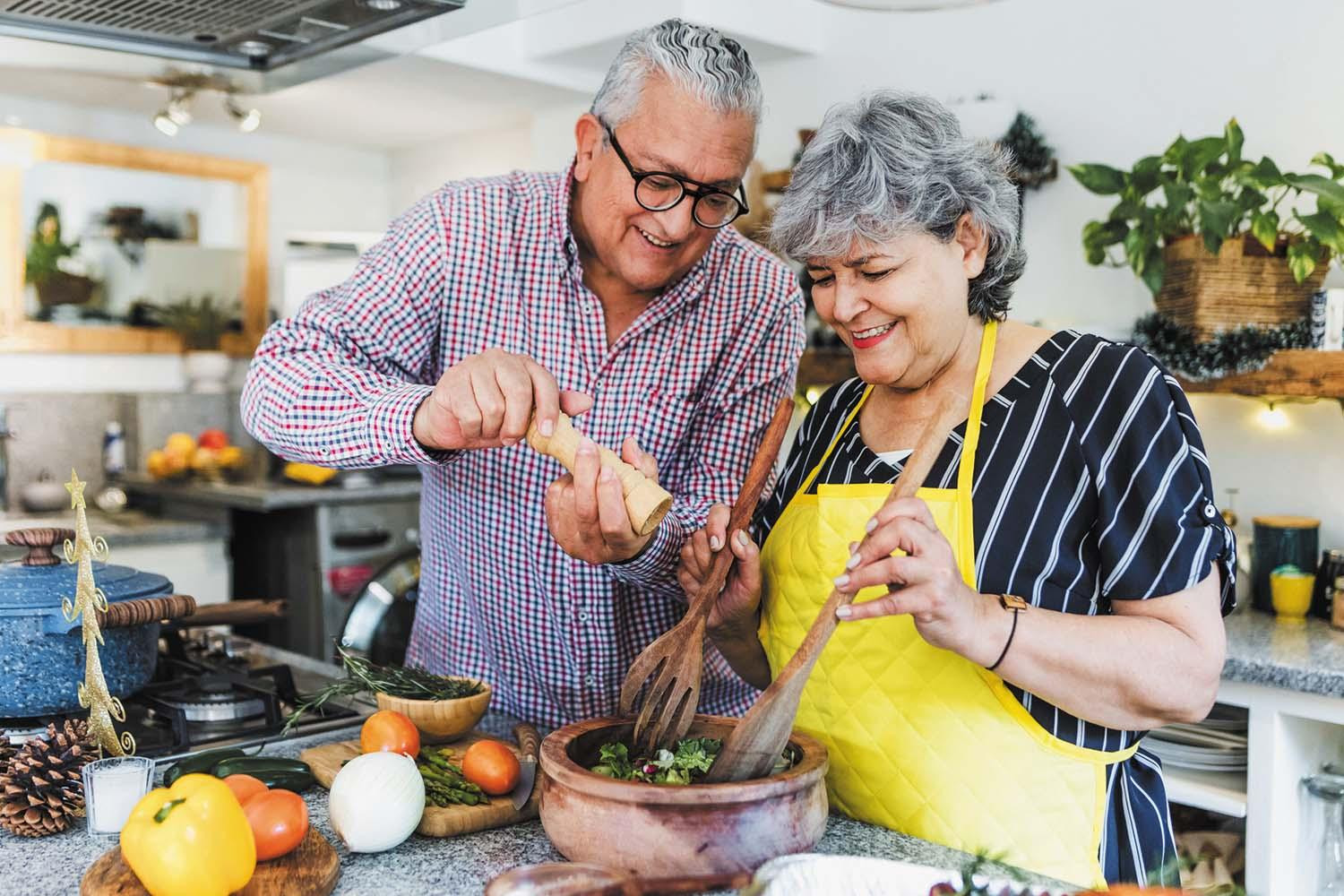
6 new terms for healthy eating
The trend toward eating plant-rich diets has led to a number of new dietary terms and buzzwords. Examples include the terms "plant-forward," which describes the shift toward the gradual incorporation of more plant foods into the diet; "plant-based protein," used for foods that contain a high amount of protein, even some processed foods; and "sustainable eating," whichrefers to the big picture of food choices and how they can help sustain the environment, the planet, and health.
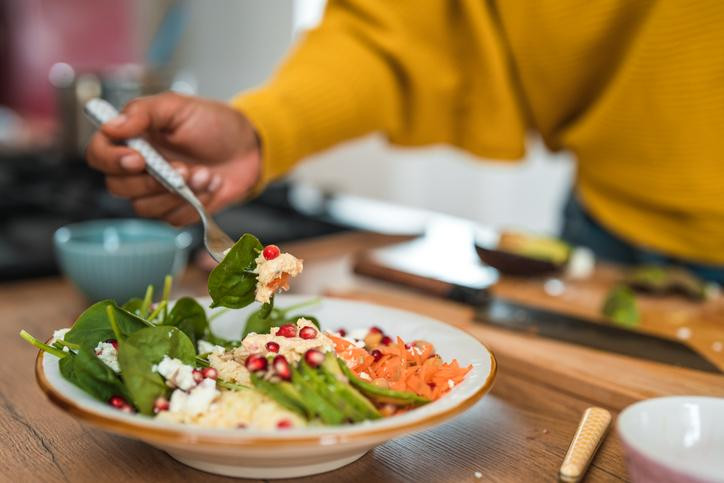
Mediterranean and plant-based diets might keep you regular
A 2025 Harvard study found that people who most closely adhered to a Mediterranean or a plant-based diet had up to a 20% lower risk for chronic constipation, compared with people who followed other eating patterns.
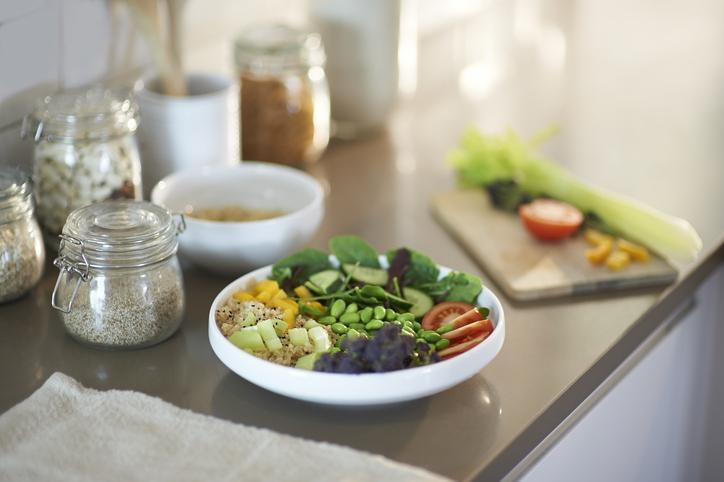
Plant-based diets may help lower the risk of chronic constipation
Eating a plant-based diet may help people lower their risk for chronic constipation, according to a 2025 study. This effect may be due, at least in part, to the high fiber content of plant-based diets.
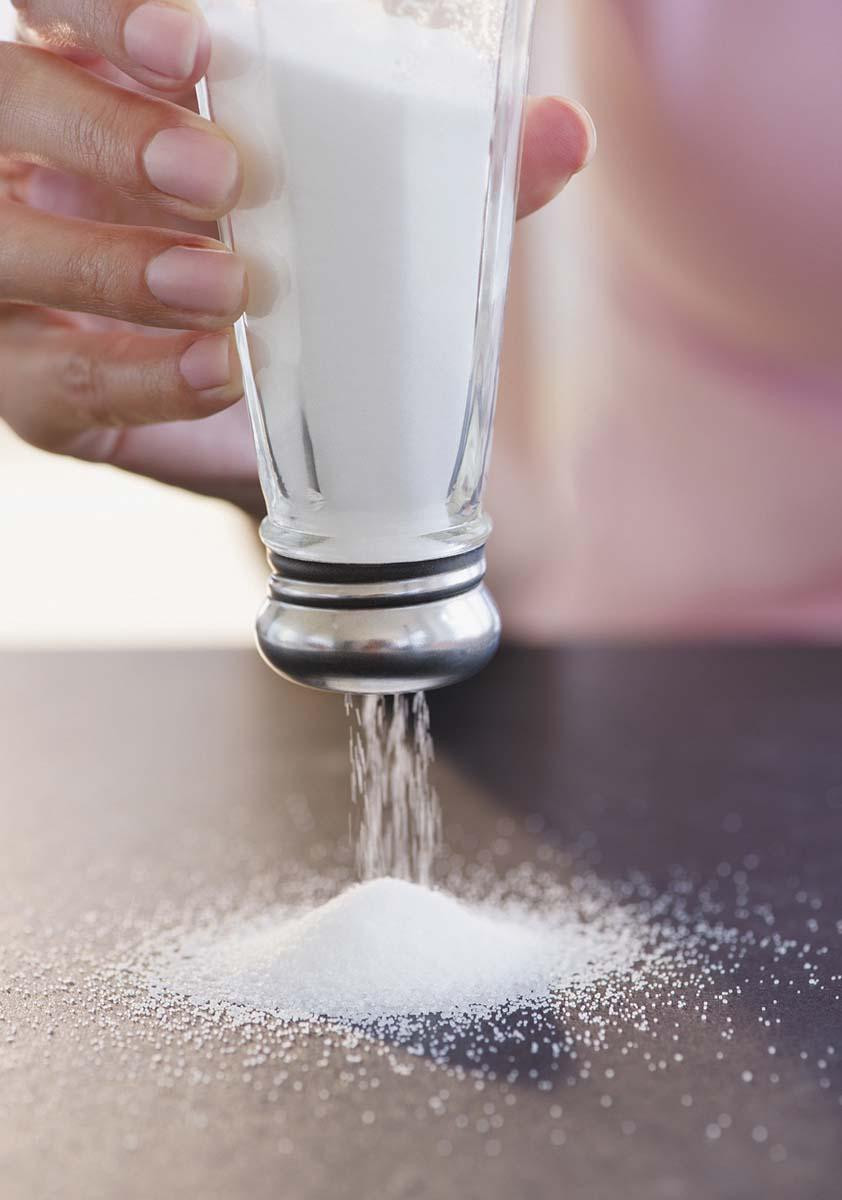
Shake the salt habit
Salt intake fuels high blood pressure, which is the top risk factor for cardiovascular disease. Sodium is hidden in many everyday foods, including bread, sauces, condiments, cereal, rice, pasta, and processed items such as canned soups, deli meats, and frozen meals. People can cut back on salt by reading food labels, rinsing canned goods, cooking at home more often, and using other seasonings instead.

Olive oil may reduce breast cancer risk
A 2025 study suggests that consuming more olive oil may lower women's risk of developing breast cancer, especially certain more aggressive types.
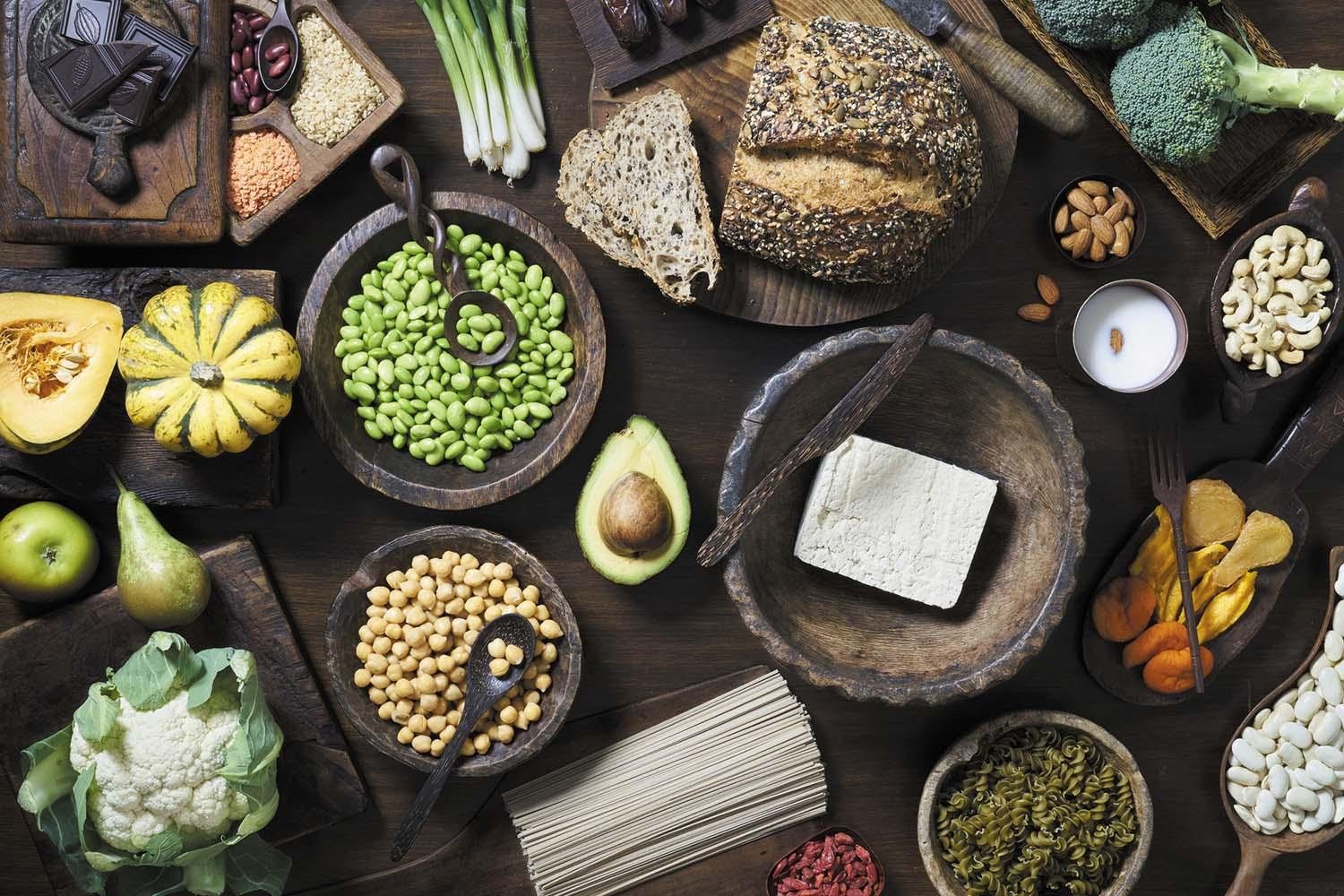
High-quality carbohydrates in midlife may keep women healthier as they age
A 2025 study suggests that women who eat more high-quality carbohydrates-which include whole grains, fruits, vegetables, and legumes-in their 40s and 50s are more likely to age healthfully.
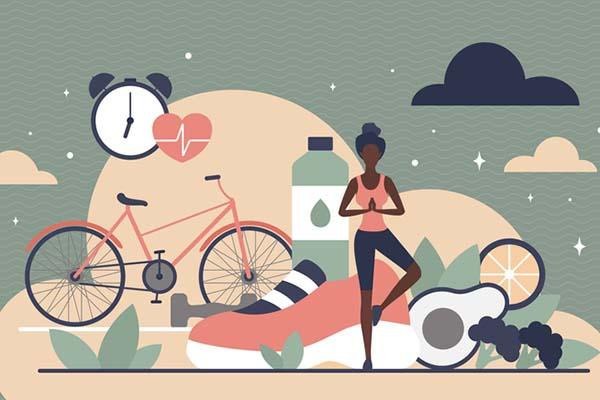
5 timeless habits for better health
Influencers, news headlines, and well-meaning friends and family offer conflicting advice on wellness. Quick fixes and fads may do little for our health, and some even prove harmful. Try to work these five simple habits that can boost health and wellness into your everyday life.
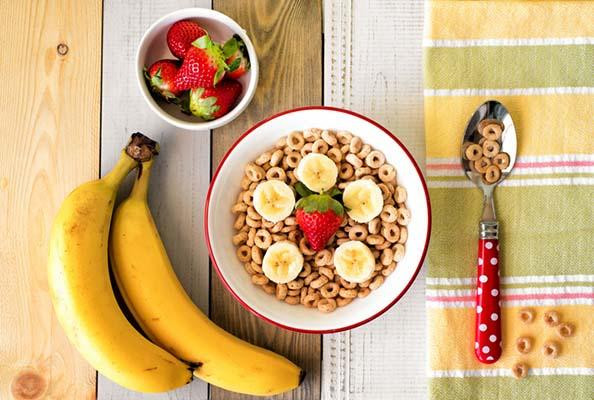
Is your breakfast cereal healthy?
In the US, more than a quarter of children and adolescents have ready-to-eat cereal for breakfast most days of the week. Advertising touts cereal as a healthy choice, but a recent study disputes this.
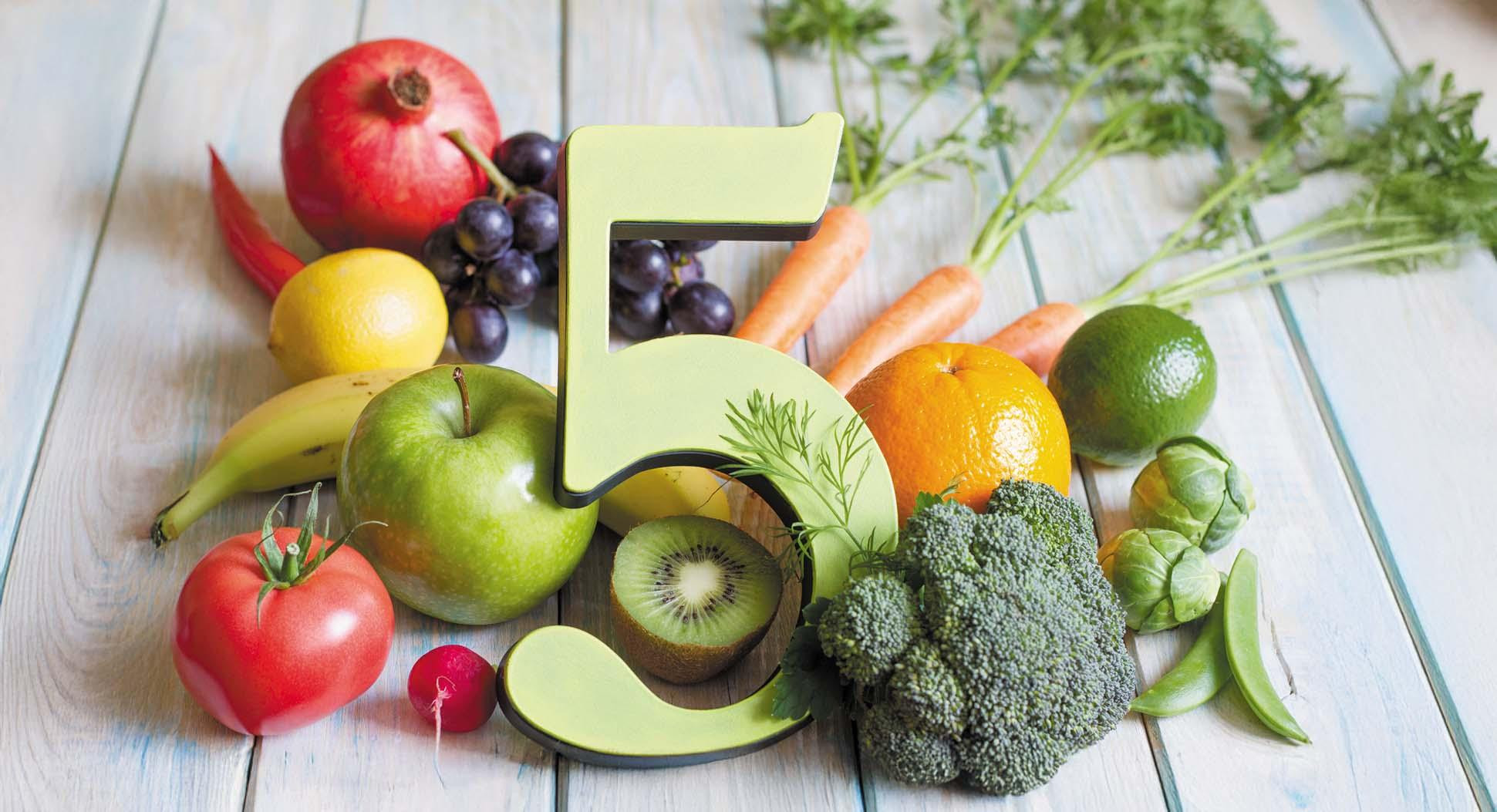
A 5-step plan to eat more produce
Few people get the recommended two fruits and three vegetables per day. Tips for helping people add more produce into their diets include starting small (making just one minor addition or substitution at a time and sticking with it for several weeks); choosing smarter snacks (like hummus and carrots or apples and peanut butter); sneaking pureed vegetables into pasta and other dishes; making smoothies and soups; and relying on frozen fruits and vegetables.
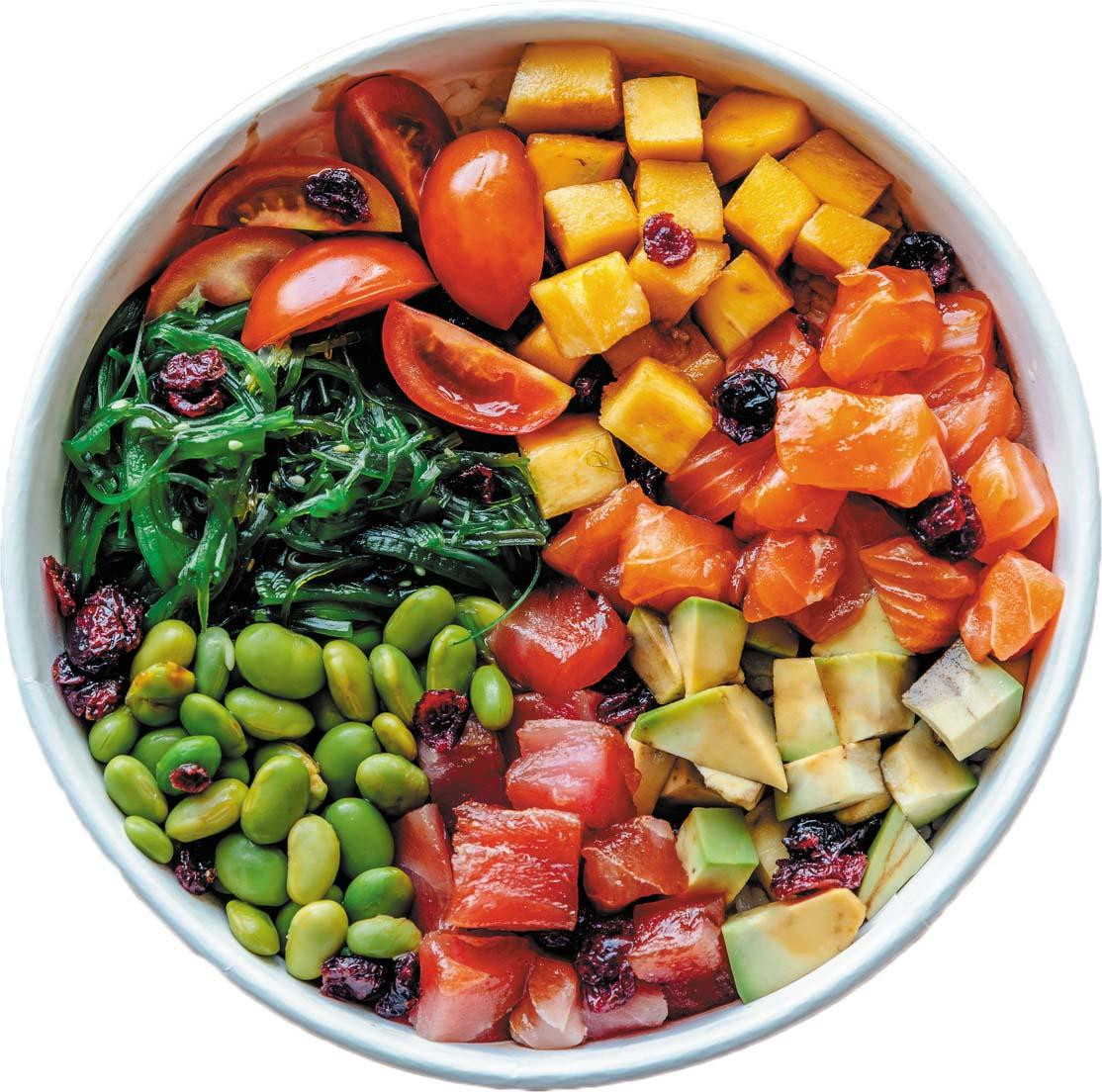
Aim for quantity and variety in fruit and vegetable intake
A 2025 study that involved 125,000 people (ages 40 to 69), who were followed for about a decade, found that both the quantity and variety of flavonoid intake were linked with significantly reduced risks of chronic disease and death from any cause.
Whole grains may improve several heart risk factors at once
Light exposure at night may raise risk for heart disease
Children of centenarians may stay healthier and live longer too, study finds
A lumbar belt may help ease low back pain
Signs of pneumonia: Sometimes vague and unexpected
Using a vibration plate: What it can — and can't — do for your body
The surprising link between ovarian cancer and the fallopian tubes
People who walk more or walk faster live longer, study finds
Rosacea treatments: What works?
For sleep apnea, a dental device may be as effective as CPAP
Free Healthbeat Signup
Get the latest in health news delivered to your inbox!
Sign Up
